
Perm with Taper Haircut: Curly Looks & Care
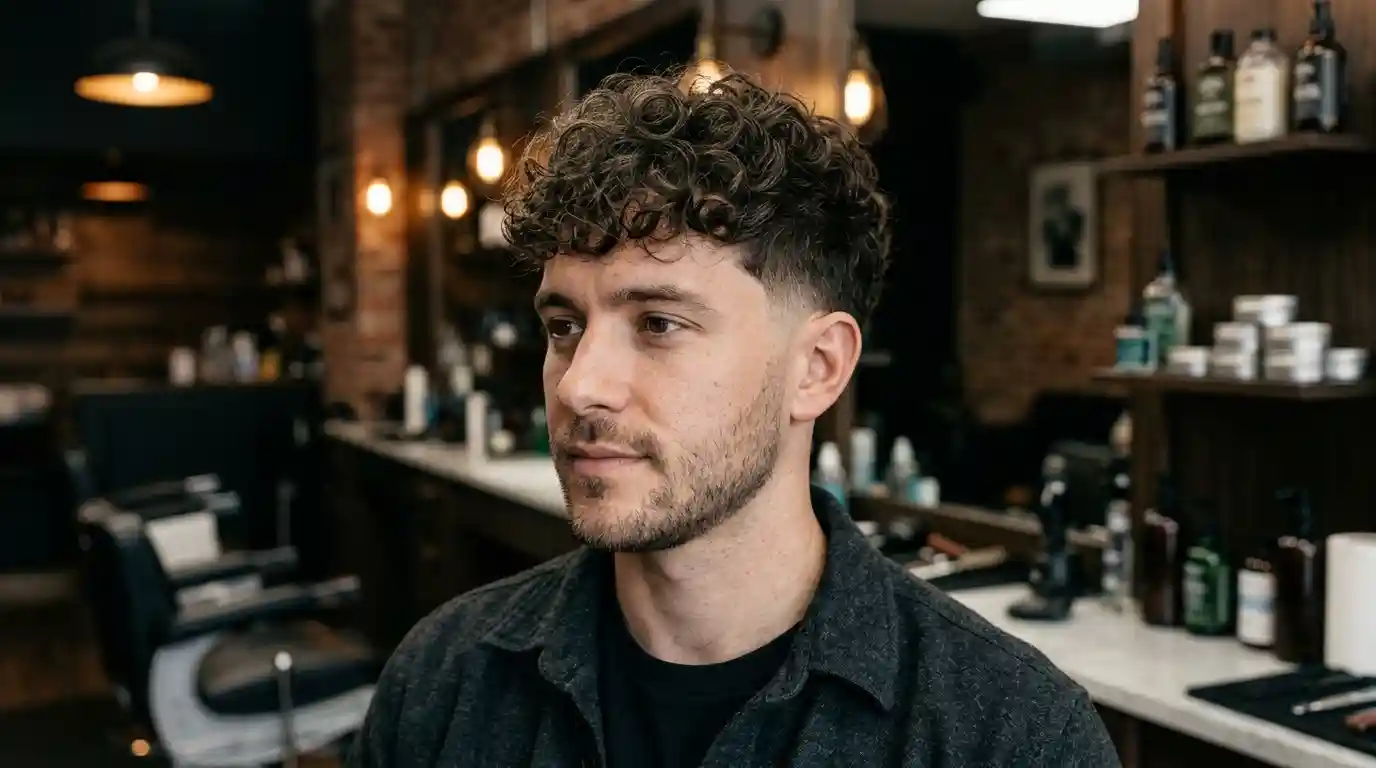
A taper haircut perm combines the clean, gradually shortened sides of a taper haircut with chemically created curls or waves on top. Whether you want soft Korean-inspired curtains, loose beach waves, a textured curly fringe, or tight spiral curls, this hairstyle adds movement and volume while keeping the temples, sideburns, and neckline neat. A low taper perm delivers a subtle, natural appearance, while mid and high taper variations create stronger contrast between the curly top and shorter sides.
The best perm with taper haircut depends on your natural hair texture, hair length, curl pattern, and the condition of your hair before chemical processing. Straight hair can gain lasting waves, fine hair may appear fuller with suitable curl placement, and thick hair can be shaped into defined curls with carefully controlled volume. However, perming requires professional assessment, appropriate chemical processing, and consistent aftercare.
This complete guide explores 60+ perm taper hairstyle variations, different perm techniques, rod sizes, hair-length requirements, before-and-after results, U.S. salon costs, styling products, potential risks, and maintenance routines to help you choose a look that suits your hair and lifestyle.
Table of Contents
- Taper Haircut Perm: Quick Overview
- Types of Perms for Men with Taper Haircuts
- Top-Only vs. Partial vs. Full-Head Perm with Taper
- Best Taper Haircut Perm Styles for Men
- Modern Taper Haircut Perm Styles for Women
- Taper Haircut Perm: Front, Side, and Back Views
- Taper Haircut Perm: Before and After Results
- Loose vs. Tight Perm Results by Hair Length
- How to Choose the Right Taper Haircut Perm
- Pre-Perm Hair Health Tests and Chemical Compatibility
- How to Ask Your Barber or Stylist for a Taper Haircut Perm
- How Is a Taper Haircut Perm Done?
- How Much Does a Taper Haircut Perm Cost in the USA?
- How Long Does a Taper Haircut Perm Last?
- How to Care for a New Taper Haircut Perm
- Taper Haircut Perm Maintenance Calendar
- How to Style a Perm with a Low Taper at Home
- Best Styling Products for Perm Taper Haircuts
- How to Protect Your Taper Perm During Daily Activities
- How to Fix an Unsatisfactory Taper Haircut Perm
- Risks, Hair Damage, and Common Perm Mistakes
- Taper Haircut Perm vs. Similar Hairstyles
- Alternatives to a Chemical Perm with Taper
- Frequently Asked Questions About Taper Haircut Perms
- Final Thoughts: Choosing the Best Taper Haircut Perm
Taper Haircut Perm: Quick Overview
What Is a Taper Haircut Perm?
A taper haircut perm is a hairstyle that combines a permanent wave treatment with a tapered haircut. The perm chemically reshapes selected hair sections into curls or waves, while the taper gradually shortens the hair around the temples, sideburns, and neckline.
The most common version features curled hair on top with a low taper around the lower sides. However, the haircut can also include a mid taper, high taper, shadow fade, or skin-close transition.
The longer top creates visible curl volume, while the shorter sides maintain a controlled silhouette.
Unlike naturally curly hair, permed hair receives its wave pattern through chemical treatment. The treatment changes the structure of the processed hair shaft, allowing it to retain a new shape after the perm is completed.
If you enjoy comparing modern men’s hairstyles, Taper Haircut Hub features additional taper variations and styling ideas.
How Does a Perm Work with a Taper Haircut?
A perm uses chemical restructuring to change the hair’s existing shape.
Hair contains keratin proteins supported by chemical bonds, including disulfide bonds, that contribute to its structure. Traditional permanent waving solutions reduce some of these bonds, allowing the hair to be reshaped around perm rods.
A neutralizing stage then helps reform bonds while the hair remains in its new configuration.
The taper haircut works independently of this chemical process. Clippers and scissors shorten the sides and neckline, creating a graduated blend between the longer permed hair and shorter sections.
This combination makes the upper curls appear more prominent without requiring the sides to remain equally long.
Why Are Perm Taper Haircuts Popular?
Perm taper haircuts are popular because they combine textured volume with clean barbering.
Men with naturally straight or flat hair can use a professionally performed perm to create waves or curls that would otherwise require frequent heat styling.
Korean curtain perms, loose wave perms, and textured curly tops offer different levels of volume and definition.
Another benefit is styling flexibility. A soft body wave can look understated, while a tightly curled top with a skin taper creates a bolder appearance.
The haircut can also be adjusted for different hair lengths, facial proportions, and styling preferences.
Benefits and Drawbacks of Getting a Perm with a Taper
| Benefits | Drawbacks |
| Adds curls or waves to suitable straight hair | Chemical processing can damage hair |
| Creates volume and texture | Professional services can be expensive |
| Reduces the need to create curls daily | New straight growth eventually becomes visible |
| Works with different taper heights | Requires curl-specific maintenance |
| Offers natural and high-contrast styles | Results vary with hair condition and texture |
| Can make certain styling routines easier | Chemical retouching requires caution |
| Provides a range of modern looks | Not suitable for all damaged or chemically treated hair |
A perm is not automatically a low-maintenance solution. Although the curl pattern lasts beyond a single styling session, the treated hair still needs appropriate washing, conditioning, drying, and trimming.
Taper Haircut Perm Styles at a Glance
Compare Styles by Curl Pattern, Taper Height, Hair Length, and Maintenance
| Hairstyle | Curl pattern | Taper height | Suggested top length | Daily styling |
| Classic low taper perm | Loose to medium curls | Low | 3–5 inches | Low–medium |
| Korean curtain perm | Soft C-shaped waves | Low | 4–6 inches | Medium |
| Body wave taper | Loose waves | Low to mid | 4–6 inches | Low |
| Spiral perm taper | Defined ringlets | Mid | 4–7 inches | Medium |
| Broccoli perm taper | Compact curls | Low to mid | 3–5 inches | Medium |
| Curly crop perm | Short, defined curls | Low | 2.5–4 inches | Low–medium |
| Textured perm fade | Irregular curls | Mid | 3–5 inches | Medium |
| Long permed flow | Loose to medium curls | Low | 5–8 inches | Medium |
Lengths are approximate starting points measured before the full visual effect of the perm. Finished curls may appear shorter because of their shape and spring.
Best Picks for Loose Waves, Tight Curls, Korean Perms, and Natural-Looking Styles
For an understated hairstyle, choose a body wave perm with a low taper. It creates soft movement while retaining a natural-looking finish.
A Korean curtain perm works well for medium-length hair and a center-parted fringe.
For stronger texture, consider a spiral perm or defined curl perm with a mid taper.
Men who prefer a short, structured appearance may like a curly crop perm or broccoli-style haircut.
The most suitable option should always account for your hair’s existing condition and ability to tolerate chemical processing.
Types of Perms for Men with Taper Haircuts
Understanding perm techniques is essential because the word “perm” does not describe a single chemical formula or curl pattern.
Different treatments use different chemicals, temperatures, rod arrangements, and processing methods.
Cold Perm vs. Hot Perm
Cold perms generally use chemical processing without the heated rods associated with digital or hot perm services.
Hot perm techniques combine specialized solutions with controlled heat to influence the finished curl pattern.
Neither approach is universally better. Hair condition, desired shape, available length, and stylist expertise determine which is appropriate.
Traditional Cold and Setting Perms
A traditional cold perm typically involves wrapping hair around rods, applying a compatible waving solution, and neutralizing the new shape.
The treatment can create loose waves or tighter curls depending on rod size, wrapping technique, and hair characteristics.
This approach is commonly used for shorter men’s hairstyles.
Single-Action Perms
Single-action perm formulations use a particular processing system intended to create a permanent wave according to the manufacturer’s instructions.
The term is not a universal guarantee of gentleness or compatibility.
A stylist must assess the formula, pH, hair history, and processing requirements rather than selecting it solely by the marketing name.
Digital Perm
A digital perm uses specialized heated rods and controlled temperature equipment alongside a compatible chemical process.
It is often associated with softer, flowing curls that become more visually defined as the hair dries, although results vary.
Digital perms generally require sufficient length for proper wrapping and are not appropriate for every hair condition.
Japanese Air Wave Perm
Japanese air wave techniques use specialized equipment and controlled airflow during the setting process.
They are often requested for lightweight movement and natural-looking waves.
Because the equipment and chemical systems vary, choose a stylist specifically trained in the method.
Loose Wave and Body Perms
Loose wave perms emphasize movement rather than tightly defined ringlets.
They are popular among men who want additional volume without dramatically changing the haircut’s overall silhouette.
Body Wave Perm
A body wave perm creates broad bends that give the hair movement and an appearance of fullness.
It works particularly well with a low taper because the softly waved top contrasts naturally with the shorter sides.
The final effect is usually less tightly curled than a spiral perm.
Beach Wave Perm
A beach wave perm creates relaxed, irregular-looking waves similar to naturally tousled hair.
The hairstyle pairs well with medium-length textured tapers.
A lightweight styling cream can enhance the waves without creating an overly polished finish.
Soft Wave Perm
A soft wave perm introduces gentle curvature through the hair.
It is suitable for someone who prefers minimal curl definition and a natural-looking finish.
The stylist should assess whether the hair can hold the intended wave pattern without excessive chemical processing.
Korean and Japanese Perm Techniques
Korean-inspired hairstyles frequently emphasize controlled fringe movement, curved ends, and soft volume.
These styles can be paired with subtle taper haircuts to keep the sides neat.
Korean C-Curl Perm
A C-curl perm creates a gentle inward or outward curve near the hair ends.
It works especially well for medium-length fringes and curtain hairstyles.
The result is usually softer than a full-head spiral perm.
Korean Regent Perm
A Korean Regent perm is commonly associated with controlled top volume and a lifted, backward-directed fringe.
The sides may be tapered or cut into a shorter two-block-inspired shape.
It suits individuals who want a polished hairstyle with a structured front.
Korean Digital Perm
A Korean digital perm uses a digital hot-perm approach to create flowing curls or waves.
The hairstyle can be combined with a low taper for a modern, balanced appearance.
The outcome depends on rod arrangement, the chemical system, and the hair’s condition.
Spiral and Defined Curl Perms
Defined curl perms produce more visible ringlets and stronger texture than loose wave treatments.
They often require additional length because the hair appears shorter once curled.
Tight Curl Perm
A tight curl perm uses suitable rods and wrapping techniques to create compact curls.
The result can add substantial visual volume to the top.
A mid taper helps control side bulk while allowing the curls to remain prominent.
Spiral Perm
A spiral perm creates elongated ringlets that follow the hair’s length.
This technique is more suitable for hair long enough to wrap properly around the selected rods.
The result can be particularly striking with a low taper and longer fringe.
Twist Perm
Twist-perm methods aim to create curls or textured shapes using twisting and winding techniques.
The resulting pattern depends on hair type and the stylist’s chosen process.
It is important to distinguish a chemically created twist pattern from temporary twists styled without a perm.
Pin Curl Perm
Pin-curl-inspired permanent styles create rounded curls with a controlled shape.
They can be incorporated into medium-length hairstyles, although the exact method depends on the salon’s technique.
A tapered neckline gives the style a cleaner finish.
Afro-Style Perm
An Afro-style perm aims to create dense, compact-looking curls and rounded volume.
The term describes an aesthetic rather than one standardized chemical treatment.
Naturally coily hair may already have the desired texture and may not require perming. Previously relaxed hair also needs careful professional evaluation because overlapping chemical treatments can cause breakage.
Root and Volume-Enhancing Perms
Not every perm must reshape the entire top length.
Partial treatments can focus on specific areas where additional lift or movement is wanted.
Root Perm
A root perm targets hair near the roots to create additional lift.
It is sometimes requested for flat hair that lacks crown volume.
The stylist must carefully consider scalp proximity, hair condition, and the product’s intended application.
Spot Perm
A spot perm treats selected sections rather than the entire head.
It can be useful for creating movement in the fringe or balancing areas that do not naturally bend in the desired direction.
Stack Perm
A stack perm uses specific wrapping arrangements to create volume or curl distribution through selected lengths.
It is generally more relevant to longer or layered hair.
The resulting shape should complement the taper rather than creating excessive bulk above the ears.
Understanding Perm Rod Sizes and Curl Patterns
Rod size is one factor that determines the finished curl shape, but it is not the only one.
Small vs. Medium vs. Large Perm Rods
| Rod category | Intended appearance | Typical styling goal |
| Small rods | Compact, more defined curls | Tight curls and ringlets |
| Medium rods | Moderate curls | Balanced volume and definition |
| Large rods | Broader bends or waves | Soft, flowing movement |
Rod dimensions are not standardized across every perm system. A stylist should select rods that work with the hair’s length, wrapping method, and chemical formula.
How Rod Size Affects Curl Tightness and Volume
Smaller rods generally produce tighter curls, provided the hair is suitable and the process is successful.
Larger rods tend to create broader curl diameters.
The finished result also depends on hair elasticity, density, processing time, and the amount of hair wrapped around each rod.
Choosing Between Loose Waves and Defined Curls
Choose loose waves if you want flexible movement and a softer appearance.
Defined curls are more suitable for a textured, voluminous top.
Consider how much visual shortening you are comfortable with before selecting tight spirals.
Why the Same Perm Looks Different on Different Hair Types
Two people can receive similar perm services and still have noticeably different results.
Hair diameter, density, porosity, previous chemical treatments, and natural texture influence curl formation.
This is why professional consultation is more reliable than copying a celebrity reference photo without considering your hair.

Top-Only vs. Partial vs. Full-Head Perm with Taper
Choosing which hair sections receive treatment is as important as selecting the curl pattern.
Top-Only Perm with Tapered Sides
A top-only perm chemically treats the longer upper hair while leaving the short sides untreated.
This is one of the most practical combinations for a classic perm taper haircut.
Because the taper removes much of the side length, perming those short areas may be unnecessary.
Fringe-Only Perm for Added Texture
A fringe-only perm targets the front hair to create movement near the forehead.
It can work well when the rest of the hair already has sufficient natural texture.
The stylist should ensure the treated fringe connects naturally with the untreated crown.
Crown and Top Perm for More Volume
A crown-focused perm aims to create lift across the upper head.
It may help hair that sits flat, but it should not be used to disguise underlying hair loss without a proper assessment.
Bottom-Half Perm for Movement and Flow
A bottom-half perm focuses on lower lengths or ends rather than the entire root-to-tip section.
It is more suitable for medium or long hair.
The technique can produce movement through a layered hairstyle while keeping the roots comparatively smooth.
Full-Head Perm with Tapered Temples
A full-head perm treats most of the available hair before or alongside a tapered haircut.
It can create a more uniform curl pattern, although extremely short temple sections may be excluded from processing.
Choosing Perm Placement Based on Your Haircut
For a short curly top, top-only treatment is often a logical option.
A curtain hairstyle may benefit from targeted fringe or top processing.
Longer flow hairstyles may require more extensive treatment to produce consistent movement.
Your stylist should confirm the treatment area before applying chemicals.
Best Taper Haircut Perm Styles for Men
A perm can be combined with numerous taper heights, fringe shapes, and hair lengths.
The following styles offer inspiration for classic, textured, polished, and unconventional looks.
Low, Mid, and High Taper Perm Hairstyles
Classic Perm with Taper
The classic perm taper features naturally shaped curls on top and gradual shortening around the temples and neckline.
It provides a balanced appearance without requiring an aggressive fade.
Medium curls are particularly suitable for this style because they offer definition while retaining movement.
Low Taper Perm Haircut
A low taper perm concentrates the shortest cutting area close to the sideburns and lower hairline.
Most of the hair above the ears retains its weight, allowing the curls to create a fuller silhouette.
This is a strong choice for beginners who want a subtle, modern result.
Mid Taper Perm Haircut
A mid taper perm begins the graduated blend higher around the temples.
It creates more contrast between the permed top and shorter sides.
The style works well with medium curls, textured fringes, and compact spiral patterns.
High Taper Perm Haircut
A high taper perm introduces a shorter transition near the upper temples.
This emphasizes the curl volume at the crown.
For a different hairstyle emphasizing vertical volume without relying on a perm, explore the high top taper haircut.
Low Taper Fade Perm
A low taper fade perm creates a sharper lower transition while preserving the longer curly top.
The barber may use very short guards around the sideburns while maintaining enough upper-side weight to support the curls.
Skin Taper Perm
A skin taper perm features a nearly bare or skin-close lower transition.
The contrast makes the permed top more noticeable.
People prone to irritation or razor bumps should discuss less aggressive clipper options with their barber.
Shadow Taper Perm
A shadow taper leaves visible stubble in the shortest sections instead of fading completely into bare skin.
It produces a softer, more natural finish and may show less dramatic regrowth than a skin-close taper.
Soft Volume Perm with Side Taper
This style emphasizes gentle root lift rather than tight ringlets.
A subtle side taper keeps the silhouette neat while allowing the top to appear airy.
It works particularly well for medium-length hair and understated grooming.
Loose and Wavy Perm Taper Styles
Loose Wave Perm with Low Taper
A loose wave perm creates gentle bends through the top while keeping the lower sides clean.
It is suitable for straight hair that needs movement without dramatic curls.
Body Wave Perm with Taper
The body wave taper features broader waves and a natural-looking finish.
It can create the appearance of fuller hair through the crown.
A lightweight mousse helps maintain volume without weighing down the waves.
Beach Wave Perm with Taper Fade
This style combines irregular, beach-inspired waves with a neat taper fade.
The top looks relaxed rather than precisely curled.
Use a small amount of suitable styling cream to control flyaways.
Soft Natural-Looking Perm with Taper
A soft perm aims to create movement that resembles naturally wavy hair.
The stylist should select rod sizes and placement based on hair length rather than promising an identical result to a reference photo.
Tousled Wavy Perm with Taper
The tousled version emphasizes intentional irregularity.
Different sections appear slightly separated, creating a casual, textured appearance.
For similar non-permed haircut inspiration, compare the messy taper haircut.
Natural Flow Perm with Low Taper
A natural flow perm features longer waves moving backward or outward from the forehead.
The low taper prevents excessive side bulk.
For a related style that relies on natural hair movement, see the Flow Taper Haircut.
Korean and Middle Part Perm Taper Styles
Korean Wave Perm with Low Taper
A Korean wave perm creates gentle movement in the fringe and crown.
A low taper provides clean edges without overwhelming the soft upper shape.
Korean Perm with Taper Fade
This version combines Korean-inspired texture with a more noticeable side transition.
The upper hair may be styled into soft waves, controlled volume, or a loose curtain shape.
Middle Part Perm with Low Taper
A middle part perm divides the fringe near the center, allowing the treated hair to flow toward either side.
The low taper preserves balance around the temples.
For haircut variations with a similar center-parted appearance but no chemical treatment, explore the middle part taper haircut.
Curtain Perm with Taper
A curtain perm creates two longer front sections that frame the forehead.
The hair may form soft C-shaped bends or loose waves depending on the technique.
A subtle taper keeps attention on the fringe.
Side-Part Perm with Taper
A side-part perm introduces asymmetrical volume.
The longer section flows across the forehead or backward.
If you prefer the same direction without chemical curls, the Comb Over Taper Haircut offers a traditional alternative.
Korean C-Curl Curtain Perm
This variation uses a gentle end curl to shape the curtains.
The resulting fringe appears polished and controlled instead of tightly curled.
It is well suited to medium-length hair with enough length for curved ends.
Digital Perm with Curtain Fringe
A digital curtain perm uses a compatible hot-perm method to create soft waves through the longer front sections.
It is most suitable when the hair has sufficient length and is healthy enough for the selected treatment.
K-Pop Inspired Voluminous Perm Taper
This hairstyle emphasizes lifted roots, soft curls, and a carefully shaped fringe.
A clean low taper balances the upper volume.
The final look may resemble Korean two-block hairstyles when more length is retained around the crown.
Curly and High-Texture Perm Taper Styles
Defined Curl Perm with Low Taper
This haircut features clearly separated curls across the top and a soft lower taper.
The contrast emphasizes curl definition while retaining enough side weight for balance.
Tight Curl Perm with Taper Fade
A tight curl perm creates compact ringlets with visible volume.
A mid taper fade can make the upper curls more prominent.
Allow for significant visual shortening when planning the fringe length.
Spiral Curl Perm with Taper
A spiral curl perm creates elongated ringlets.
It works best when there is sufficient length for the selected wrapping method.
The taper controls the sides while the ringlets provide movement.
Curly Crop Perm with Low Taper
A curly crop perm combines a shorter textured top with a subtle low taper.
It offers a compact appearance and can be easier to style than longer spiral curls.
Broccoli Perm with Low Taper
The broccoli perm features a dense, rounded curly top over relatively short sides.
A low taper softens the contrast around the ears.
Avoid excessive crown layering if the desired appearance is full and rounded.
Curly Blowout Perm with Taper
This style emphasizes broad curl volume and root lift.
The hair appears airy rather than tightly compressed.
For more volume-focused inspiration without a chemical perm, compare the Blowout Taper Haircut.
Textured Curly Perm with Taper
A textured curly perm combines irregular curl movement with a gradual side blend.
The hairstyle is intentionally less uniform than a tightly arranged spiral perm.
Afro-Style Perm with Taper
This variation emphasizes compact curls and rounded top volume.
The treatment should be tailored to the client’s natural texture and chemical history.
Naturally coily hair may already produce a similar silhouette with the right haircut and styling.
Hybrid Multi-Texture Perm with Taper
A hybrid perm combines different wave or curl patterns within the hairstyle.
For example, the fringe might have looser waves while the crown shows more defined curls.
Because the treatment is more complicated, choose a stylist experienced with controlled curl placement.
Messy, Textured, and Layered Perm Hairstyles
Messy Perm with Low Taper
The messy perm features tousled curls and a soft lower taper.
It works well for someone who wants a casual appearance without carefully separating every curl.
Textured Perm with Taper Fade
This style combines irregular curl definition with a sharper side fade.
The contrast creates a modern appearance.
A small amount of lightweight styling paste can define individual sections.
Shaggy Perm with Taper
A shaggy perm uses longer layers through the top and back.
The taper prevents the lower sides from appearing too bulky.
It is particularly suitable for medium-length hair.
Layered Perm with Taper
A layered perm uses different top lengths to distribute curl volume.
Careful layering helps avoid a heavy, rounded shape when the wearer prefers natural movement.
Permed Wolf Cut with Low Taper
A permed wolf cut combines shag-inspired layers, crown volume, and longer rear sections.
The low taper provides a neater temple shape.
It suits someone who wants an expressive haircut with visible movement.
Messy Fringe Perm with Taper
This variation emphasizes curls falling loosely across the forehead.
The taper maintains clean edges while the fringe provides texture.
For an alternative featuring a naturally textured forward fringe, explore the fringe taper haircut.
Wavy Perm with Textured Fringe
A wavy perm with a textured fringe creates subtle movement near the forehead.
It offers a less dramatic alternative to tight, curly bangs.
Clean and Polished Perm Taper Hairstyles
Slicked-Back Perm with Low Taper
This hairstyle directs longer curls backward with a suitable styling cream or flexible-hold product.
The low taper keeps the sides controlled.
Avoid forcing fragile curls into a rigid shape with excessive tension.
Comb-Over Perm with Taper
A comb-over perm places most of the top volume toward one side.
The waves or curls add texture while maintaining a formal silhouette.
Textured Quiff Perm with Taper
A quiff perm creates a lifted front section supported by soft curls.
The taper emphasizes the upper volume.
Lightweight mousse can help preserve root lift.
Curly Pompadour with Taper
A curly pompadour features substantial height at the front.
The curls are styled upward and backward, creating a dramatic profile.
This variation usually requires more daily styling than a natural loose wave.
Brushed-Back Curl Perm
A brushed-back perm directs curls away from the forehead while retaining their natural definition.
The result can look polished without requiring the hair to become completely straight.
Disconnected Perm with Taper
A disconnected perm features a pronounced contrast between the long curled top and short sides.
The transition is less gradual than a conventional taper.
It is suitable for someone seeking a bolder haircut.
Short, Medium, and Long Perm Taper Hairstyles
Short Hair Perm with Taper
A short perm taper features compact curls on a relatively short upper section.
The hair must still be long enough for the chosen perm rods and wrapping method.
If you prefer a very short hairstyle without chemical processing, consider the Buzz Taper Haircut.
Medium-Length Perm with Taper
Medium-length hair offers more styling flexibility.
Loose waves, spiral curls, curtain fringes, and textured tops can all be considered depending on hair condition.
Long Loose Perm with Taper Fade
This hairstyle retains long waves across the upper sections with shorter sides.
The length creates flowing movement and a more noticeable contrast.
Shoulder-Length Perm with Taper
A shoulder-length perm offers substantial movement through longer hair.
The taper can remain subtle around the sideburns and nape.
Long chemically treated hair may require additional conditioning and detangling.
Permed Mullet with Low Taper
A permed mullet features curls or waves through the crown and longer back.
The low taper keeps the sides tidy without removing the rear length.
For more examples of this silhouette, see the mullet taper haircut.
Permed Man Bun with Taper
A permed man bun combines longer treated hair with neat tapered edges.
Avoid tying freshly permed or fragile hair too tightly.
Loose styling helps reduce tension on the roots.
Mohawk Perm with Taper
A mohawk perm concentrates curly volume through the center of the head.
The tapered sides create contrast while retaining more hair than a fully shaved mohawk.
For a related shape without the chemical curl treatment, explore the fohawk taper haircut.
Creative and Specialty Perm Taper Hairstyles
Perm with Undercut
An undercut perm leaves the upper hair considerably longer than the sides.
The sharp contrast emphasizes curl volume.
Burst Fade Perm
A burst fade perm creates a curved fade around the ears while leaving curly volume on top.
The style can work particularly well with textured fringes and longer crown sections.
Perm with Shaved Hair Design
A shaved design introduces decorative lines or patterns within the tapered areas.
It creates a graphic contrast with the curls.
Avoid razor detailing on irritated or damaged skin.
Highlighted Perm with Taper
Highlights can make curl movement more visible.
However, combining bleaching and perming increases the risk of damage.
A qualified stylist should assess compatibility and avoid overlapping aggressive chemical treatments.
Perm with Beard Blend
A beard blend gradually connects the tapered sideburns with facial hair.
For a different clean taper-and-beard combination, explore the Drake Taper Haircut.
Perm for Older Men with Tapered Sides
A soft wave perm with a classic taper can provide subtle volume and movement.
Hair condition becomes especially important when the hair is fine, fragile, or thinning.
A conservative styling approach is often preferable to tight, heavily processed curls.
Modern Taper Haircut Perm Styles for Women
Perm taper hairstyles are not limited to men. Short feminine and gender-neutral haircuts can also combine chemical curls with neatly shortened sides or necklines.
Short Pixie Perm with Tapered Sides
A pixie perm adds texture and curl volume to a short layered top.
The tapered sides create a neat outline while preserving softness around the crown.
Curly Bixie Haircut with Nape Taper
A bixie combines elements of a bob and pixie.
Adding curls creates movement through the layers, while a tapered nape keeps the back controlled.
Soft Wave Perm with Tapered Neckline
This style uses gentle waves through a short or medium-length haircut.
The neckline remains subtly tapered, creating an understated appearance.
Textured Crop Perm with Low Taper
A cropped perm features a shorter curly top with a low taper.
The result is practical and can be styled with lightweight curl cream.
Choosing a Perm Taper for Different Hair Lengths
Short hair benefits from compact curls or subtle root movement.
Medium-length hair can support curtain waves and layered curls.
Longer hair allows more flowing styles but may require greater attention to conditioning and chemical compatibility.
Taper Haircut Perm: Front, Side, and Back Views
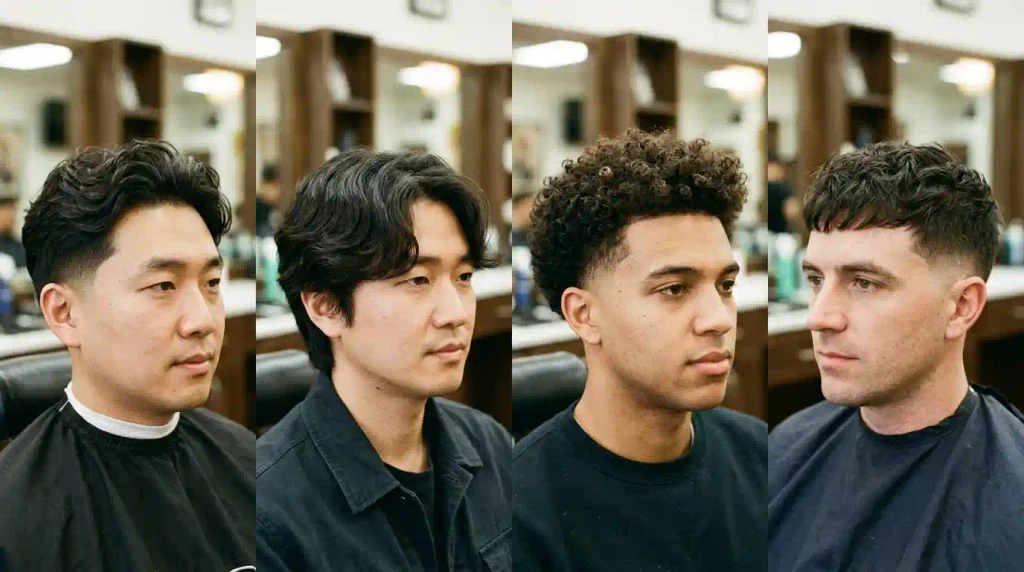
Multiple viewing angles are useful because a hairstyle can look very different depending on how the curl volume connects with the taper.
Front View: Curl Definition, Fringe, and Volume
The front view shows the fringe shape, curl diameter, forehead coverage, and root volume.
Loose waves create a softer silhouette, while tight curls produce a fuller, more rounded appearance.
Side View: Taper Placement and Curl Transition
The side view reveals the taper height and how the shorter hair blends into the treated top.
A low taper preserves more side weight, while a high taper exposes more of the temple region.
Back View: Crown Shape and Tapered Neckline
The back view highlights crown volume and neckline definition.
A smooth connection between the crown and lower hair prevents an unwanted disconnected appearance.
Comparing Low, Mid, and High Taper Perms from Different Angles
A low taper appears subtle and generally preserves more hair above the ears.
A mid taper introduces clearer contrast around the sides.
A high taper emphasizes the upper curls but may require more frequent cleanup to maintain the look.

Taper Haircut Perm: Before and After Results
Before-and-after comparisons help establish realistic expectations for curl definition, visible length, and volume.
How Straight Hair Changes After a Perm
Straight hair can develop new waves or curls after a compatible permanent waving service.
The resulting texture may make the hair appear fuller and shorter.
However, a perm does not increase the number of hair follicles or permanently change the texture of new growth.
Before and After a Loose Wave Perm
Before treatment, straight hair may fall flat against the head.
After a successful loose wave perm, the hair may have broader bends, increased visual movement, and a softer fringe.
The degree of volume depends on density, length, and the chosen technique.
Before and After a Tight Curl Perm
A tight curl perm creates more compact curls and usually produces greater visual shortening than loose waves.
The hair can appear significantly fuller around the crown.
A well-balanced taper prevents the additional upper volume from making the sides look excessively wide.
How a Taper Changes the Finished Perm Shape
Without a taper, the permed hair may create volume across the entire head.
Adding shorter sides concentrates the visual emphasis on the top and fringe.
The result is a cleaner haircut silhouette without changing the curl pattern itself.
What Results Are Realistic for Your Natural Hair Type
Fine hair may gain texture but can still lack the density of thick hair.
Coarse hair may respond differently to a treatment than fine straight hair.
Previously colored or damaged hair may not be suitable for perming at all.
Professional assessment helps establish realistic expectations.
How to Use Reference Photos to Visualize Your Perm
Bring photographs showing hair texture and length similar to yours.
Use separate images to communicate curl pattern and taper height if necessary.
Do not expect a specific celebrity’s hair density, growth pattern, or curl arrangement to be reproduced exactly.
Loose vs. Tight Perm Results by Hair Length
Hair length influences how loose or tight curls appear after treatment.
How Loose Waves Look on 3–4 Inches of Hair
At three to four inches, loose waves may create visible movement without forming long flowing curls.
The fringe can appear slightly lifted or curved.
Very large rods may not be appropriate if there is insufficient length for proper wrapping.
Medium Curls on 4–6 Inches of Hair
Hair measuring four to six inches can support many medium curl patterns.
The finished appearance may include defined ringlets, a fuller crown, and a curly fringe.
The ideal rod size depends on the desired curl diameter and the hair’s suitability.
Tight Spiral Curls on Longer Hair
Longer hair provides more room for repeated spiral turns.
Tight curls can create considerable visual shortening.
A stylist should discuss where the fringe and back sections are expected to fall after drying.
Wet vs. Dry Curl Length Comparison
Wet curls may stretch under the weight of water.
As the hair dries, the curl shape can contract and create greater visible volume.
Avoid judging the final cut length solely while the hair is wet.
Visual Curl Pattern and Rod Size Comparison Chart
| Starting hair length | Desired result | General rod approach | Visual outcome |
| 3–4 inches | Soft waves | Suitable medium or larger rods | Gentle texture |
| 3–5 inches | Medium curls | Medium rods | Fuller curly top |
| 4–6 inches | Defined curls | Suitable smaller rods | Compact ringlets |
| 5–8 inches | Loose flow | Larger rods where compatible | Longer waves |
| 5–8 inches | Spiral curls | Spiral wrapping with appropriate rods | Defined ringlets |
These are illustrative styling combinations rather than guaranteed treatment specifications. Rod choice must follow the stylist’s technique and the product manufacturer’s instructions.
How to Choose the Right Taper Haircut Perm
The right perm should complement your hair’s current condition, density, length, and styling goals.
Choosing a Perm by Hair Type and Condition
Best Perm for Naturally Straight Hair
Straight hair may be a suitable starting point for loose waves, medium curls, or defined spirals if it is sufficiently healthy.
A strand assessment helps determine how the hair responds to the selected treatment.
Best Perm for Fine or Thin Hair
Fine hair can be especially vulnerable to chemical damage.
A soft body wave may create texture, but treatment suitability should be determined through professional assessment.
Avoid aggressive processing merely to make thin hair look thicker.
Best Perm for Thick and Coarse Hair
Thick hair can support a substantial curly top, but coarse hair may require specialized processing decisions.
The stylist must consider density, porosity, and chemical compatibility rather than assuming stronger chemicals are always necessary.
Best Perm for Naturally Wavy Hair
Naturally wavy hair may already provide the desired movement.
A perm may be considered when someone wants a different pattern, but additional chemical processing should offer a meaningful benefit.
Perms for Naturally Curly or Coily Hair
Naturally curly and coily hair often does not require a perm to achieve a textured taper.
Chemical restructuring may also interfere with the existing curl pattern.
Previously relaxed or chemically processed hair requires particular caution because further treatment can contribute to severe breakage.
Perms for Receding Hairlines
A perm may add texture to suitable hair, but it cannot reverse a receding hairline or restore lost density.
A textured fringe may help create a balanced appearance.
Anyone experiencing progressive hair loss should consider a dermatologist’s advice.
Perms for Previously Colored or Chemically Treated Hair
Bleached, relaxed, or repeatedly colored hair may be too fragile for another chemical service.
Some combinations require considerable separation or should not be performed at all.
A stylist must assess the complete chemical history before recommending treatment.
Best Perm Taper Haircuts by Face Shape
Oval Face Shape
Oval faces generally accommodate many curl patterns.
A medium curl perm with a low taper is a balanced starting option.
Round Face Shape
Additional top height and controlled side volume may create a more elongated appearance.
A mid taper with a lifted curly fringe can provide contrast.
Square Face Shape
Soft waves can complement a prominent jawline.
A textured curtain perm or medium curl top offers movement without excessive rigidity.
Rectangle or Oblong Face Shape
Longer faces may benefit from moderate crown volume and softer fringe coverage.
Avoid excessive vertical height if your goal is to create a more balanced appearance.
Heart-Shaped Face
A heart-shaped face often has a relatively wider forehead and narrower chin.
Curtain waves and a subtle low taper can provide balanced framing.
Diamond Face Shape
Diamond faces typically feature prominent cheekbones.
Soft side volume and face-framing curls may create a flattering shape.
How Much Hair Length Is Needed for a Perm with Taper?
Minimum Length for Short Hair Perms
Some short-hair techniques may be possible at approximately three inches, but the minimum depends on the rod system and wrapping method.
Very short hair may not provide enough length for a reliable perm.
Ideal Length for Loose Waves and Curtain Perms
Approximately four to six inches often provides useful styling flexibility for soft waves and curtain fringes.
Longer hair allows the waves to flow more naturally.
Hair Length Requirements for Tight and Spiral Curls
Tight curls may require sufficient length to wrap securely around smaller rods.
Spiral styles generally benefit from additional length.
How Curl Shrinkage Affects the Finished Hair Length
Permed curls can appear shorter because the hair bends into repeated curves.
The amount of visual shortening depends on curl diameter, strand length, and drying behavior.
Who Is a Good Candidate for a Perm?
A suitable candidate generally has hair in good condition, enough length for the desired technique, and realistic expectations.
The scalp should be healthy, and the treatment should be compatible with previous chemical services.
A qualified professional must make the final suitability assessment.
Pre-Perm Hair Health Tests and Chemical Compatibility
A perm changes the structure of the hair. Evaluating its condition before processing is one of the most important parts of achieving a satisfactory result.
Hair Porosity and Elasticity Assessment
Porosity describes how readily hair absorbs and retains moisture or chemical solutions.
Elasticity relates to how the hair stretches and returns toward its original condition.
Unusual brittleness, weakness, or excessive stretching may indicate damage.
A professional assessment helps determine whether the hair can tolerate additional processing.
Why a Professional Strand Test Matters
A strand test involves assessing a small section of hair according to the product manufacturer’s recommended procedure.
It can provide information about processing response, curl development, and potential damage.
A successful strand test does not guarantee that every part of the head will respond identically.
Product-Specific Allergy and Scalp Safety Checks
Before treatment, disclose known allergies, previous reactions, and scalp concerns.
Some products may require specific preliminary tests or precautions.
A skin patch test is not a substitute for a professional hair-condition assessment or a product-specific strand test. Follow the exact manufacturer’s instructions.
Perm Compatibility with Bleached, Colored, or Relaxed Hair
Previous chemical treatments can alter hair strength and porosity.
Bleaching and relaxing are particularly important to disclose.
Some chemical combinations may be incompatible, and a stylist may recommend postponing or avoiding the perm entirely.
When Hair Damage Makes a Perm Unsafe
Severely brittle hair, extensive breakage, gummy or unusually stretchy strands, and significant previous overprocessing are warning signs.
Further chemical treatment may worsen the damage.
The safest approach may be to stop processing and focus on gentle hair care until a qualified professional reassesses the condition.
When Should You Postpone or Avoid a Perm?
Postpone a perm if the scalp is irritated, wounded, inflamed, or experiencing an unexplained reaction.
Avoid processing hair that a qualified stylist considers too fragile.
If a chemical causes excessive burning or stinging during treatment, the product should be rinsed immediately according to safety instructions and medical advice sought.
How to Ask Your Barber or Stylist for a Taper Haircut Perm
Getting the correct result requires two separate decisions: the chemical curl treatment and the tapered haircut.
What to Tell Your Barber or Perm Stylist
Describe the curl pattern, treatment placement, top length, taper height, and preferred styling finish.
Ready-to-Use Consultation Script
“I want a low taper haircut with soft, natural-looking waves on top. I’d like to keep about four to five inches of length before the perm, depending on what works with my hair. Please assess my hair condition first, recommend suitable rods, and keep the taper low around the sideburns and neckline. I prefer loose movement rather than tight ringlets.”
This script should be adjusted according to the desired result and the stylist’s assessment.
How to Explain Your Desired Curl Pattern
Describe whether you want broad waves, medium curls, or tight spiral ringlets.
Bring reference photos showing the curl size from multiple angles.
Choosing the Right Taper Height and Clipper Guard
A low taper concentrates the shortest hair near the bottom of the temples.
A mid taper begins higher, while a high taper produces stronger contrast.
Discuss the intended shortest clipper length as well as taper height.
Explaining Fringe Length, Crown Volume, and Side Shape
Tell the stylist whether you want a fringe near the eyebrows, a center-parted curtain, or a lifted quiff.
Explain how much volume you want around the crown and whether the sides should remain soft or sharply tapered.
Choosing Perm Reference Photos
Select photographs featuring similar starting hair length, density, and texture.
Bring separate front and side references if necessary.
Questions to Ask Before Booking Your Appointment
Ask whether the stylist performs chemical perms regularly, what products they use, and whether a hair-condition assessment is included.
Confirm expected appointment duration, pricing, aftercare, and whether a separate barber will perform the taper.
How to Choose a Stylist Experienced with Men’s Perms
Look for actual before-and-after photographs, consistent curl results, and experience with shorter men’s hairstyles.
Choose someone who discusses hair condition and chemical history before promising a particular curl pattern.
Final Consultation Checklist
Before processing begins, confirm the desired curl diameter, treated sections, approximate starting length, taper placement, product compatibility, service price, and aftercare instructions.
How Is a Taper Haircut Perm Done?
A perm should be performed by a suitably trained professional following the specific product system’s instructions.
Step-by-Step Professional Perm Process
Step 1: Hair and Scalp Consultation
The stylist evaluates hair texture, density, porosity, elasticity, chemical history, and scalp condition.
The desired curl pattern and haircut proportions are also discussed.
Step 2: Hair Preparation and Sectioning
The hair is prepared according to the selected system.
The stylist separates it into manageable sections to support controlled rod placement.
Step 3: Choosing and Wrapping Perm Rods
Appropriate rods are selected based on the desired curl pattern and available hair length.
Hair sections are wrapped using the manufacturer’s recommended method and suitable end papers or wrapping materials.
Step 4: Applying the Perm Solution
A compatible waving solution is applied according to professional product directions.
Traditional formulas may contain reducing agents such as ammonium thioglycolate or glyceryl monothioglycolate, depending on the system.
Step 5: Processing and Curl Formation
The chemical solution acts on the hair structure while it remains positioned around the rods.
Processing time depends on the formula, hair characteristics, and manufacturer’s directions.
Overprocessing can contribute to serious hair damage.
Step 6: Neutralizing and Rinsing
The waving system is rinsed and neutralized according to its prescribed sequence.
Some neutralizers use oxidizing ingredients such as hydrogen peroxide.
The process helps stabilize the new curl shape.
Step 7: Creating or Refining the Taper Haircut
The barber or stylist establishes or refines the taper height and blends the shorter sides.
Whether this occurs before or after the perm depends on the treatment plan.
Step 8: Drying, Styling, and Final Inspection
The hair is dried using an appropriate technique and styled to reveal the curl pattern.
The stylist checks for uneven results, excessive frizz, and haircut imbalance.
Should You Get the Taper Before or After the Perm?
There is no universal rule.
Some professionals establish the general haircut shape before treatment, then refine the taper afterward.
Others complete the perm first and make final length adjustments once the curls are visible.
The order depends on hair length, chemical placement, and salon technique.
How Long Does a Perm and Taper Appointment Take?
A short or medium-length men’s perm with a haircut may require approximately two to four hours.
Complex digital techniques, long hair, detailed layering, or additional services can take longer.
Ask the salon for a service-specific estimate before booking.
Tools and Equipment Used for a Men’s Perm
Common equipment includes perm rods, end papers, sectioning clips, combs, product applicators, appropriate protective materials, and professional chemical supplies.
The taper haircut may require clippers, clipper guards, trimmers, and barber scissors.
How to Check the Finished Curl Pattern and Taper Blend
Inspect the hair from the front, sides, and back.
Check the curl distribution, fringe position, crown volume, and taper symmetry.
Report unusual scalp discomfort or visible chemical damage immediately.
How Much Does a Taper Haircut Perm Cost in the USA?
The total cost depends on the perm technique, hair length, stylist expertise, and whether the taper haircut is included.
Average Cost of a Men’s Perm with Taper
The following are approximate U.S. budgeting ranges, not guaranteed quotes or statistically verified nationwide averages.
| Service | Illustrative price range |
| Short-hair traditional perm | 50–100 |
| Body wave or loose wave perm | 60–150 |
| Korean-style perm | 80–200 |
| Digital or specialized hot perm | 150–300+ |
| Separate men’s taper haircut | 20–65 |
| Taper cleanup | 15–35 |
Bundled perm-and-haircut appointments may be priced differently. Always confirm whether the haircut, shampoo, styling, and any consultation fees are included.
Cost Differences Between Cold, Digital, and Korean Perms
Traditional cold perms may be less expensive because they do not require specialized heated-rod equipment.
Digital perms often cost more due to additional equipment, treatment complexity, and service time.
Korean perm pricing varies because the name can describe different styles and techniques.
Factors That Affect Perm Pricing
Hair Length and Density
Longer or denser hair may require more product, rods, and application time.
This can increase the service price.
Perm Technique and Rod Size
Complex wrapping patterns, partial treatments, and specialized hot-perm methods can affect pricing.
Rod size alone does not determine the cost.
Stylist Experience and Salon Location
Experienced stylists and salons in higher-cost locations may charge more.
Specialists who regularly perform men’s perms may also have different rates from general barbershops.
Additional Haircut and Styling Services
A detailed taper, beard trim, shampoo, conditioning service, or blowout may increase the final bill.
Perm Appointment Cost vs. Regular Taper Touch-Ups
A chemical perm is a less frequent service than most taper cleanups.
The permed top may remain visibly curled for months, while the shortest sides can grow out noticeably within a few weeks.
Total Maintenance Budget for a Perm with Taper
For example, a $150 perm every four months averages $37.50 per month before other services.
If taper cleanups cost $25 every three weeks, they add approximately $36 per month.
The combined illustrative budget is about $74 monthly, excluding tips, styling products, and other services.
How Long Does a Taper Haircut Perm Last?
A perm changes the processed hair, but its appearance evolves as curls loosen, hair grows, and maintenance routines change.
Average Lifespan of Loose, Body Wave, and Spiral Perms
Many men’s perm styles remain visibly curled for approximately three to six months, although individual outcomes vary considerably.
Loose waves may become less obvious sooner than stronger curls.
Chemically treated hair does not simply revert to its original untreated structure on a fixed date; the visible pattern changes and new hair grows in.
Factors That Affect Perm Longevity
Hair condition, curl pattern, treatment quality, styling habits, and new growth influence how long the desired appearance remains.
Overprocessing can cause damage rather than better durability.
How a Perm Changes as Your Hair Grows
New hair grows from the follicle in its natural texture.
This gradually creates a difference between untreated roots and the permed lengths.
When to Refresh the Taper vs. Reperm the Top
Taper cleanups may be needed every two to four weeks, depending on the desired sharpness.
Chemical retouching should be scheduled only after professional assessment.
Avoid assuming that another perm is safe simply because several months have passed.
What Happens When a Perm Grows Out?
The treated ends retain their altered texture while new roots reflect the natural hair pattern.
The difference can be managed through styling, careful trimming, or growing out the treated sections.
How to Care for a New Taper Haircut Perm
Proper aftercare helps preserve the intended curl shape and minimize avoidable damage.
First 48 Hours After Getting a Perm
When to Wash Your Hair After a Perm
Many conventional perm aftercare instructions recommend waiting approximately 48 hours before shampooing.
However, requirements vary by product and treatment method.
Follow the exact instructions provided by your stylist and the perm system manufacturer.
What to Avoid During the Initial Aftercare Period
Avoid unnecessary friction, aggressive brushing, high heat, and treatments that conflict with the stylist’s instructions.
Some systems also recommend temporarily avoiding swimming or activities that heavily wet the hair.
How to Sleep Without Disturbing Fresh Curls
Keep the hair loose and avoid tight styling.
A smooth pillowcase can reduce friction.
Do not use tight bands or accessories that bend freshly treated sections against their intended shape.
Washing and Conditioning Permed Hair
Choosing Shampoo for Chemically Treated Hair
Select a gentle shampoo appropriate for your scalp and hair condition.
A sulfate-free formula may feel gentler for some users, but suitability depends on the complete product formulation rather than the absence of one ingredient category.
How Often Should You Wash Permed Hair?
Washing frequency depends on scalp oiliness, hair texture, and product buildup.
Some individuals benefit from washing every few days, while others need a different schedule.
Using Conditioner and Leave-In Treatments
Conditioner can improve manageability and reduce friction during detangling.
Leave-in conditioner may help control dryness and frizz, especially on longer curls.
Drying and Detangling Permed Hair
Air-Drying vs. Diffuser Drying
Air-drying avoids concentrated heat exposure.
A diffuser can help preserve curl formation when used at low heat and airflow.
Choose the method that produces manageable curls without unnecessary damage.
How to Detangle Without Breaking Curl Definition
Use your fingers or a wide-tooth comb with appropriate conditioning.
Work gently from the ends toward the roots.
Avoid aggressive dry brushing of defined curls because it can increase frizz and breakage.
Preventing Dryness, Frizz, and Breakage
Maintain a consistent conditioning routine and reduce excessive heat exposure.
Do not repeatedly pull or stretch chemically treated curls.
Long-Term Perm Maintenance
Daily Curl Care Routine
Refresh flattened curls gently and use only the product needed for control.
Avoid repeatedly soaking the hair with heavy styling products.
Weekly Conditioning Routine
Use suitable conditioner consistently.
A deeper conditioning treatment may help some dry hair types, but no cosmetic treatment can fully reverse structural chemical damage.
Taper and Sideburn Touch-Up Schedule
Short taper sections can be refreshed independently of the chemical treatment.
Ask the barber not to remove significant curled top length during routine cleanups.
When to Book Your Next Perm Appointment
Schedule a consultation when the desired curl shape has changed substantially or untreated root growth becomes difficult to style.
The stylist should reassess the hair before recommending further chemicals.
Taper Haircut Perm Maintenance Calendar
A maintenance calendar helps coordinate frequent taper trimming with less frequent perm services.
Week 1: New Perm Aftercare and Curl Settling
Follow the stylist’s immediate aftercare instructions.
Avoid aggressive styling and monitor the scalp for unusual irritation.
Begin a gentle conditioning routine when permitted.
Weeks 2–3: Taper Cleanup Without Disturbing Curls
The short sideburns and neckline may begin losing definition.
A barber can refresh the taper without chemically treating the longer top.
Weeks 4–6: Managing Hair Growth and Curl Shape
The haircut may develop additional side bulk, while the curls continue to grow.
Light shaping may improve balance if needed.
Months 2–3: Maintaining Roots and Curl Definition
Untreated root growth may become more visible.
Adjust styling techniques rather than immediately assuming another perm is necessary.
Months 3–6: Reassessing Perm Condition and Retouch Needs
By this stage, the original curl appearance may have changed considerably.
A professional should evaluate hair strength, previous processing, and remaining curl before discussing another treatment.
When to Book a Haircut vs. a New Perm
Book a haircut when the shape or taper has grown out.
Book a perm consultation when the curl pattern no longer meets your styling goals and the hair is suitable for further processing.
How to Style a Perm with a Low Taper at Home
A low taper perm can be relatively easy to style when the curl pattern works with the haircut’s length and shape.
Step-by-Step Daily Styling Tutorial
Step 1: Start with Damp Hair
Lightly dampen the hair if it needs refreshing.
Avoid unnecessary soaking when a small amount of moisture will restore the curls.
Step 2: Apply Curl Cream or Leave-In Conditioner
Use a small amount of product suited to your hair density.
Distribute it through the mid-lengths and ends before adding more near the roots.
Step 3: Shape the Curls with Your Fingers
Guide the curls into their natural pattern without pulling them straight.
Finger styling helps preserve separation.
Step 4: Scrunch to Enhance Curl Definition
Gently scrunch sections upward to encourage curl formation.
Avoid excessive manipulation if the hair is fragile.
Step 5: Diffuse or Air-Dry
Allow curls to air-dry or use a diffuser with gentle airflow.
Avoid concentrating high heat near the same area for extended periods.
Step 6: Finish with Lightweight Styling Product
Apply a small amount of gel, mousse, or styling cream if additional hold is needed.
Check the taper and upper volume from the side before finishing.
How to Style Loose Waves for Natural Movement
Apply lightweight styling cream to damp hair and guide the waves with your fingers.
Use minimal product to preserve flexible movement.
How to Define Tight Curls Without Frizz
Apply an appropriate conditioning product and gently scrunch.
Avoid repeatedly separating curls after they have dried.
How to Style Korean Curtain Perms
Create a soft center or slightly off-center part while the fringe is damp.
Guide each front section outward and allow the intended curved shape to form.
Use low heat only when necessary.
How to Create Volume in Fine Permed Hair
Choose lightweight mousse and avoid heavy root application.
Gentle directional airflow can increase root lift.
Do not compensate for low density through repeated chemical treatment.
How to Make a Perm Look More Natural
Avoid overly rigid products and maintain soft curl separation.
A balanced taper and moderate top length usually create a more natural-looking result than aggressively contrasting proportions.
Best Styling Products for Perm Taper Haircuts
Products should support the curl pattern without unnecessarily drying or weighing down chemically treated hair.
Sea Salt Spray for Loose Waves
Sea salt spray can create additional texture in loose waves.
However, some formulas may leave dry or chemically treated hair feeling rough.
Use moderately and condition as needed.
Curl Cream for Defined Curls
Curl cream can improve manageability and curl separation.
Choose a lightweight or richer formula depending on hair thickness and dryness.
Matte Clay and Texturizing Paste
Matte clay can add grip and definition to shorter curled styles.
Use sparingly because heavy application may reduce natural curl movement.
Leave-In Conditioner for Moisture
Leave-in conditioner can help reduce friction and improve detangling.
It is particularly useful for longer or drier chemically treated curls.
Volumizing Mousse for Fine Hair
Mousse provides styling support without the heavy feel of some waxes and pomades.
It can help create crown volume in suitable fine hair.
Lightweight Styling Gel and Flexible-Hold Products
Flexible-hold gel helps maintain curl definition while allowing movement.
Strong-hold products may create stiffness if used excessively.
Heat Protectant and Diffuser
Heat protectant can reduce some heat-related damage during blow-drying.
It does not make unlimited heat exposure safe.
A diffuser with low heat and airflow is generally preferable to concentrated high-temperature drying for delicate curls.
Products and Ingredients to Avoid on Damaged Permed Hair
Avoid products that repeatedly leave your hair excessively dry, brittle, or difficult to detangle.
Be cautious with aggressive chemical treatments, harsh processing products, and heavy styling buildup.
Choose products according to your hair’s actual condition rather than relying entirely on marketing labels.
How to Protect Your Taper Perm During Daily Activities
Daily routines can influence curl appearance and hair condition.
Managing Curly Hair in Hot and Humid Weather
Humidity can increase frizz or alter the appearance of styled curls.
Use lightweight conditioning and suitable hold products.
Avoid overapplying heavy creams to already oily roots.
Refreshing a Perm After Gym Workouts
Sweat can flatten the upper hair and disturb curl separation.
Once your post-perm restrictions have passed, rinse or wash as appropriate and restore the curls gently.
Caring for Permed Hair After Swimming
Follow any immediate post-perm restrictions before entering a pool.
For established permed hair, rinse after swimming and use suitable conditioner to manage dryness.
Pool chemicals and repeated sun exposure can contribute to hair damage.
Preventing Flat Curls from Hats and Helmets
After removing a hat or helmet, lightly dampen flattened curls and reshape them with your fingers.
Avoid repeatedly applying heavy products to compensate for temporary compression.
Protecting Curl Definition While Sleeping
Use gentle handling and avoid tight hairstyles that create tension.
Longer curls may benefit from loose, protective arrangements that do not pull on the scalp.
How to Fix an Unsatisfactory Taper Haircut Perm
Not every perm produces the intended pattern.
The safest correction depends on whether the issue is cosmetic or involves chemical damage.
What to Do When Your Perm Is Too Loose
If the waves appear weaker than expected, contact the stylist for an assessment.
Styling products may improve visible definition, but they cannot reliably recreate a missing chemical curl.
Avoid immediately repeating the perm.
What to Do When Your Perm Is Too Tight
Tight curls may appear shorter and fuller than anticipated.
Gentle conditioning and styling can sometimes make the appearance easier to manage.
Do not attempt aggressive chemical relaxation or repeated heat straightening to force an immediate correction.
Fixing Uneven Curl Patterns
Uneven curls may result from natural hair differences, rod placement, or inconsistent processing.
A professional should determine whether the problem can be improved through cutting or styling.
Chemical correction should not be attempted without evaluating hair strength.
Managing Excessive Frizz or Dryness After Perming
Use gentle shampooing, appropriate conditioner, and reduced heat exposure.
If the hair feels unusually brittle or shows extensive breakage, seek professional advice rather than adding more treatments.
Why You Should Not Immediately Reperm Damaged Hair
Previously processed hair may have reduced structural strength.
Another chemical service can worsen breakage and increase the risk of an unsatisfactory result.
Healthy untreated new growth and damaged processed lengths may require different approaches.
When to Contact Your Stylist or Dermatologist
Contact the stylist if the curl results are uneven or the hair appears damaged.
Seek prompt medical advice for persistent scalp pain, blistering, burns, significant inflammation, or unusual hair shedding.
Risks, Hair Damage, and Common Perm Mistakes
Perms can deliver lasting curls, but the treatment involves chemical changes to the hair shaft.
How Chemical Perms Can Damage Hair
Permanent waving changes bonds involved in hair structure.
Incorrect processing, unsuitable formulas, or incompatible previous treatments can weaken the hair.
Hair Breakage, Dryness, and Loss of Elasticity
Damaged hair may become brittle, rough, excessively stretchy, or prone to snapping.
These changes should be assessed before additional processing.
Scalp Irritation and Chemical Burns
Perm chemicals can irritate or burn the scalp if used incorrectly.
Excessive burning or stinging during treatment requires immediate attention, including rinsing according to the product’s safety directions and obtaining medical advice.
Choosing the Wrong Perm Rod Size
An unsuitable rod size can produce a curl pattern that differs from the desired result.
The stylist must consider hair length and technique instead of selecting rods based only on a photograph.
Getting a Perm on Overprocessed or Damaged Hair
Repeated bleaching, relaxing, or chemical treatments may leave hair too fragile for perming.
A thorough consultation is essential.
Cutting Too Much Hair Before the Perm
Shortening the top excessively can limit rod wrapping and make the finished curls appear much shorter than expected.
Length planning should happen before cutting.
Taking the Taper Too High
A high taper may remove the side weight needed for a balanced curly silhouette.
Choose the taper height according to the desired overall shape.
Over-Thinning the Permed Top
Aggressive thinning can create uneven curl density and an inconsistent crown shape.
A conservative approach generally gives the stylist more control.
Using Heavy Pomade or Excessive Styling Products
Heavy products may flatten curls and create buildup.
Start with small amounts and adjust only when necessary.
Washing or Brushing Permed Hair Too Aggressively
Rough towel drying and forceful brushing can contribute to frizz and breakage.
Use gentle detangling methods suited to the hair texture.
Using Excessive Heat on Permed Curls
Frequent high-temperature styling can increase dryness and weaken already processed strands.
Use moderate heat and reduce styling frequency where possible.
Trying to Copy Someone Else’s Exact Curl Pattern
Hair density, texture, length, and chemical history affect the final result.
Use reference photos to communicate a direction, not to establish an identical-outcome guarantee.
Warning Signs That Require Professional Attention
Serious scalp discomfort, blistering, chemical burns, rapidly increasing breakage, or unusual shedding should not be ignored.
For authoritative guidance on reducing chemical-treatment damage, see the American Academy of Dermatology’s coloring and perming recommendations.
Taper Haircut Perm vs. Similar Hairstyles
Understanding related styles helps prevent confusion during a barber or salon consultation.
Perm with Taper vs. Perm with Fade
A taper concentrates the shortening near the hairline and lower sides.
A full fade may extend the graduated blend across a larger area.
Both can be combined with a chemically permed top.
Low Taper Perm vs. Low Fade Perm
A low taper generally preserves more fullness through the upper sides.
A low fade may create a more noticeable transition around the lower head.
Actual differences depend on the barber’s technique.
Low vs. Mid vs. High Taper Perm
| Feature | Low taper perm | Mid taper perm | High taper perm |
| Taper placement | Lower temples | Mid temples | Higher temples |
| Visual contrast | Subtle | Moderate | Stronger |
| Side weight | More retained | Moderate | Less retained |
| Best styling direction | Natural and soft | Modern and balanced | Bold and voluminous |
| Visible regrowth | Often softer | Moderate | Often more obvious |
Loose Wave Perm vs. Tight Curl Perm
A loose wave perm produces broad movement with less visual shortening.
A tight curl perm creates smaller ringlets and often appears fuller and shorter.
Body Wave Perm vs. Spiral Perm
A body wave emphasizes gentle volume and relaxed bends.
A spiral perm creates more defined ringlets along the hair length.
Korean Perm vs. Traditional Cold Perm
A Korean perm can describe a desired hairstyle or a specific technique, depending on the salon.
A traditional cold perm refers to a chemical processing approach.
The terms are not direct opposites because a Korean-inspired look may sometimes be achieved with a cold-perm method.
Digital Perm vs. Regular Perm
A digital perm uses specialized heated equipment with a compatible chemical system.
A conventional cold perm does not use the same heated-rod approach.
The best option depends on hair length, condition, and desired curls.
Perm with Taper vs. Naturally Curly Taper Haircut
A naturally curly taper relies on the hair’s existing curl pattern.
A perm taper creates or changes curls through chemical processing.
The haircut shape may look similar, but the maintenance and chemical risks differ.
Perm with Taper vs. Textured Crop
A textured crop generally features shorter, forward-directed hair and does not require chemical curls.
A taper perm emphasizes a chemically created wave or curl pattern.
For a forward-fringe alternative, compare the french crop taper haircut men and the Edgar taper haircut.
The low taper haircut edgar cut and mid taper haircut edgar also show how taper height changes a structured, non-permed fringe.
Permed Mullet vs. Permed Curtain Haircut
A permed mullet maintains longer rear hair with shorter or tapered sides.
A permed curtain haircut emphasizes center-parted front sections and balanced face-framing movement.
The two styles can overlap when a longer curtain top connects to an extended nape.
Alternatives to a Chemical Perm with Taper
Not everyone needs chemical processing to achieve texture.
Creating Temporary Waves with Heat Styling
Suitable curling tools or blow-drying techniques can create temporary movement.
Use heat protectant and avoid excessive temperatures.
Temporary styling requires repetition but does not chemically change the hair’s structure.
Using Curl-Enhancing Products on Naturally Wavy Hair
Naturally wavy hair may respond to lightweight mousse, styling cream, or scrunching.
These products emphasize existing texture rather than permanently restructuring straight hair.
Heatless Curling and Styling Techniques
Heatless rods, loose overnight styling methods, and appropriate damp-hair shaping can create temporary bends.
Avoid tight wrapping that places excessive tension on the roots.
Choosing a Textured Taper Without a Perm
A textured taper can provide movement through strategic layering and appropriate styling products.
Shorter hairstyles such as the Taper Haircut Crew Cut Low Fade offer a neat appearance without chemical curling.
When a Natural Haircut Is Better Than Chemical Curling
If the hair is severely damaged, the scalp is irritated, or the chemical history makes perming unsuitable, a natural haircut is the safer choice.
You can explore additional Hairstyles with taper that rely on haircut shape rather than chemical processing.
Frequently Asked Questions About Taper Haircut Perms
Can You Get a Perm with Very Short Hair?
Sometimes, but the hair must be long enough for the specific rod system and wrapping technique.
Can You Get a Perm If Your Hair Is Already Wavy?
Yes, if your hair condition is suitable and you want a different curl pattern.
Can You Swim After Getting a Perm?
Follow your stylist’s immediate aftercare restrictions before swimming, then rinse and condition appropriately afterward.
Can You Wear a Hat After a Fresh Perm?
Follow product-specific aftercare instructions and avoid tight accessories that distort freshly styled curls.
Can You Temporarily Straighten Permed Hair?
It may be possible with careful styling, but frequent heat straightening can damage chemically treated hair.
Will New Hair Grow Curly After a Perm?
No, new growth retains the hair’s natural texture because the perm affects only the processed hair.
Can You Dye Your Hair After Getting a Perm?
Sometimes, but chemical services should be appropriately separated and assessed by a professional for compatibility.
Does Getting a Perm Hurt?
A correctly performed perm should not cause significant pain or burning; unusual discomfort needs immediate attention.
Can a Men’s Perm Look Completely Natural?
A well-chosen loose wave or soft curl treatment can look natural, although the result depends on hair characteristics and technique.
Final Thoughts: Choosing the Best Taper Haircut Perm
A taper haircut perm offers a versatile way to combine lasting curls or waves with clean, modern sides. From subtle body waves and Korean curtain perms to defined spiral curls, textured fringes, and high-contrast taper fades, the hairstyle can be adapted to different hair lengths, face shapes, and personal preferences.
The best results begin with healthy hair, an experienced stylist, realistic curl expectations, and clear instructions about taper height and treatment placement. Before booking, discuss your chemical history, hair condition, expected cost, and aftercare requirements. After treatment, maintain the curls with gentle washing, conditioning, careful drying, and regular taper cleanups.
Choose a hairstyle that complements your natural features rather than chasing an exact reference photograph. With professional treatment and consistent maintenance, a perm with taper haircut can provide a distinctive, practical, and modern appearance.

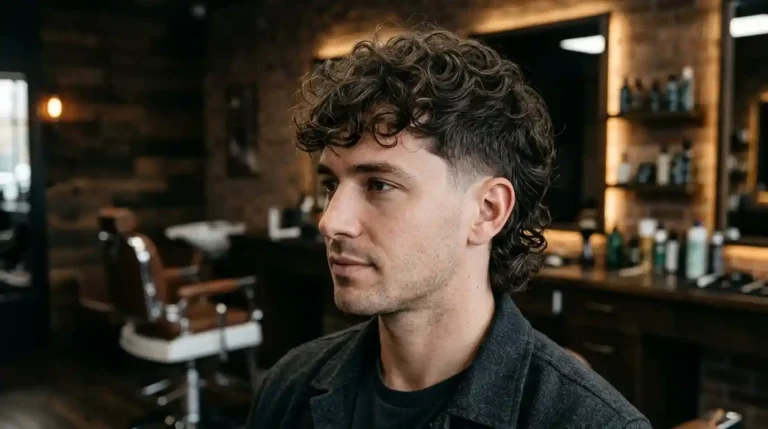

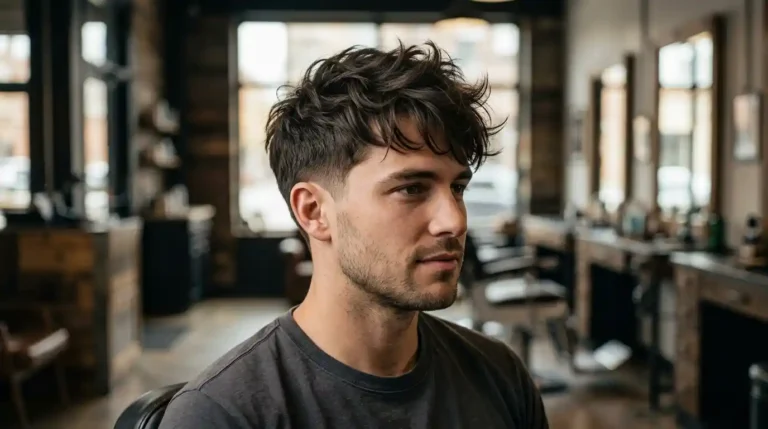
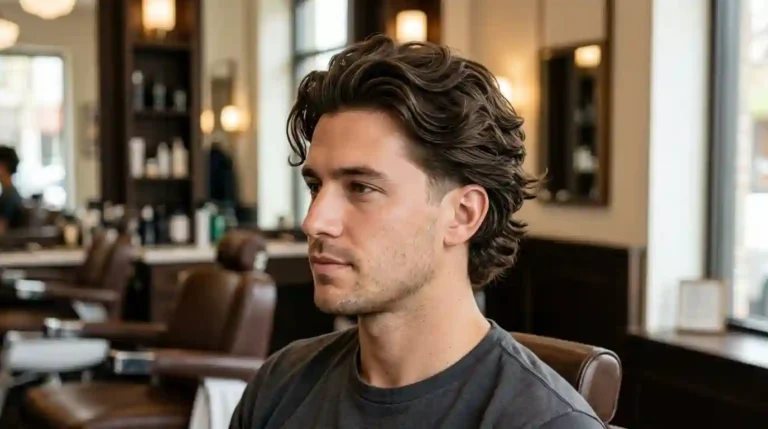

One Comment