
Taper Haircut Hub: Find the Right Taper for Your Style
Welcome to Taper Haircut Hub, a focused resource for understanding taper haircuts, taper fades, barber terminology, hair textures, lengths, designs and modern hairstyle combinations. Whether you are choosing your first taper or trying to explain a specific look to your barber, our guides help you move from inspiration to a clearer haircut decision.
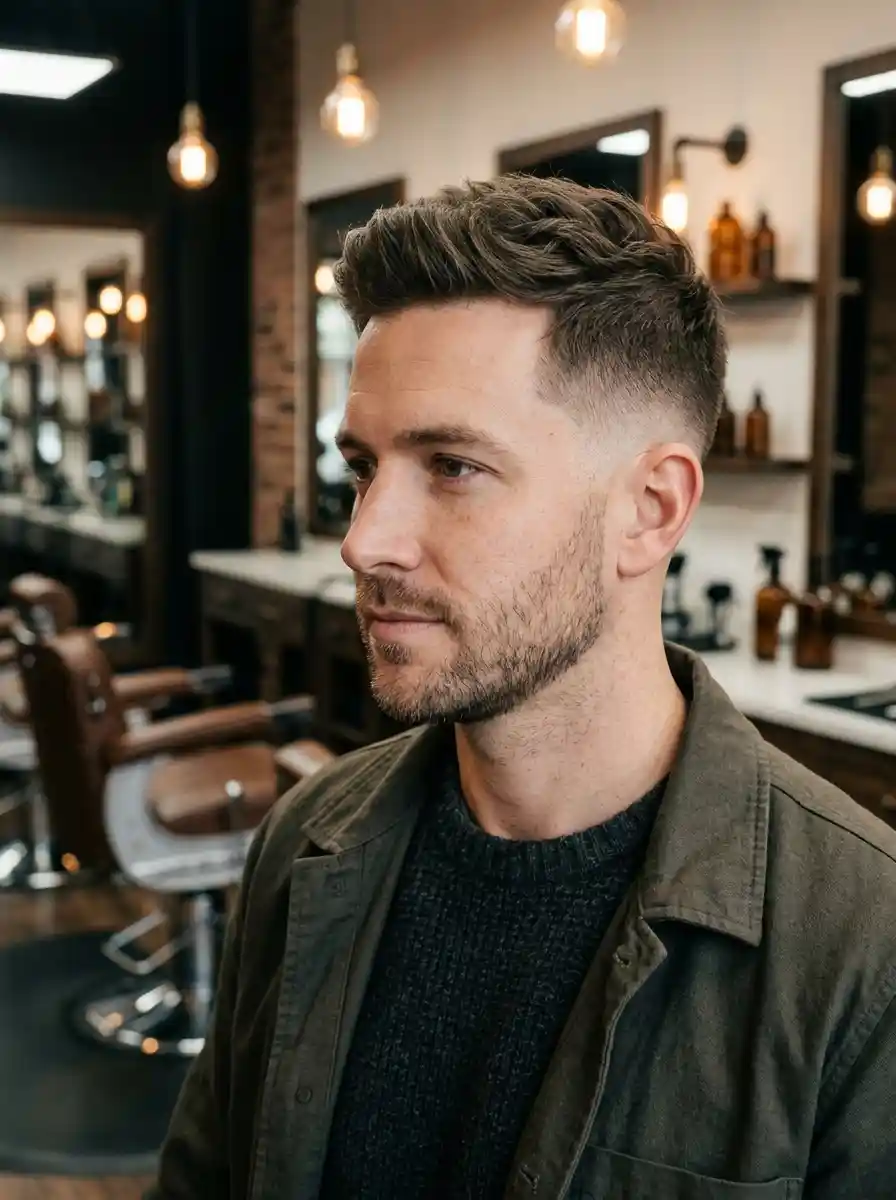
Explore Every Side of the Taper Haircut
Taper haircuts are not one single style. Placement, clipper length, hair texture, neckline, sideburns, contrast, top length and the hairstyle above the taper can all change the result. Use these category hubs to go directly to the type of guidance you need.
Core Taper Haircuts
Start with the essential taper and taper fade styles that form the foundation of the niche.
Open Category 02 · BASICSTaper Haircut Basics
Understand what a taper is, how it works and the barber terminology behind the cut.
Learn the Basics 03 · COMPARETaper Haircut Comparisons
Compare taper vs fade and other close haircut options before deciding which one fits you.
Compare Styles 04 · LEVELSTaper Levels
See how low, mid and high placement changes contrast, shape and the overall haircut.
Explore Levels 05 · CLASSICClassic & Traditional Tapers
Discover timeless, softer and professional taper cuts rooted in traditional barbering.
See Classic Cuts 06 · VARIANTSFade & Taper Variants
Explore temple, skin, bald, burst, drop, shadow and other taper-fade variations.
Browse Variants 07 · TEXTURETaper Haircuts by Hair Type
Find taper ideas for curly, straight, wavy, Afro, natural, thick and textured hair.
Choose Your Texture 08 · LENGTHTaper Haircuts by Length
Compare short, medium and long taper haircuts based on styling flexibility and upkeep.
Browse by Length 09 · AUDIENCETaper Haircuts by Audience
Explore taper styles for men, boys, women and different hair and grooming preferences.
Find Your Guide 10 · STYLINGHairstyles with Taper
Pair a taper with fringes, mullets, buzz cuts, blowouts, mohawks, slick backs and more.
See Hairstyle Ideas 11 · DETAILSTaper Designs & Barber Details
Explore beard tapers, tapered sides, hair designs and details that sharpen the finish.
Explore Details 12 · PRACTICALTaper Haircut How-To & Barber Guides
Learn how to ask for a taper, understand clipper lengths, cost, upkeep and cutting basics.
Read Barber Guides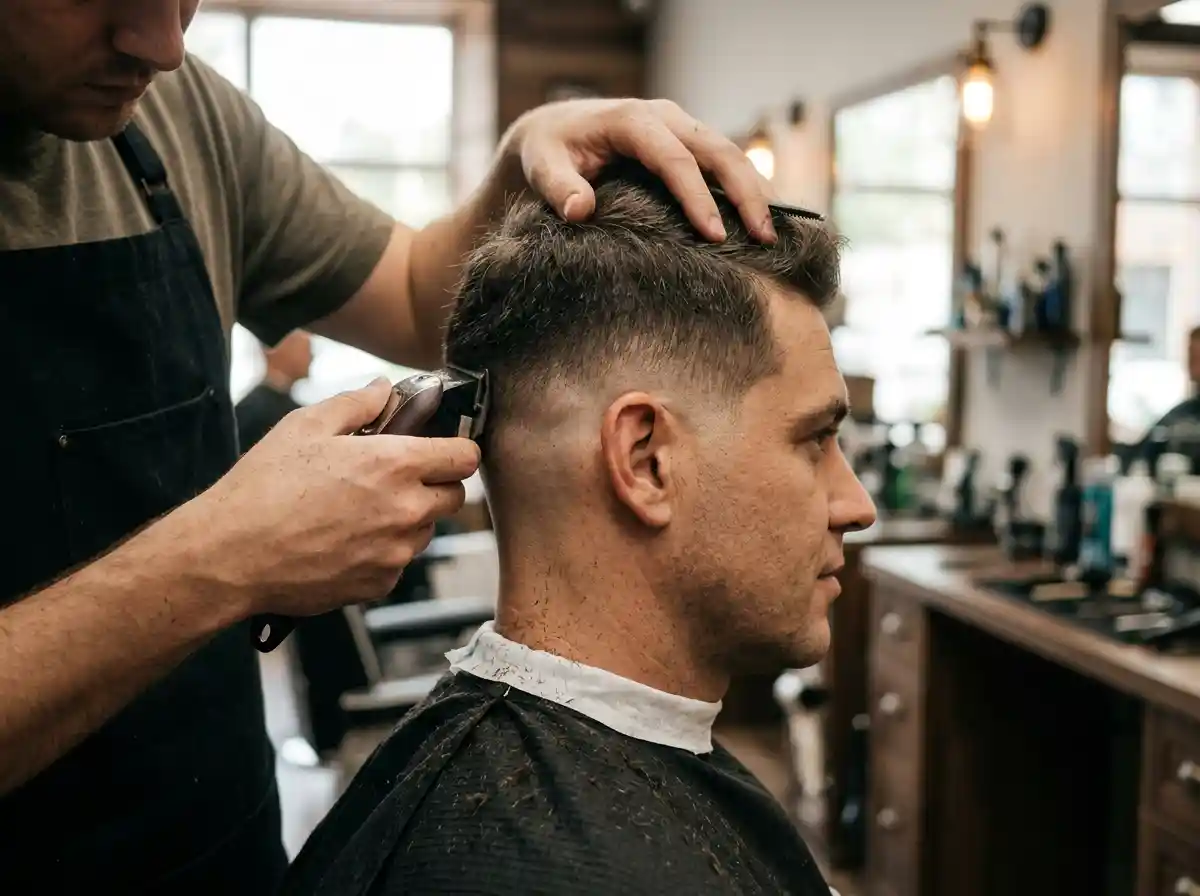
What Makes a Taper Haircut Different?
A taper haircut gradually reduces hair length as it moves toward the edges of the head. The shortening is commonly most visible around the temples, sideburns and neckline. Unlike a haircut that removes a large amount of length across the entire side, a traditional taper can keep more fullness while still producing a neat, controlled outline.
The word taper describes the transition rather than one fixed hairstyle. That is why you can see a classic taper, low taper, mid taper, high taper, temple taper, skin taper, taper fade and many hairstyle combinations that all use tapering in different ways.
The height of the transition, the shortest clipper guard, the amount of scalp exposure and the length left above the blend all influence the finished look.
At Taper Haircut Hub, we organize these differences so you can understand the visual result instead of relying only on haircut names.
- Placement: low, mid and high tapers start the transition at different points.
- Length: clippers, guards and scissor work determine how soft or sharp the blend looks.
- Texture: straight, wavy, curly and Afro-textured hair can display the transition differently.
- Finish: neckline shape, temple work, beard blending and lineups can change the final impression.
Choose the Right Taper Level
Taper level is one of the easiest ways to describe how noticeable you want the transition to be. Hair density, temple shape, hairstyle on top and your preferred maintenance routine can all affect which level feels right.
Low Taper
A low taper keeps most of the transition close to the lower edges of the haircut. It is often chosen when you want a clean neckline and temple area without removing too much visual weight from the sides.
Mid Taper
A mid taper moves the transition higher and creates more separation between the top and lower sides. It sits between subtle and bold and provides balanced contrast.
High Taper
A high taper begins farther up the sides and creates stronger contrast around the temples. The transition becomes a more noticeable part of the haircut silhouette.
Match the Taper to Your Hair Type
A strong haircut works with the hair you actually have. Hair texture affects volume, movement, shrinkage, how easily a blend is visible and how the top of the haircut holds its shape.
Instead of choosing a taper only from a photograph, consider how the same idea will behave on your own density and curl pattern.
Straight hair can make clipper transitions and weight lines easy to see, which means clean blending matters.
Wavy hair adds natural movement that can soften the transition.
Curly hair creates volume and separation between the top and tapered edges, while Afro-textured hair can support defined shapes, lineups, sponge textures, twists and other styles that pair naturally with tapered temples and necklines.
Density is important too. Thick hair may need careful debulking or scissor work, while thinner or receding areas may benefit from a taper placement that does not remove unnecessary fullness.
- Consider natural texture before copying a reference photo.
- Think about how much volume you want to keep around the sides.
- Choose a top style that connects naturally with the tapered edges.
- Discuss cowlicks, thinning areas, hairline shape and growth direction with your barber.

How to Choose a Taper Without Guessing
A haircut reference is useful, but a better decision combines the reference with your hair, lifestyle and maintenance preferences.
Pick the Overall Shape
Decide whether you want a classic, textured, curly, brushed, parted, cropped, blown-out or longer hairstyle above the taper.
Choose Taper Placement
Use low, mid or high placement to control how much of the side profile is affected by the transition.
Choose the Shortest Point
Ask whether the taper should stay soft with visible hair or move closer to skin for a sharper finish.
Show and Explain
Bring a reference image and explain what you like about the temple height, neckline, top length, texture or beard blend.
Similar Barber Terms, Different Results
Barber terminology is not always used identically in every shop. In general, “taper” emphasizes gradual shortening toward selected edges, while “fade” is often used for a stronger transition that can extend farther around the sides and back.
A taper fade haircut blends these ideas, creating a fade-like transition within a taper-focused shape.
The exact result can vary depending on how low the shortest section goes, where the blend begins and whether the fade wraps fully around the head or stays concentrated around the temples and neckline.
Instead of getting stuck on labels, focus on the visual details you want your barber to reproduce.
Temple & Sideburn Area
The transition can be concentrated around the temple and sideburns for a precise, localized taper effect.
Neckline
A tapered neckline gradually shortens the hair toward the bottom edge instead of ending in a heavy block of length.
Skin Exposure
Skin or bald variations take the shortest section closer to bare skin, increasing contrast and making the transition more obvious.
Clippers & Guards
Guard lengths help establish steps in the blend, while lever control, clipper-over-comb and scissor work refine the transition.
Build a Complete Hairstyle Around the Taper
The taper is often the finishing structure, not the entire hairstyle. Top length, parting, texture, fringe direction, facial hair and styling product determine much of the final personality of the cut.
Short & Practical
Buzz cuts, short crops and other compact styles can use a taper to clean the edges without adding unnecessary complexity. Explore taper haircuts by length to compare short, medium and long options.
Texture & Movement
Fringes, blowouts, curls, waves and textured tops create movement above the clean perimeter of the taper. Browse hairstyles with taper for combination ideas.
Classic & Professional
Side parts, comb overs and controlled brushed styles pair naturally with a softer classic taper. See our classic and traditional taper guides .
Details That Finish the Look
Lineups, beard blending, neckline shape and hair designs can change the impression of an otherwise similar haircut. Explore taper designs and barber details .
Know What to Ask for at the Barbershop
A good consultation is specific. Instead of saying only “give me a taper,” describe the placement, shortest length, top style and details you want to keep or change.
Start by telling your barber how much length you want to preserve on top and whether that length will be worn forward, parted, brushed back, textured, curled or left natural.
Next, describe the taper height. If you want a discreet cleanup around the lower edges, say that clearly. If you want stronger contrast around the temple, explain that the transition can sit higher.
The shortest point is equally important. A taper that ends with visible hair feels different from a skin taper or bald taper that exposes more scalp.
If you are unsure about clipper guard numbers, you do not need to pretend you know them. Showing the barber the amount of contrast you want is often more useful than requesting a number without understanding how it will behave on your hair.
Finally, discuss the hairline, sideburns, neckline and facial hair. Some people prefer a natural hairline; others prefer a sharper lineup.
Our how-to and barber guides cover these practical topics in more depth.
Taper Haircut Hub FAQs
Common questions to help you navigate taper haircut styles, maintenance, terminology and barber consultations.
Explore the Taper Haircut Hub and Find Your Next Cut
Start with the fundamentals, compare taper levels, match the cut to your hair type, then explore hairstyle combinations and barber details.