Low Taper Edgar Haircut: 21 Styles & Barber Guide
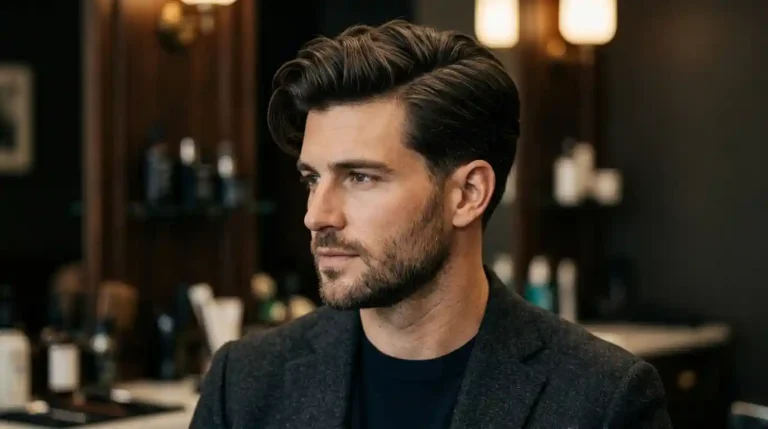
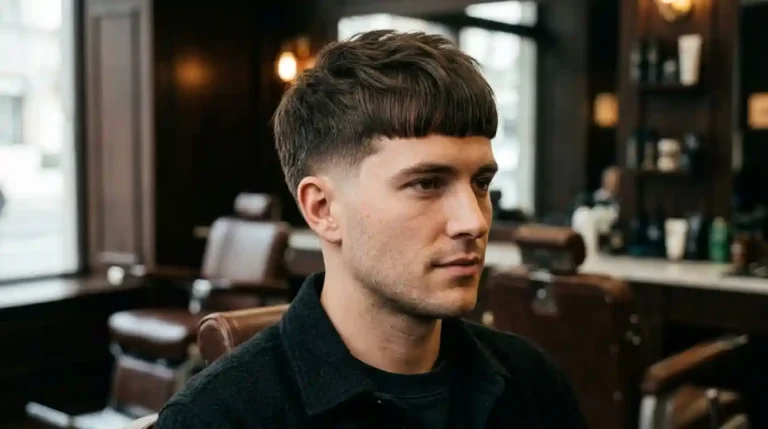
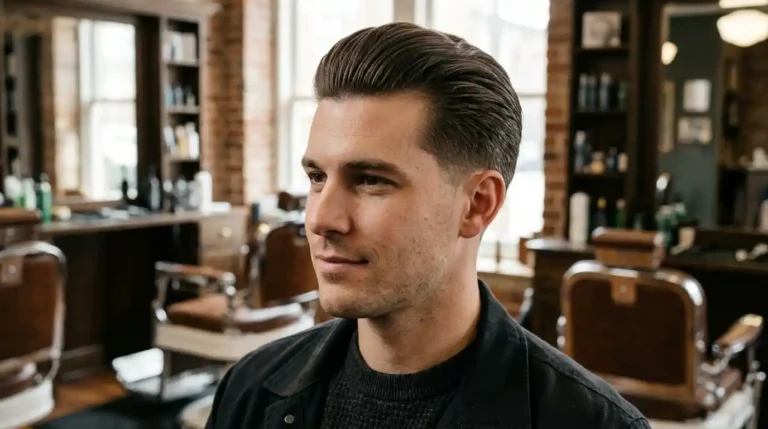
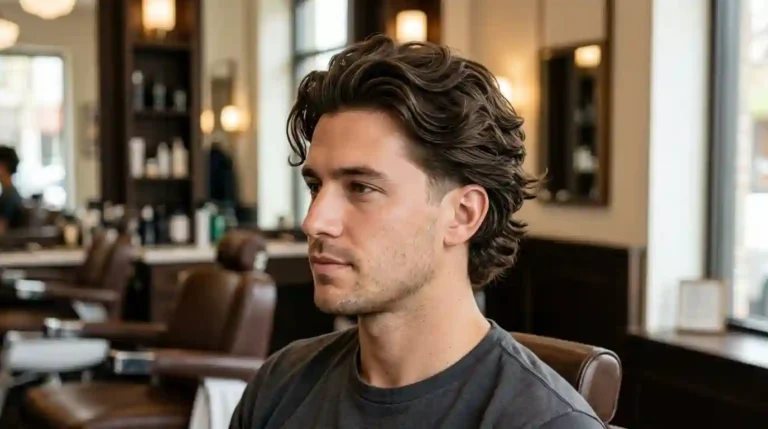
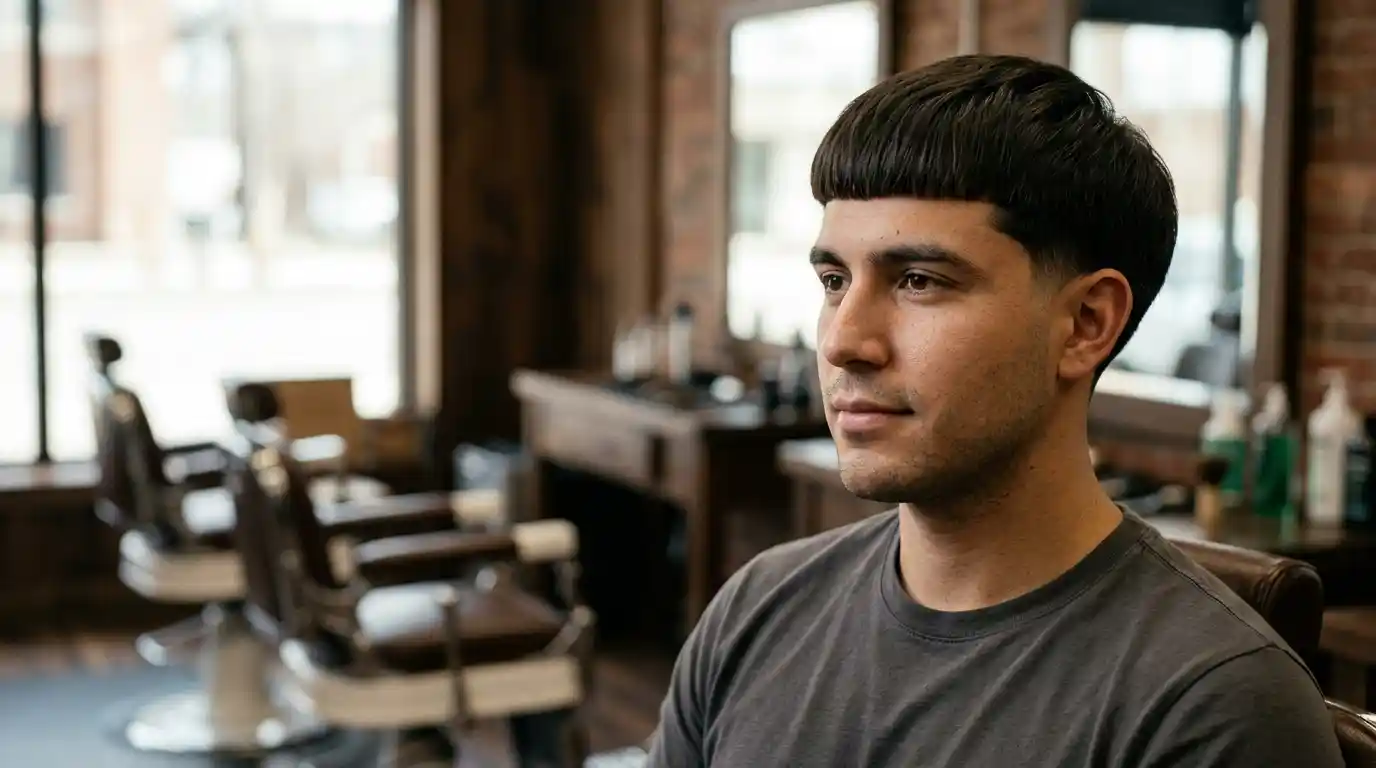
The low taper Edgar haircut combines the Edgar cut’s signature straight-across fringe and forward-styled top with a subtle taper around the temples, sideburns, and neckline. Unlike a traditional high-fade Edgar that creates dramatic contrast across the sides, the low taper version preserves more natural hair volume while keeping the edges clean and defined. The result is a sharp yet wearable hairstyle that can be adapted to straight, thick, wavy, curly, and textured hair.
Whether you prefer a classic blunt fringe, a messy textured top, a fluffy Edgar, or a longer version with natural movement, the right combination of fringe length, taper height, and side weight determines how the haircut looks. A low taper also offers flexibility for men who want an Edgar without shaving a large portion of their sides.
This complete guide covers 21 low taper Edgar haircut styles, explains how the taper and fringe work together, and provides practical instructions for choosing a haircut, communicating with your barber, understanding clipper guards, styling the top, and maintaining its shape between appointments.
Table of Contents
- What Is a Low Taper Edgar Haircut?
- Low Taper, Taper Fade, and Fade Differences
- Low Taper Edgar Haircut Styles
- Who Should Get a Low Taper Edgar?
- Low Taper Edgar Length and Guard Guide
- How to Ask Your Barber for a Low Taper Edgar
- How to Style a Low Taper Edgar
- How to Maintain a Low Taper Edgar
- Common Low Taper Edgar Mistakes
- What to Do If You Don’t Like Your Edgar Cut
- Low Taper Edgar Comparisons and Alternatives
- Low Taper Edgar Cost and Appointment Expectations
- Frequently Asked Questions
- Final Thoughts
What Is a Low Taper Edgar Haircut?
A low taper Edgar haircut is a short-to-medium men’s hairstyle featuring a forward-directed top, a recognizable straight or textured fringe, and gradually shortened hair near the lower sides and neckline.
The Edgar portion of the hairstyle creates the distinctive front shape. The taper controls the perimeter without necessarily removing substantial length across the upper sides.
This distinction matters because the classic Edgar is often associated with a stronger fade, while the low taper creates a softer overall silhouette.
The Edgar’s Blunt Fringe, Forward Top, and Tapered Sides
The most recognizable feature of an Edgar haircut is its forward-facing fringe.
In the classic version, the fringe is cut into a relatively straight horizontal line across the forehead. It may sit high on the forehead or extend closer to the eyebrows.
The hair above it is generally directed forward, creating a compact, cropped appearance.
The low taper provides the second defining feature.
Instead of fading the entire side panel, the barber concentrates the shortest sections around the sideburns, temples, and neckline.
A typical low taper Edgar includes:
- A short or medium-length top styled toward the forehead.
- A blunt, textured, or slightly angular fringe.
- Gradual shortening near the lower temples and sideburns.
- More hair retained above the ears.
- A clean, tapered neckline.
- A connected transition between the longer top and shorter edges.
The haircut can be finished with a sharp line-up for a geometric appearance or a softer fringe for a more casual result.
How a Low Taper Changes the Edgar’s Shape
A low taper changes the Edgar’s silhouette primarily by preserving additional side weight.
In a high-fade Edgar, a large portion of the sides may be cut extremely short. This makes the top appear more isolated and creates stronger contrast.
With a low taper, most of the upper sides remain fuller.
The top and sides therefore appear more naturally connected.
This can make the haircut more understated without eliminating the recognizable Edgar fringe.
The difference is particularly visible from the side.
The haircut retains fullness around the upper ear area while the lower sideburns and neckline remain neat.
Men who want to understand the broader Edgar haircut family can compare these proportions with the Edgar taper haircut, which covers the overall style rather than focusing exclusively on the low taper.
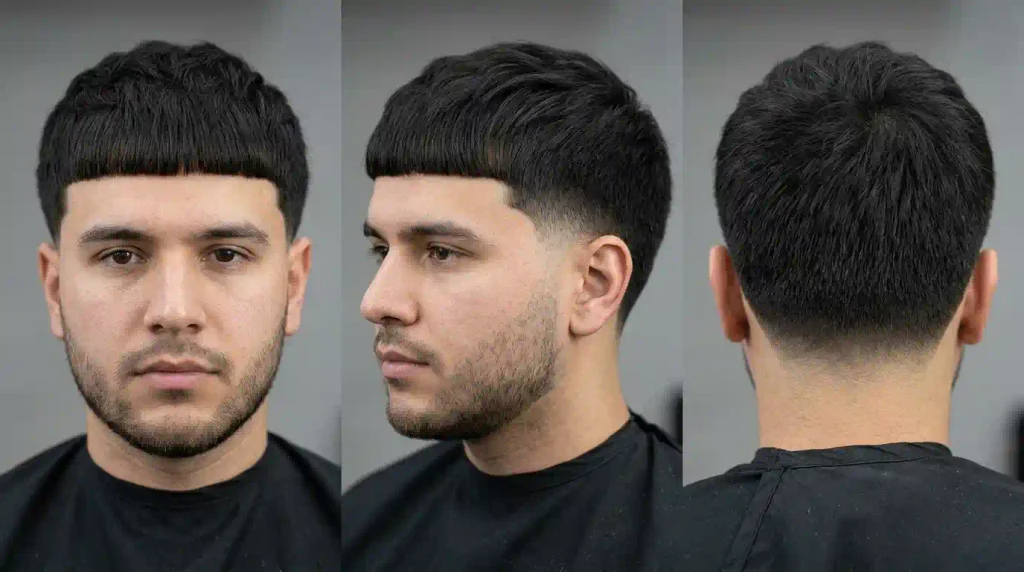
How the Cut Looks From the Front, Sides, and Back
From the front, the fringe remains the dominant feature. A classic version shows a straight, dense line across the forehead, while textured versions have a softer or choppier edge.
From the side, the lower taper becomes more noticeable. The hair gradually shortens near the sideburns while retaining additional length above the ears.
From the back, the neckline is cleaned up with a gradual transition toward the nape. The upper back remains connected to the crown rather than being aggressively faded.
These three viewing angles are important during a barber consultation.
A reference photograph showing only the front may not reveal whether the sides have a low taper, a low fade, or a much higher skin fade.
The Edgar Cut’s Origins and Cultural Context
The Edgar haircut is strongly associated with Mexican-American and wider Latino youth culture, particularly in Texas and other communities across the American Southwest.
It became increasingly recognizable through barbershops, social media, and youth fashion during the late 2010s and early 2020s.
The hairstyle is sometimes called the Takuache haircut or cuh haircut. These names are associated with particular cultural and regional contexts rather than separate technical cutting methods.
The Edgar’s distinctive fringe and rounded or cropped silhouette have also been compared with older Indigenous hairstyles, including historical styles associated with the Jumano people.
However, the precise origin of the modern haircut and the origin of its name are not conclusively documented. Comparisons with earlier hairstyles should not be treated as proof of a direct, uninterrupted historical lineage.
The haircut has become particularly visible on TikTok and other social platforms, where traditional Edgar cuts appear alongside fluffy, curly, textured, and faded variations.
For further background on the style and barbering considerations, see GQ’s guide to the Edgar haircut.
Today, the low taper Edgar is one of several contemporary adaptations. Its appeal lies in keeping the recognizable fringe while allowing a less aggressive treatment of the sides.
Low Taper, Taper Fade, and Fade Differences
One of the most common misunderstandings when requesting an Edgar haircut involves the difference between a taper and a fade.
The terms are sometimes used interchangeably, but they can produce different amounts of contrast.
Low Taper vs. Taper Fade vs. Low Fade
A low taper gradually shortens hair near the lower perimeter, especially around the temples, sideburns, and neckline.
A taper fade generally introduces a more closely blended transition at those edges and may finish extremely short.
A low fade often extends a broader fading area across the lower sides and back.
| Feature | Low Taper Edgar | Low Taper Fade Edgar | Low Fade Edgar |
| Main short area | Sideburns and nape | Lower edges with closer blending | Broader lower side panel |
| Upper-side fullness | Usually preserved | Mostly preserved | May be reduced |
| Contrast | Subtle | Subtle to moderate | Moderate |
| Skin exposure | Not required | Possible | Possible |
| Overall appearance | Natural and connected | Clean and defined | Sharper side transition |
| Grow-out | Often gradual | Depends on shortest length | Fade regrowth may be more visible |
These descriptions are practical distinctions rather than universal barbering standards.
Always use a side-view reference photograph when the exact placement matters.
Where Each Blend Starts and How High It Goes
A true low taper remains concentrated close to the lower hairline.
Near the temples, the barber may gradually blend from very short sideburns into longer hair above.
At the back, a separate taper cleans the lower nape.
A full low fade generally connects a wider faded section around the head.
A mid taper rises higher near the temples.
A high taper introduces considerably more contrast, depending on how the barber defines it.
If your goal is an Edgar with fuller sides, specify that the shortest transition should stay low.
How Much Hair Remains Around the Sideburns and Neckline
The amount of hair retained at the sides changes the haircut’s overall shape.
Keeping more upper-side weight creates a fuller silhouette that resembles the traditional rounded Edgar.
Removing more side weight makes the top appear more isolated.
For a subtle low taper, the barber may use longer clipper guards above the shortest area.
A neckline taper can gradually shorten the hair at the nape without creating a broad shaved panel.
The finished result should look connected rather than separated by a harsh line.
Low vs. Mid vs. High Taper Edgar
| Taper Height | Visual Effect | Suitable For |
| Low taper | Soft, fuller sides | Classic and professional adaptations |
| Mid taper | Balanced contrast | Textured, choppy, and modern Edgar styles |
| High taper | Stronger side contrast | Bold, disconnected, or dramatic styles |
For first-time Edgar wearers, a low taper is a useful starting point because it preserves more hair and gives additional flexibility during future appointments.
Low Taper Edgar Haircut Styles
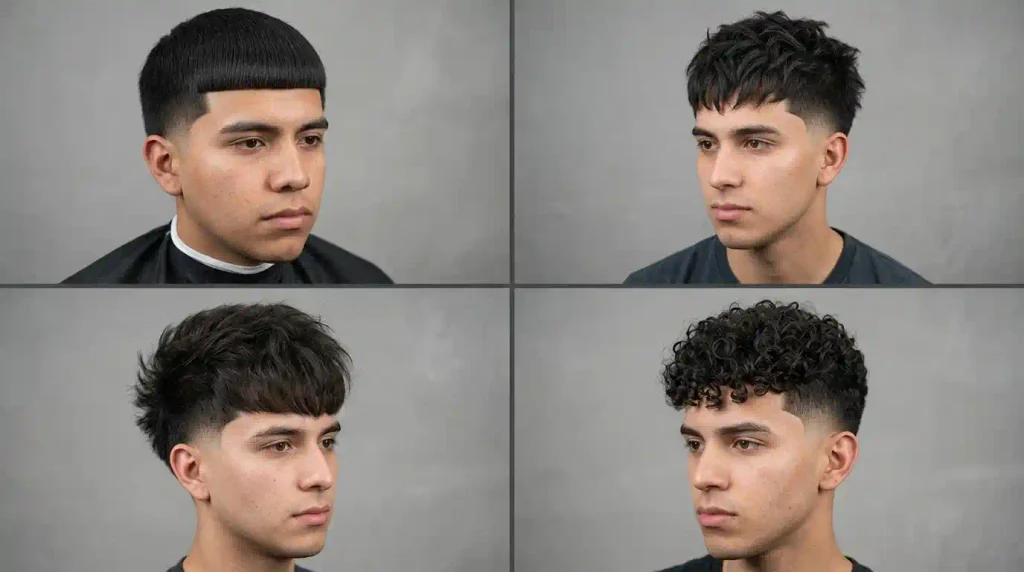
The low taper Edgar can be adapted through fringe length, top texture, styling direction, hair type, and additional details.
The following 21 variations include both classic low taper Edgars and hybrid styles that borrow features from fades, mullets, blowouts, and other modern haircuts.
1. Classic Low Taper Edgar
The classic low taper Edgar retains the traditional straight-across fringe and forward-styled top.
The sides stay relatively full, while the temples and neckline receive a clean, gradual taper.
A top length of approximately 1.5–3 inches works for many versions.
The barber shapes the fringe into a defined line and keeps the crown connected to the upper sides.
This style is particularly suitable for straight or thick hair that naturally falls forward.
Daily styling may require only a small amount of lightweight cream or matte paste.
Best for: Straight, thick, and medium-density hair.
Barber request: “Give me a classic Edgar with a straight fringe and a low taper that preserves the fullness above my ears.”
2. Textured and Choppy Low Taper Edgar
The textured Edgar introduces irregular layers into the top while retaining the recognizable fringe.
Instead of a completely smooth surface, the hair contains separated sections that create movement.
The barber may use point cutting to soften the ends.
A low taper keeps the sides neat without overpowering the texture.
For straight hair, matte paste can create separation.
For wavy hair, natural movement may already provide much of the desired effect.
Best for: Thick straight hair, lightly wavy hair, and men who prefer modern texture.
Barber request: “Keep the Edgar fringe visible, add choppy texture through the top, and finish with a low taper.”
3. Messy Low Taper Edgar
The messy Edgar combines the traditional forward fringe with a more relaxed top.
The hair is deliberately separated rather than combed into one uniform shape.
The barber uses soft layers and carefully placed texture.
A low taper preserves the natural upper-side fullness.
For styling, apply a small amount of matte paste and create irregular movement with your fingers.
The haircut should remain recognizably an Edgar even when the top looks tousled.
For a hairstyle with less emphasis on the sharp Edgar fringe, consider a messy taper haircut.
Best for: Straight or wavy hair and casual styling.
Barber request: “I want a messy Edgar with a soft textured top and low taper, but keep the front shape recognizable.”
4. Fluffy and High-Volume Low Taper Edgar
The fluffy Edgar adds more root volume than the traditional flat, forward-styled version.
The top appears airy and slightly lifted while the fringe curves forward.
This haircut usually requires enough top length for the hair to bend naturally.
A low taper balances the volume without removing too much side weight.
Lightweight mousse and controlled blow-drying can help create the fluffy shape.
Avoid heavy wax near the roots because it may flatten the hair.
If you prefer a hairstyle with much greater vertical height, a high top taper haircut provides a different approach to elevated volume.
Best for: Straight, thick, or slightly wavy hair.
Barber request: “Leave enough length for a fluffy Edgar top, preserve the fringe, and keep the taper low.”
5. Spiky Edgar With a Low Taper
The spiky Edgar combines a short forward fringe with textured sections that rise above it.
Unlike a traditional spiky haircut, most of the top still follows the forward Edgar shape.
The barber creates short, irregular layers that can be lifted using a matte styling product.
A low taper keeps the edges controlled.
For styling, work a small amount of matte clay through dry hair and pinch selected strands upward.
Avoid creating identical rigid spikes.
If you want a taller central ridge instead of a forward fringe, a fohawk taper haircut may better suit your preferred silhouette.
Best for: Thick straight hair and men wanting a short textured hairstyle.
Barber request: “Keep a short Edgar fringe with subtle spiky texture on top and a low taper.”
6. Short Low Taper Edgar
The short Edgar is one of the easiest versions to maintain.
The top remains compact, often around 1–2 inches.
The fringe is short and clearly defined.
A low taper creates a neat outline without exposing a large area of the sides.
This variation suits men who prefer quick grooming and limited product use.
However, very short hair can make cowlicks more noticeable.
The barber should examine the natural growth direction before cutting the crown or fringe too short.
Best for: Short hair, active routines, and minimal daily styling.
Barber request: “Keep the Edgar short and compact with a small blunt fringe and subtle low taper.”
7. Long-Top and Long-Fringe Low Taper Edgar
A long-top Edgar preserves additional length through the crown and front.
The fringe may sit closer to the eyebrows, depending on forehead height and hair texture.
The barber can use soft layers to prevent the longer hair from becoming excessively heavy.
A low taper allows the sides to remain connected to the top.
This style offers greater flexibility because the fringe can be worn forward or slightly angled.
If the top becomes substantially longer and begins moving naturally backward, the haircut may transition toward a Flow Taper Haircut rather than a conventional Edgar.
Best for: Medium-length hair and men wanting more forehead coverage.
Barber request: “Keep a longer Edgar top and fringe, use soft layers, and taper only the lower edges.”
8. Edgar With a Blunt or Angular Fringe
The blunt fringe is the most recognizable Edgar feature.
It forms a relatively straight horizontal edge across the forehead.
An angular fringe introduces a slight diagonal shape while preserving a defined front.
A low taper complements either finish.
For dense straight hair, the barber can create a strong geometric line.
For finer hair, a softer edge may be more practical.
The fringe should be positioned according to the dry finished length rather than cut solely by its wet appearance.
Best for: Straight or thick hair and men wanting a defined front.
Barber request: “Give me an Edgar with a sharp blunt fringe or slightly angular front and a natural low taper.”
9. Edgar With a Line-Up or Geometric Design
A line-up emphasizes the forehead and temple outline.
It can make the traditional Edgar appear sharper and more structured.
The barber may also add a small shaved line within the tapered area.
A single geometric detail often provides enough contrast without overwhelming the haircut.
The line-up should follow the natural hairline rather than pushing it unnecessarily backward.
Shaved designs require additional maintenance because their definition changes as the hair grows.
Best for: Men wanting a more personalized, sharp Edgar haircut.
Barber request: “Keep a classic Edgar with a low taper, clean up my natural hairline, and add one subtle design if suitable.”
10. Disconnected Low Taper Edgar
A disconnected Edgar introduces a more visible difference between the long top and shorter sides.
Instead of blending every section smoothly, the hair may form a noticeable weight line.
This gives the haircut a more dramatic appearance.
A localized low taper can still clean the lower perimeter.
However, the upper side treatment determines whether the result resembles a disconnected crop or undercut.
The barber should explain where the separation begins before cutting.
This version is less subtle than a classic low taper Edgar.
Best for: Thick hair and men wanting stronger visual contrast.
Barber request: “Keep the Edgar fringe and top length, but create a deliberate separation while keeping the lower taper clean.”
11. Blowout Taper Edgar
The blowout Edgar combines the forward fringe with additional volume through the top.
The hair rises at the roots before moving forward.
This creates a rounded, textured appearance.
The barber should retain enough length for the hair to lift without becoming too heavy.
A low taper keeps the sideburns and neckline controlled.
Styling often requires lightweight mousse and a blow-dryer.
For a hairstyle emphasizing volume more than the Edgar’s front line, see the Blowout Taper Haircut.
Best for: Thick straight or slightly wavy hair.
Barber request: “Give me a blowout-style Edgar with a visible fringe, added root volume, and low tapered edges.”
12. Low Taper Edgar With a Beard
The Edgar can be combined with a short or full beard.
The taper creates a connection between the sideburns and facial hair.
A gradual beard blend often looks more natural than an abrupt separation.
The barber should consider the beard’s density and the desired overall shape.
For a sharp Edgar, a neatly defined beard can complement the geometric fringe.
A softer, textured Edgar may work well with a more natural beard outline.
Best for: Men who want coordinated haircut and beard styling.
Barber request: “Keep a low taper Edgar and blend the sideburns naturally into my beard.”
13. Layered or Casually Textured Low Taper Edgar
This variation emphasizes soft layers rather than strong choppy texture.
The top remains forward-directed, but the ends fall more naturally.
A low taper creates a subtle perimeter.
The barber should avoid excessive thinning, particularly on fine hair.
The haircut works well when you want an Edgar-inspired shape without a completely rigid fringe.
A small amount of styling cream can provide flexible control.
Best for: Straight or wavy hair and men who prefer softer styling.
Barber request: “Give me a layered Edgar with a natural fringe and a clean low taper, keeping the top soft rather than heavily choppy.”
14. Slicked-Back Low Taper Edgar
The slicked-back Edgar is a hybrid styling variation rather than a traditional Edgar.
The Edgar haircut normally relies on a forward fringe.
When the top is brushed backward, that defining feature becomes less visible.
However, a sufficiently long Edgar top can sometimes be restyled backward while retaining the same low taper.
A flexible pomade or styling cream can help direct the hair.
For a haircut designed primarily around a neat side-directed or backward-styled top, a Comb Over Taper Haircut may be more appropriate.
Best for: Men wanting two styling options from a longer Edgar top.
Barber request: “Keep the Edgar top long enough to wear forward or brush backward, with a subtle low taper.”
15. Curly or Wavy Low Taper Edgar
A curly Edgar uses natural curls to form the forward fringe.
Instead of a perfectly straight front line, the fringe may follow the curl pattern.
A low taper keeps the sides controlled.
The barber must consider hair shrinkage before deciding how much length to remove.
A curly fringe cut too short while wet may sit much higher after drying.
For styling, apply curl cream or leave-in conditioner and gently define the front curls.
A diffuser may help maintain volume.
Best for: Wavy, curly, and appropriately shaped coily hair.
Barber request: “Keep enough length for my natural curls to form an Edgar fringe, account for shrinkage, and use a low taper.”
16. Low Taper Edgar With a Crop or Caesar-Style Fringe
This version combines Edgar geometry with the compact proportions of a crop or Caesar cut.
The top remains relatively short and directed forward.
The fringe may be shorter and more uniform than a traditional Edgar.
A low taper cleans the perimeter.
This is a practical option for men wanting a less dramatic front line.
The french crop taper haircut men guide explains the related French crop silhouette in greater detail.
Best for: Short straight hair and low-maintenance styling.
Barber request: “Keep a short Edgar-inspired crop with a compact forward fringe and low tapered sides.”
17. Edgar Mullet With a Low Taper
The Edgar mullet combines a short forward fringe with additional length at the back.
A low taper or localized burst-style transition cleans the area around the ears.
The barber preserves the longer nape while maintaining the recognizable Edgar front.
The crown should connect naturally to the back.
If the nape is cut too short, the mullet silhouette disappears.
Wavy or curly hair can create additional movement through the longer section.
Best for: Men wanting a distinctive longer-back Edgar variation.
Barber request: “Keep an Edgar fringe on top, preserve length at the back, and add a low taper around the ears.”
18. Bowl-Cut Edgar With a Low Taper
The bowl-cut Edgar emphasizes a dense, rounded upper silhouette and a relatively straight fringe.
The sides retain substantial weight near the upper ears.
The taper cleans the lower edges without changing the overall rounded shape.
This version is particularly associated with the traditional visual identity of the Edgar.
Thick, straight hair can support a clean outline.
The barber may soften the fringe slightly to prevent the haircut from looking excessively rigid.
Best for: Thick straight hair and men wanting a classic rounded Edgar shape.
Barber request: “Keep a rounded bowl-inspired Edgar with a strong fringe and low tapered sideburns and neckline.”
19. Low Taper Edgar With a Burst or Drop Fade
This hybrid combines the Edgar top with a curved side transition.
A burst fade follows a rounded area near the ear.
A drop fade curves downward behind the ear toward the back.
Neither is exactly the same as a traditional localized low taper, so the requested shape should be shown in a reference photograph.
The barber should preserve enough upper-side weight to maintain the Edgar silhouette.
A textured top can soften the contrast.
Best for: Men who want a curved fade detail with an Edgar fringe.
Barber request: “Keep the Edgar top and fringe, but use a subtle burst or drop-shaped transition without cutting too high.”
20. Low Taper Edgar With a Skin-Fade or High-Fade Combination
A skin taper can be combined with an Edgar while keeping the shaved section localized near the lower edges.
A high fade creates a much stronger side transition.
These are different finishes, even if photographs sometimes group them together.
For a true low taper Edgar, the shortest skin-level section should generally remain near the lower perimeter.
If the fade extends high across the sides, the haircut becomes more accurately described as a high-fade Edgar.
This version is suitable for men who want sharper contrast and are comfortable with more frequent fade maintenance.
Best for: Men wanting a bold, closely blended variation.
Barber request: “Keep the Edgar fringe and use a very short low skin taper, but don’t fade the entire sides high unless we agree on that look.”
21. Low Taper Edgar With a Perm, Blonde Color, or Highlights
Color and texture treatments can personalize the Edgar without completely changing its shape.
A perm may introduce curls or waves into suitable hair, creating a textured fringe.
Blonde or platinum color can make the top more visually prominent.
Highlights may emphasize choppy layers and individual sections.
Chemical treatments can increase dryness and breakage, so the hair’s condition should be evaluated beforehand.
A trained professional can advise whether lightening or permanent waving is appropriate.
The barber should shape the Edgar to suit the finished texture rather than assuming the hair will behave as it did before treatment.
Best for: Men wanting additional texture or a distinctive color finish.
Barber request: “Keep the low taper Edgar shape and adapt the fringe and layers to my colored or chemically textured hair.”
Who Should Get a Low Taper Edgar?
The low taper Edgar works with a variety of hair types, but the finished appearance depends heavily on the fringe, density, and natural growth direction.
Choosing a Style for Straight, Wavy, Curly, or Coily Hair
Straight hair: Straight hair can create a sharp Edgar fringe. Thick straight hair may need selective texturizing, while fine hair often benefits from more conservative layering.
Wavy hair: A wavy Edgar produces a softer fringe and natural movement. The barber should account for the waves when establishing the front length.
Curly hair: Natural curls can create a rounded or textured Edgar. Shrinkage is important because curls may appear much shorter when dry.
Coily hair: A coily Edgar-inspired crop can incorporate shaped coils or a textured front with a localized taper. The barber should work with the natural curl pattern rather than forcing a straight-hair fringe.
Adapting the Cut for Thick, Fine, or Low-Density Hair
Thick hair can support the Edgar’s dense fringe, but excessive bulk may create a heavy bowl-like appearance.
Selective point cutting can help distribute weight.
Fine hair often needs enough length and density retained at the front.
Aggressive thinning may cause the fringe to separate into sparse sections.
For low-density hair, a softer crop may appear more balanced than a heavy blunt fringe.
A skilled barber should assess the distribution of hair rather than relying only on the overall hair type.
Choosing a Style for Your Face Shape
Face shape can help determine fringe length, taper height, and top volume.
Oval Face
An oval face can accommodate many Edgar variations. A classic blunt fringe, textured top, or slightly longer front may all work depending on hair texture.
Round Face
A round face may benefit from a slightly shorter fringe and moderate top volume. A very heavy horizontal fringe can create a wider visual impression, while controlled side weight helps balance the silhouette.
Square Face
A square face often works well with the Edgar’s geometric shape. A blunt fringe emphasizes angular features, while a textured fringe offers a softer contrast.
Diamond Face
For a diamond-shaped face, preserving some upper-side fullness may help balance the cheekbones. A low taper is useful because it avoids removing too much width around the temples.
Heart-Shaped Face
A heart-shaped face may benefit from a softer or slightly textured fringe. Keeping the taper relatively low can preserve some fullness around the upper sides.
Oblong Face
An oblong face may suit a fuller fringe with limited vertical height. Excessively tall styling can make the face appear longer.
These are visual suggestions rather than strict rules.
The individual’s forehead height, jawline, hairline, and personal preference matter more than any single face-shape label.
How Your Hairline and Forehead Affect the Cut
The fringe directly influences how much of the forehead remains visible.
A classic Edgar can create a strong horizontal line, making fringe length an important part of the haircut.
Choosing Fringe Length for a High Forehead
A longer fringe may provide greater forehead coverage.
However, it should still be short enough to maintain the intended shape without constantly falling into the eyes.
For men who want more forehead-framing options, a fringe taper haircut can offer softer and longer alternatives.
Adjusting the Shape for a Receding Hairline or Temples
A short textured fringe may soften the appearance of a receding hairline in some cases.
However, the result depends on the actual density of hair at the front.
Avoid aggressive lineups that unnecessarily push the hairline backward.
A low taper can preserve more natural side weight.
When a Softer or Textured Fringe May Work Better
A softer fringe may be preferable when the hairline is uneven, the front has a cowlick, or the hair is relatively fine.
The barber can use light point cutting to create movement without removing substantial density.
A completely blunt fringe is not required for every Edgar variation.
Considering Your Routine, Workplace, or Dress Code
A classic Edgar with a sharp fringe can create a bold appearance.
For school or work environments, a softer textured fringe and low taper may be more understated.
However, dress-code expectations differ between institutions and workplaces.
If you prefer minimal styling, choose a shorter top that follows your natural hair direction.
A fluffy or blowout Edgar usually requires more daily effort.
Weighing the Style’s Benefits and Drawbacks
| Advantages | Potential Drawbacks |
| Recognizable, structured fringe | Sharp fringe requires maintenance |
| Low taper preserves more side weight | Sideburns and neckline grow out |
| Works with several hair textures | Some textures require more styling |
| Multiple modern variations | Cowlicks may affect the fringe |
| Can be styled neatly or casually | Very blunt versions may feel bold |
| Less side contrast than a high fade | Haircut names can be interpreted differently |
The most suitable version balances your preferred appearance with the time you want to spend maintaining it.
Low Taper Edgar Length and Guard Guide
Length and clipper guard instructions are particularly important for this haircut because small adjustments can change the fringe and side proportions.
Choosing the Length on Top
| Top Length | Approximate Range | Suitable Edgar Style |
| Very short | 0.75–1.5 inches | Compact or short Edgar |
| Short | 1.5–2.5 inches | Classic blunt Edgar |
| Medium | 2.5–4 inches | Textured, messy, or fluffy Edgar |
| Long | 4–6+ inches | Long-fringe or hybrid Edgar |
These lengths are approximate.
Curly hair may need more stretched length to achieve the desired dry appearance.
The barber should assess the top after styling rather than relying on length alone.
Choosing the Fringe Length
A short fringe can sit high on the forehead.
A medium fringe may cover the upper or middle forehead.
A long fringe can approach the eyebrows.
Ask your barber to show where the fringe will end when dry.
For example:
“I want the fringe to sit around the middle of my forehead, not near my eyebrows.”
This gives a clearer target than requesting a generic short fringe.
Choosing the Taper Height and Side Length
The low taper should remain concentrated near the lower hairline.
The barber can use different lengths through the sideburns and temples to create a gradual transition.
The upper sides should retain enough weight to complement the Edgar’s top.
For a softer look, the shortest area may remain at a No. 1 or No. 2 guard length.
For a closer finish, the barber may use a shorter guard, clipper blade, or trimmer.
The exact choice depends on the desired contrast.
How Clipper Guard Numbers Affect the Sides
| Guard Number | Approximate Cutting Length |
| No. 0.5 | 1.5 mm |
| No. 1 | 3 mm |
| No. 1.5 | 4.5 mm |
| No. 2 | 6 mm |
| No. 3 | 10 mm |
| No. 4 | 13 mm |
| No. 6 | 19 mm |
These are common nominal lengths rather than guarantees.
The barber may use multiple guards and lever positions to blend the taper.
For example, a low taper may begin with a very short length near the sideburn and gradually blend into longer hair above.
Why Guard Numbers Can Vary by Barber and Clipper
Clipper guards are not perfectly identical across every system.
The final length may vary according to the brand, blade, lever position, and cutting direction.
A No. 1 guard with the lever open may leave more length than the same guard with the lever closed.
For this reason, explaining the desired visual result is often more useful than requesting only a number.
Use a reference photograph to show the intended taper height and side fullness.
How to Ask Your Barber for a Low Taper Edgar
Clear barber instructions help prevent receiving a high fade when you wanted a subtle low taper.
Explain Where You Want the Taper to Start
Tell the barber that the shortest transition should remain low around the temples, sideburns, and neckline.
You can say:
“I want a low taper, not a full fade across the sides.”
This clarifies the amount of hair you want preserved.
Specify How Short You Want the Sides and Neckline
Explain whether you want visible hair near the shortest edges or a skin-level finish.
A natural taper can retain a little length.
A skin taper creates more contrast.
Also specify whether you want a softly tapered neckline or a sharply lined finish.
Describe the Top Length, Side Weight, and Fringe
The barber should understand three separate details:
- How much length should remain on top.
- How full the sides should remain above the taper.
- How the fringe should be shaped.
For example, a classic Edgar may use a two-inch top with a relatively blunt fringe.
A fluffy Edgar may need more length and layering.
Choose a Natural or Sharply Defined Line-Up
A sharp line-up can reinforce the geometric Edgar shape.
A natural hairline creates a softer appearance.
Neither is automatically better.
If your hairline is uneven or receding, discuss how much hair should be removed before agreeing to a strong line-up.
How to Choose a Reference Photo That Matches Your Hair
Compare Your Hair Texture and Density With the Photo
Try to select a photograph featuring a similar hair type.
A dense straight-haired Edgar may not behave identically on fine or curly hair.
Check the Front, Side, and Back Views
The front view shows the fringe.
The side view shows the taper height.
The back view shows the neckline and crown transition.
Identify the Taper Height, Fringe, and Top Shape
Look beyond the overall haircut name.
Determine whether the photograph shows a low taper, low fade, or much higher transition.
Notice whether the fringe is blunt, textured, or angled.
Point Out What You Want the Barber to Change
You may like the top in one photograph but prefer a softer taper.
Explain this before cutting.
For example:
“I want this fringe, but I want the sides fuller than they are in the picture.”
Example Barber Request
You can use the following script:
“I want a low taper Edgar haircut with a forward-styled top and a defined fringe. Please keep about two to three inches on top, depending on what works with my hair texture. I want the fringe to sit around the middle of my forehead when dry. Keep the upper sides full and taper only the lower temples, sideburns, and neckline. I don’t want the fade taken high around my ears. Add some natural texture to the top, but don’t thin it excessively. Please check my crown and cowlicks before cutting.”
For a curly variation, add:
“Please account for my curl shrinkage and check the fringe after drying.”
For a classic blunt version, add:
“Keep the front line relatively straight and defined without pushing my natural hairline backward.”
How to Style a Low Taper Edgar
The styling routine depends on whether you want a classic, messy, fluffy, or curly finish.
A well-cut Edgar should retain its basic shape without excessive product.
Start With Slightly Damp Hair
Begin with clean or lightly refreshed hair.
If you do not need to shampoo, use a spray bottle to dampen the top.
Slightly damp hair is easier to direct than completely dry hair with unwanted bends.
Avoid soaking the hair when only a quick style refresh is needed.
Direct the Top Forward
Use your fingers or a comb to guide the top toward the forehead.
For a classic Edgar, keep the direction relatively uniform.
For a textured Edgar, separate selected strands.
If you have a front cowlick, gently blow-dry the roots in the intended direction.
Create a Textured, Fluffy, Messy, or Smooth Finish
Textured finish: Use matte paste and separate the ends with your fingers.
Fluffy finish: Apply lightweight mousse and blow-dry the roots upward before guiding the fringe forward.
Messy finish: Move small sections in different directions while preserving the recognizable fringe.
Smooth finish: Use a little styling cream or flexible pomade and comb the hair forward.
The haircut should retain its Edgar identity even when the top is styled differently.
Keep the Fringe Defined
The fringe is the main visual feature.
For a blunt Edgar, lightly comb the front into place.
For a choppy Edgar, separate a few sections without making the line disappear completely.
Avoid applying too much product directly to the fringe.
Heavy products may cause strands to clump and create gaps.
Choose a Suitable Styling Product
| Product | Best For | Expected Finish |
| Matte paste | Classic textured Edgar | Flexible separation |
| Matte clay | Thick straight hair | Stronger texture and hold |
| Mousse | Fine or fluffy hair | Lightweight volume |
| Hair powder | Flat roots | Dry lift and texture |
| Styling cream | Wavy or softer Edgar | Natural movement |
| Hair wax | Short defined sections | Moderate control |
| Curl cream | Curly Edgar | Curl definition |
| Lightweight pomade | Smooth classic styling | Controlled finish |
Matte Paste or Clay
Matte paste suits many short-to-medium Edgars because it creates separation without excessive shine.
Clay can provide stronger control for thick straight hair.
Use a small quantity and distribute it evenly.
Hair Powder or Mousse
Hair powder can create root lift on fine or flat hair.
Mousse is useful when a fluffy Edgar needs additional volume.
Avoid excessive product buildup.
Hair Cream or Wax
Styling cream works well for softer or wavy hairstyles.
Wax may help define short sections but can feel heavy when overused.
Choose the product according to your texture and desired level of hold.
Use a Blow Dryer or Diffuser When Needed
A blow-dryer can help establish a forward direction or create root volume.
Use low or medium heat and an appropriate heat protectant.
For curly hair, a diffuser may preserve the natural curl pattern.
Air-drying can work well when the hair naturally falls forward.
Avoid Using Too Much Product
The Edgar should look structured without appearing greasy or stiff.
Start with a small amount of styling product.
Add more only when necessary.
If the fringe looks flat or separated into heavy clumps, excessive product may be the cause.
How to Maintain a Low Taper Edgar
Maintenance focuses on keeping the fringe shaped and the lower edges clean.
Keep the Sideburns, Ears, and Neckline Clean
The shortest taper sections may become less defined as hair grows.
A quick cleanup can restore the sideburns and neckline without cutting the full top.
Avoid raising the taper higher at each appointment.
Maintain the Fringe and Top Shape
A blunt fringe may require occasional reshaping to maintain its line.
A textured fringe can grow out more gradually.
If you are growing the top longer, ask the barber to preserve the length and remove only what is necessary.
Plan Trims Based on the Finish You Want
A sharp, geometric Edgar usually requires more regular maintenance.
A soft textured version can be more forgiving.
A low taper also generally grows out more subtly than a high skin fade.
How Often to Visit the Barber
For many men, a taper cleanup every 2–4 weeks is a practical starting point.
A sharply defined fringe may need attention approximately every 3–5 weeks, depending on hair growth and the desired finish.
The exact schedule varies.
A high-contrast skin taper may need more frequent cleanup, while a natural low taper can often go longer between visits.
Common Low Taper Edgar Mistakes
Several cutting and styling mistakes can alter the intended Edgar silhouette.
Taking the Taper Too High
A high taper can remove the upper-side fullness that distinguishes the low taper version.
Show your barber the exact area where the short transition should stop.
Removing Too Much Weight From the Sides
Excessively short sides can make the top look disconnected or mushroom-shaped.
For a classic low taper Edgar, retain enough length above the ears for a natural connection.
Making the Fade the Focus Instead of the Edgar Shape
The defining feature should remain the forward fringe.
A dramatic fade can overpower the top and shift the haircut toward a different style.
Choose the taper height according to how much contrast you want.
Cutting the Fringe or Top Too Short
An overly short fringe may expose more forehead than intended.
Cutting the crown too short can also cause cowlicks to stick up.
Ask the barber to check the intended dry length before removing substantial hair.
Choosing a Reference Style That Does Not Match Your Hair Texture
A straight, dense Edgar may not look the same on fine or curly hair.
Choose photographs that resemble your own texture, density, and growth pattern.
Letting the Sides Become Bulky
A low taper preserves side weight, but too much unshaped bulk can create an excessively rounded silhouette.
A barber can selectively reduce weight while keeping the taper low.
Overusing Styling Products
Heavy wax or pomade can flatten the top and cause the fringe to separate.
Use lightweight products and begin with small amounts.
What to Do If You Don’t Like Your Edgar Cut
Not every haircut turns out exactly as expected.
Some issues can be corrected immediately, while others require additional hair growth.
What Your Barber May Be Able to Adjust During the Appointment
A slightly uneven fringe may be corrected through careful trimming.
A visible fade line may be softened through additional blending.
Excessive bulk around the sides may be reduced.
However, removing more hair is not always the best solution.
Before accepting a correction, ask how it will affect the overall length and shape.
When to Wait for the Fringe or Taper to Grow Out
If the fringe is too short, it usually needs time to grow.
If the taper was taken too high, allowing the upper sides to regain length may be the best approach.
Avoid repeatedly shortening the top to match an unwanted high fade.
That can delay the return to your preferred silhouette.
How to Style the Cut While It Grows
A short fringe can sometimes be styled into a textured crop.
A longer uneven fringe may work as a side-swept style.
If the top is too bulky, lightweight styling cream can help control its direction.
For a more compact alternative during grow-out, a Taper Haircut Crew Cut Low Fade offers a different structured silhouette, although choosing it may require shortening the top.
What to Clarify at Your Next Appointment
Tell the barber what was different from your expectations.
For example:
“The previous taper was too high, so I want to preserve more hair around the upper sides.”
Or:
“The fringe was too short, so please leave it longer this time and check the dry length.”
Specific feedback is more useful than asking for the same haircut again without explaining the problem.
Low Taper Edgar Comparisons and Alternatives
The Edgar shares characteristics with other short men’s hairstyles, but its strong fringe and rounded crop shape make it recognizable.
Low Taper Edgar vs. Caesar Cut
The Caesar cut generally features a short, forward-styled top and compact fringe.
The Edgar often emphasizes a stronger, straighter fringe and more pronounced geometric shape.
A low taper can be added to either hairstyle.
Low Taper Edgar vs. French Crop
The French crop and Edgar both use a forward-directed top.
The French crop often allows a softer or more textured fringe.
The classic Edgar typically emphasizes a sharper front edge and denser rounded silhouette.
However, modern variations overlap considerably.
Low Taper Edgar vs. Textured Crop
A textured crop focuses on choppy layers and separation.
An Edgar focuses more strongly on its recognizable front shape.
A textured Edgar combines both characteristics.
Low Taper Edgar vs. Buzz Cut
A buzz cut keeps the top much shorter and usually removes the recognizable fringe.
The Edgar needs enough front length to create its defining shape.
For men who prioritize minimal styling, a Buzz Taper Haircut may be more convenient.
Alternatives to the Low Taper Edgar
If the Edgar’s blunt fringe does not suit your preferences, consider these alternatives.
| Alternative | Main Difference |
| Textured crop | Softer, less geometric fringe |
| French crop | Compact forward top with flexible fringe shape |
| Caesar cut | Shorter, more uniform forward styling |
| Buzz taper | Very short top without a prominent fringe |
| Crew cut | Short top, usually styled upward or forward without heavy bangs |
| Comb over taper | Side-directed top rather than blunt fringe |
| Flow taper | Longer hair with natural movement |
| Faux hawk taper | Elevated central section instead of a forward crop |
For a short, neat celebrity-inspired alternative, a Drake Taper Haircut emphasizes a more compact, structured finish.
Choosing another hairstyle does not mean the Edgar cannot work for you. The goal is to find a shape that complements your hair and remains comfortable to maintain.
Low Taper Edgar Cost and Appointment Expectations
The cost of a low taper Edgar depends on location, barber experience, service complexity, and whether additional detailing is included.
What Can Affect the Haircut Price
In the United States, a standard low taper Edgar may cost approximately 25–65, with premium shops or elaborate designs charging more.
| Service | Illustrative US Price Range |
| Basic taper cleanup | 15–30 |
| Standard low taper Edgar | 25–65 |
| Detailed textured Edgar | 35–75 |
| Edgar with shaved design | 40–85+ |
| Edgar with beard detailing | Additional charges may apply |
These are broad planning estimates, not confirmed prices for individual barbershops.
A basic cleanup usually costs less than a full haircut with detailed fringe shaping.
How Long the Appointment May Take
A standard low taper Edgar may take approximately 25–45 minutes.
A more detailed cut involving texture, a precision line-up, a skin-level taper, or shaved designs can take longer.
If your hair is curly, thick, or being significantly restyled, additional consultation and cutting time may be necessary.
Before booking, ask whether the appointment includes the fringe, neckline, sideburn cleanup, and final styling.
Frequently Asked Questions
What is a low taper Edgar haircut?
A low taper Edgar combines a short forward-styled top and defined fringe with a subtle taper around the temples, sideburns, and neckline.
Is a low taper Edgar suitable for school or work?
Yes, a softer fringe and low taper can create a more understated appearance, although dress-code requirements depend on the institution or workplace.
Is the low taper Edgar difficult to maintain?
A short, natural low taper Edgar is relatively manageable, but sharp fringes and close tapers need regular cleanup.
Can the style work with a less-defined fringe?
Yes, a textured or soft fringe can preserve an Edgar-inspired shape without requiring a perfectly straight front line.
What is the difference between a low taper Edgar and a low fade Edgar?
A low taper concentrates the shortest hair around the edges, while a low fade generally shortens a broader area across the lower sides and back.
Can curly hair get a low taper Edgar?
Yes, a curly Edgar can use the natural curl pattern to form a textured fringe while keeping the lower edges tapered.
How long should the top be for a low taper Edgar?
Approximately 1.5–3 inches works for many classic versions, while fluffy or longer styles may require additional length.
What is the best styling product for a low taper Edgar?
Matte paste is a versatile option for straight textured hair, while mousse, styling cream, or curl cream may be better for other textures.
How often should I trim a low taper Edgar?
A cleanup every 2–4 weeks is a practical starting point, with fringe maintenance depending on its length and definition.
Is the low taper Edgar the same as the Takuache haircut?
The names are closely associated, but Takuache refers to a broader cultural aesthetic, while low taper Edgar describes a particular haircut variation.
Final Thoughts
The low taper Edgar haircut offers a balance between the bold, recognizable Edgar fringe and the softer appearance of a low taper. From classic blunt cuts and textured Edgars to curly, fluffy, messy, and longer variations, the best version depends on your hair texture, forehead proportions, desired contrast, and daily styling routine.
For a traditional appearance, choose a compact forward top with a defined fringe and low tapered edges. For a more relaxed result, request softer texture while preserving the upper-side fullness. Always show your barber front, side, and back reference photographs and clarify exactly how high the taper should extend.
For more grooming inspiration, explore Taper Haircut Hub and browse our collection of Hairstyles with taper to find a style that works with your hair and personal preferences.