
Drop Taper Haircut: Styles, Differences, and Barber Guide
The drop taper haircut combines the clean, gradual blending of a traditional taper with a distinctive curved fade that dips behind the ears and follows the natural shape of the head. Instead of creating a straight fade line across the sides and back, the drop taper uses a descending arc to produce a smoother, more sculpted silhouette. The result can be subtle and professional or sharp and high-contrast, depending on the fade height, shortest clipper length, and amount of hair preserved around the neckline.
Whether you prefer a low drop taper with a textured fringe, a mid drop taper with curls, or a skin-level finish paired with a modern mullet, this haircut offers styling flexibility for straight, wavy, curly, and coily hair. However, a drop taper is not exactly the same as a regular taper or a full drop fade, and understanding the difference is essential before visiting your barber.
This guide explores drop taper haircut styles, fade heights, comparisons, face-shape suitability, barber instructions, styling methods, costs, maintenance, and common mistakes to help you choose the right variation.
Table of Contents
- What Is a Drop Taper Haircut?
- Drop Taper vs. Other Fades
- Drop Taper Heights and Finishes
- Drop Taper Styles and Pairings
- Who Suits a Drop Taper?
- Choosing Your Drop Taper
- Visual Guide to the Drop Taper
- How to Ask Your Barber for a Drop Taper
- How a Barber Cuts a Drop Taper
- How Much Does a Drop Taper Cost, and How Long Does It Take?
- How to Style a Drop Taper
- Drop Taper Maintenance and Grow-Out
- Corrections and Grow-Out Options
- Common Drop Taper Mistakes
- Frequently Asked Questions
- Final Thoughts
What Is a Drop Taper Haircut?
A drop taper haircut is a men’s hairstyle that combines tapered transitions around the hairline with a curved fade shape that descends behind the ears.
The term drop describes the downward movement of the fade line as it approaches the back of the head. The term taper refers to progressively shortening the hair while maintaining a smooth transition between lengths.
In practice, barbers may use the name drop taper for a low drop-shaped fade, a conservative drop taper fade, or a traditional taper with a slightly curved neckline. These interpretations are not identical.
The distinguishing features are the curved placement and gradual blending, although the amount of hair removed from the sides and back varies.
A subtle drop taper preserves substantial side coverage, while a more pronounced drop fade taper haircut can expose additional scalp and create stronger contrast.
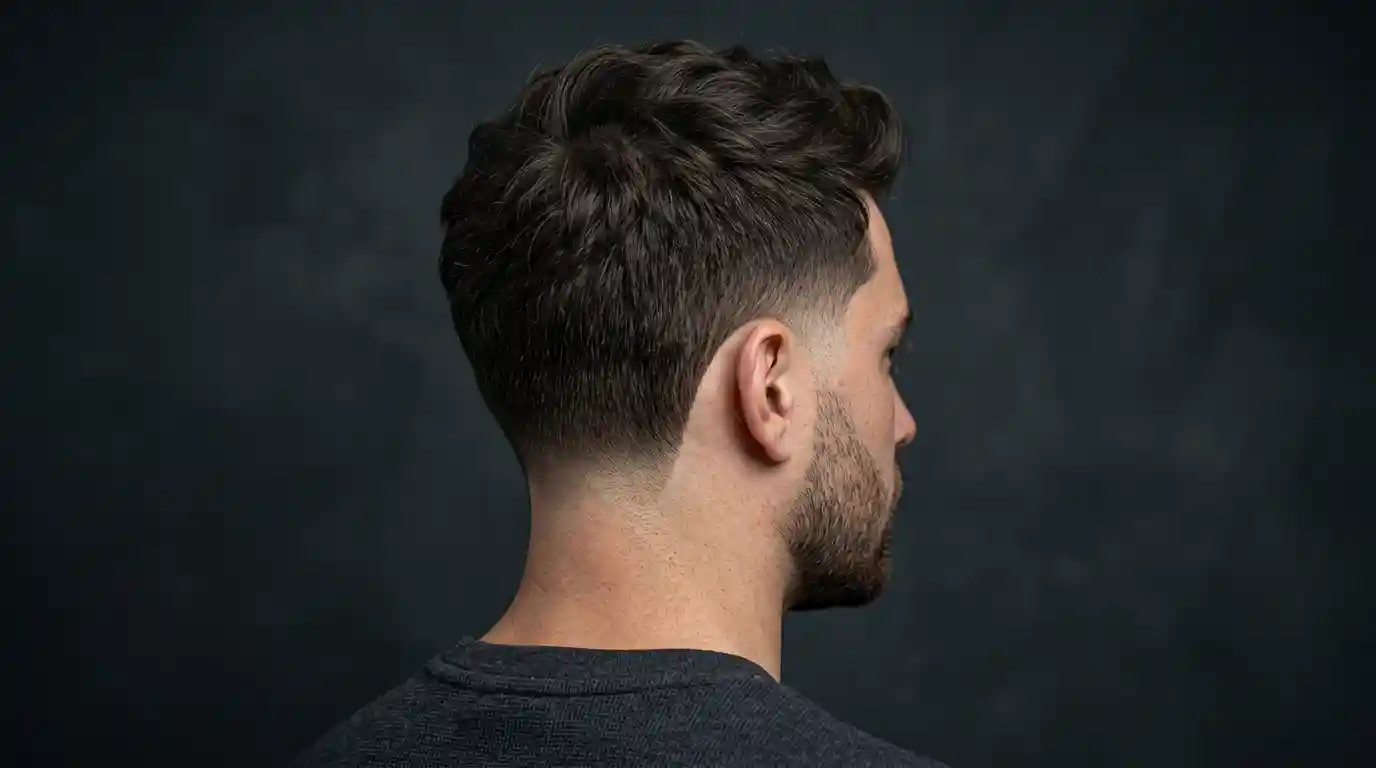
How the drop curve follows the head behind the ear
The most recognizable feature is the curved arc running behind the ear.
In a conventional fade, the transition may follow a relatively level path from the temple toward the back.
In a drop fade, the transition gradually descends as it passes behind the ear, following the contour of the skull before continuing toward the rear.
This creates a rounded silhouette rather than a straight horizontal band.
The curve is especially noticeable from a rear three-quarter view.
A well-executed drop should look intentional and balanced. It should neither fall suddenly into a sharp corner nor appear like an accidental uneven fade.
The lowest section can be positioned relatively close to the nape or higher on the back, depending on the requested fade height and drop depth.
The barber must consider the natural head contour to ensure the curved transition looks proportionate.
How the taper blends the sides and neckline
A taper gradually reduces hair length toward the perimeter of the haircut.
In a traditional taper, the most noticeable shortening occurs near the sideburns and neckline, while much of the surrounding hair remains comparatively full.
When combined with a drop-shaped transition, the barber can maintain this controlled blending while allowing the lower fade boundary to descend behind the ears.
The result typically retains more visual weight than an aggressive, high drop fade.
However, the exact extent of the faded area depends on the barber’s interpretation.
A conservative version might clean up the temples and neckline while preserving most of the sides.
A stronger version may blend a larger section of the sides and rear into progressively longer hair.
The essential requirement is a smooth transition without visible steps, dark bands, or abrupt disconnected sections unless a disconnected style is specifically requested.
How fade height, drop shape, and shortest length differ
Three separate decisions determine the appearance of a drop taper haircut: fade height, drop shape, and shortest cutting length.
Fade height describes how far upward the shorter section extends. Low, mid, and high versions use different vertical placements.
Drop shape describes how sharply or gently the fade line curves downward behind the ear. A shallow drop appears subtle, while a deeper drop creates a more pronounced arc.
Shortest length determines the amount of scalp exposure. A guarded finish leaves visible hair, while a skin-level finish removes almost all visible hair at the shortest point.
These features can be combined independently.
For example, a low drop taper may begin with a very short clipper setting but keep the faded section close to the lower hairline.
A high drop taper may use a longer guard at its shortest point, creating a larger faded area without exposing bare skin.
Understanding these differences makes barber consultations much more accurate.
How the neckline and nape affect the finished shape
The neckline is especially important because the drop curve changes the distribution of hair around the back of the head.
A natural neckline follows the existing hair growth pattern and usually creates a softer appearance.
A tapered nape gradually shortens the hair toward the neck, allowing the drop curve to blend smoothly into the lower perimeter.
A blocked neckline creates a more defined edge, although this may become noticeable as the hair grows.
For longer hairstyles, such as a modern mullet, the barber may preserve additional length beneath the curved fade.
The occipital area, which forms the rounded projection at the back of the skull, can also influence where the curve looks most balanced.
A person with a flatter occiput may benefit from additional weight higher on the back.
The best neckline finish complements the haircut’s overall silhouette rather than being treated as an unrelated detail.
Drop Taper vs. Other Fades
Different fade names are often used interchangeably, but their shapes and cutting areas are not always the same.
The most useful comparisons involve the location of the shortest hair, how much of the sides are faded, and whether the transition curves downward behind the ears.
Drop taper vs. regular taper
A regular taper focuses on shortening hair around the sideburns and neckline while preserving more length throughout the sides.
The transitions are generally localized to the edges.
A drop taper introduces a curved or descending transition behind the ear, although a conservative version can still preserve much of the traditional taper’s fullness.
A temple taper haircut is another option when you mainly want the temple and sideburn areas cleaned up without committing to a pronounced curved fade.
The primary visual difference is the back-of-ear shape.
A regular taper emphasizes gradual edge cleanup. A drop taper emphasizes how the blend follows the head contour.
Choose the regular taper for the most restrained result, or choose a drop taper when you want a curved silhouette with additional definition.
Drop taper vs. drop fade
The difference between a drop taper and a full drop fade is mainly the extent of the shortened area.
A conventional drop fade typically carries the faded section across a substantial portion of the sides and back, with the fade line dipping behind the ear.
A drop taper generally describes a softer or more localized interpretation of that shape.
Some barbers use both names for closely related cuts, making visual references essential.
| Feature | Drop Taper | Drop Fade |
| Main emphasis | Gradual blending with a descending shape | Continuous curved fade across the sides and back |
| Side coverage | Often more hair preserved | Usually more extensive fading |
| Fade contrast | Soft to strong | Moderate to very strong |
| Neckline | Often retains a subtle taper | More fully integrated into the fade |
| Best for | Controlled, versatile styling | More noticeable fade definition |
| Grow-out appearance | Often softer | Strong contrast can become less defined sooner |
The terminology may vary between barbershops.
Rather than relying only on the phrase taper drop haircut, describe how much hair you want removed and show the precise fade placement in a reference photo.
Drop taper vs. low, mid, and high fades
Low, mid, and high fades describe height rather than curve.
A low fade begins relatively close to the lower hairline.
A mid fade positions the transition around the middle of the sides.
A high fade removes more weight from the upper sides and creates a larger short section.
A drop taper can incorporate any of these heights.
A low drop taper combines a lower fade placement with a descending curve behind the ear.
A mid drop taper creates greater definition around the sides while maintaining the characteristic arc.
A high drop taper positions more of the fade higher on the head, although its lower boundary still follows a downward curve behind the ear.
The main point is that drop describes the shape, while low, mid, and high describe the approximate height.
Drop taper vs. burst fade
Both drop and burst fades use curved shapes, but they affect different parts of the head.
A drop taper descends behind the ears and continues into the back of the hairstyle.
A burst fade creates a rounded, semicircular transition concentrated around the ear.
In a traditional burst fade, more length is often preserved behind the faded area, especially when paired with a mullet or mohawk.
The burst fade taper haircut provides a useful comparison if you prefer a distinct semicircular fade centered around each ear rather than a descending transition across the back.
A drop taper generally produces a more continuous rear silhouette, while a burst fade creates a localized rounded accent.
Drop taper vs. skin fade
A skin fade describes the shortest cutting length rather than the shape of the transition.
The shortest area is cut down to bare or nearly bare skin before gradually blending into longer hair.
A drop taper can have a skin finish, but it does not have to.
For example, a low drop taper may use a number one guard at its shortest point, preserving visible stubble.
Another low drop taper may begin at skin level, creating much stronger contrast.
The skin taper haircut explores this close-cut finish in a more general taper context.
If you like the drop-shaped arc but have sensitive skin, ask for a guarded finish instead of an exposed-skin fade.

Drop Taper Heights and Finishes
The drop taper can be customized through its height, contrast, and shortest cutting length.
These choices determine how dramatic the haircut appears and how much maintenance it requires.
Low drop taper
A low drop taper haircut keeps the faded section near the lower sides and allows the curved transition to descend naturally behind the ear.
Because the transition remains low, more hair is preserved above the ear and throughout the upper sides.
This creates a relatively subtle silhouette.
The low variation works well with professional hairstyles, textured crops, side parts, curls, and medium-length tops.
It is also a practical starting point for anyone trying a drop-shaped fade for the first time.
The barber can create either a soft guarded finish or a sharper skin-level finish without raising the overall fade.
Best for: First-time drop taper wearers, conservative styling preferences, and people who want additional side coverage.
Styling tip: Keep the top lightly textured and avoid excessive height if you want a balanced, understated appearance.
Mid drop taper
A mid drop taper positions the blended transition higher on the sides while allowing the fade line to dip toward the back.
This version provides stronger definition without exposing as much upper-side area as a high fade.
The curved shape is usually easy to recognize from both the side and rear views.
A mid drop taper works particularly well with thick hair, curly tops, quiffs, short modern mullets, and textured fringes.
It can also help reduce excessive bulk around the lower sides.
The barber should keep the curve proportional to the head shape so the fade does not appear too steep behind the ear.
Best for: People seeking a balance between visible fade definition and versatile everyday styling.
Styling tip: Use a product that enhances the top’s natural texture while keeping the curved fade unobstructed.
High drop taper
A high drop taper extends the shorter transition farther upward on the sides while retaining the descending shape toward the rear.
This variation creates stronger contrast between the top and surrounding hair.
The high placement is especially noticeable with dense curls, tall quiffs, pompadours, and mohawk-inspired hairstyles.
Because more hair is removed, the haircut can make the top appear narrower or more prominent.
That effect may be desirable for a bold style but less suitable when someone wants to preserve fullness around the temples.
A high drop taper requires careful blending to prevent the curve from becoming too angular.
Best for: Strong contrast, dense hair, expressive hairstyles, and people who prefer clearly visible fades.
Styling tip: Balance the shortened sides with a proportionate top rather than creating excessive height automatically.
Skin or bald drop taper
A skin drop taper takes the shortest area down to bare or nearly bare skin.
The barber then blends upward through gradually increasing lengths, maintaining the descending shape behind the ear.
This creates a crisp, high-contrast finish.
The skin-level area can be small and low or more extensive, depending on the requested fade height.
A bald drop taper is often visually striking immediately after a haircut because the difference between exposed skin and darker hair is pronounced.
However, regrowth becomes noticeable relatively quickly.
People prone to razor bumps or irritation may prefer a close clipper finish rather than a foil-shaved or razor-finished result.
Best for: Sharp definition, high-contrast hairstyles, and people comfortable with frequent touch-ups.
Styling tip: Keep the scalp clean and use gentle skin-care products around closely cut areas.
Guarded drop taper
A guarded drop taper leaves a short layer of visible hair at the lowest point instead of shaving to bare skin.
The barber uses clipper guards to establish different lengths and create a gradual transition.
For example, a shorter guard may be used near the perimeter, followed by progressively longer settings through the surrounding hair.
A zero taper haircut is another close-cut variation worth comparing when deciding how short the perimeter should be.
However, clipper terminology can vary. A zero guard, bare adjustable blade, and skin-shaved finish do not necessarily produce identical lengths.
The barber should confirm the actual finish before cutting.
Best for: Low-maintenance grooming, scalp coverage, and people who dislike exposed-skin fades.
Styling tip: A guarded finish pairs well with short crops, waves, and traditional side parts.
High-contrast drop taper
A high-contrast drop taper emphasizes the difference between the shortest faded area and the longer hair above it.
This does not necessarily require a high fade.
A low drop taper can still be high contrast when the shortest area approaches skin level and the surrounding hair is particularly dense.
The contrast is especially visible on dark, thick, or tightly curled hair.
The barber must carefully refine the blending to prevent visible guard lines.
For a dramatic appearance, pair the fade with a textured top, defined curls, or a sharp line-up.
Best for: Bold grooming styles and people who want the curved arc to stand out clearly.
Natural drop taper with a soft finish
A natural drop taper keeps the curved shape understated by preserving additional hair near the perimeter.
Rather than creating a dramatic light-to-dark transition, the barber uses closely related clipper lengths to produce a subtle blend.
This is similar in spirit to a shadow taper haircut, where short hair remains visible through the fading area.
The natural finish is forgiving during grow-out because the difference between neighboring lengths is less pronounced.
It also works well when scalp sensitivity makes skin-level cutting undesirable.
Best for: Professional hairstyles, sensitive skin, longer intervals between appointments, and subtle grooming preferences.

Drop Taper Styles and Pairings
A drop taper is not a complete top hairstyle by itself.
It describes how the sides and neckline are shaped, which means it can be combined with numerous hair lengths and textures.
The following drop taper haircut styles show how the curved fade can complement classic, modern, short, and long hairstyles.
Classic low drop taper
The classic low drop taper keeps the hairstyle simple, neat, and proportionate.
The fade begins near the lower sides, curves gently behind the ears, and connects to a tidy neckline.
The top usually remains short or medium-length and follows the natural direction of hair growth.
Unlike more dramatic variations, this haircut preserves sufficient fullness to avoid an overly exposed appearance.
It works well with straight, wavy, or lightly curly hair.
Best for: Everyday grooming, professional environments, and men who prefer a traditional appearance.
Styling tip: Apply a lightweight styling cream or small amount of pomade for natural control.
Drop taper with a textured top
A drop taper with a textured top combines a clean curved fade with deliberately separated strands above.
The barber may use layering, point-cutting, or controlled texturizing to introduce movement.
The top can remain short, medium-length, or slightly longer depending on the desired appearance.
The contrast between the structured fade and relaxed texture creates a balanced modern haircut.
Thick straight and wavy hair often respond well to this combination, although the amount of weight removal should match the hair’s density.
Best for: Men who want a fashionable haircut without a rigid styling routine.
Styling tip: Work matte paste through dry hair using your fingers to create visible separation.
Drop taper with a short crop
A short crop drop taper features a compact top with minimal overall length.
The barber creates a tidy shape using clippers, scissors, or both, while introducing the drop-shaped fade along the sides and rear.
The top usually sits naturally without requiring significant height.
Because the hair is relatively short, the curved fade becomes an important visual feature.
This variation is practical for people who exercise frequently, prefer short hair, or dislike spending time styling.
Best for: Active lifestyles, warm weather, and minimal daily grooming.
Styling tip: Use a small amount of lightweight product or leave the hair natural.
Drop taper with a French crop
The French crop drop taper combines a short textured top with a forward-facing fringe.
The fringe normally sits along the forehead, creating a defined front shape.
The drop taper removes bulk around the lower sides while preserving a rounded transition behind the ears.
A blunt fringe gives the haircut a structured appearance, while an irregular textured fringe creates a softer style.
This combination works especially well with straight or wavy hair.
Best for: Men who want a recognizable short haircut with controlled styling.
Styling tip: Apply matte clay to the fringe and separate the ends gently with your fingers.
Drop taper with a textured fringe
A textured fringe drop taper places visual emphasis on the hair falling toward the forehead.
The fringe may be choppy, layered, or softly separated.
Unlike a very short French crop, the top can retain more length and movement.
The curved fade keeps the sides controlled, preventing the forward-styled hair from appearing too heavy.
This style can help soften a prominent forehead and create a more casual appearance.
Best for: Straight or wavy hair and people who prefer movement around the forehead.
Styling tip: Use texturizing spray or matte paste to create separation without flattening the fringe.
Drop taper with a messy fringe
A messy fringe drop taper combines a deliberately relaxed front section with a clean, curved fade.
The top is typically layered to encourage irregular movement rather than a perfectly uniform outline.
Loose waves and naturally textured hair work especially well.
The barber should avoid excessive thinning if the hair is already fine, since removing too much density can make the fringe appear sparse.
The difference between the tidy fade and tousled fringe creates a modern, casual silhouette.
Best for: Teenagers, young adults, casual styling, and wavy hair.
Styling tip: Apply a small amount of lightweight styling paste and arrange the fringe with your fingers.
Drop taper with curls or permed curls
A curly drop taper preserves natural or chemically created curls on top while gradually shortening the sides.
The curved fade helps frame the curls and prevents excessive bulk around the ears.
A low drop taper creates a fuller silhouette, while a mid drop taper emphasizes the difference between the curls and shortened sides.
The barber should consider shrinkage when choosing top length.
Permed curls can also complement the hairstyle, but chemically treated hair may require additional conditioning and gentle styling.
Best for: Naturally curly hair, permed hairstyles, and people who want to preserve curl definition.
Styling tip: Apply curl cream to damp hair, scrunch gently, and air-dry or diffuse on low heat.
Drop taper with medium waves or 360 waves
A drop taper can complement short wave hairstyles, including 360 waves.
The curved taper defines the perimeter while allowing the wave pattern to remain visible across the top and surrounding sections.
For a low drop taper with medium waves, the barber should avoid cutting too deeply into areas where the wave pattern needs consistent length.
A relatively low fade helps preserve coverage around the sides.
Regular brushing, appropriate conditioning, and consistent hair-length management are important for maintaining waves.
The taper should enhance the pattern rather than interrupt it unnecessarily.
Best for: Short afro-textured hair and people maintaining wave patterns.
Styling tip: Use a suitable wave brush and lightweight moisturizer without excessive product buildup.
Drop taper with a fluffy top
A fluffy top drop taper features soft, airy volume above a neat curved fade.
The hairstyle usually relies on natural movement, controlled layering, and light styling products.
The top should appear full without looking stiff or heavily coated.
Straight and wavy hair are common choices because they can be lifted easily with a blow dryer.
The drop taper provides definition below the fuller upper section.
Best for: Medium-length hair, soft textured styles, and people who want natural-looking volume.
Styling tip: Use a lightweight pre-styler and blow-dry the roots gently while lifting the hair with your fingers.
Drop taper with spiky texture
A spiky drop taper combines short, upward-styled sections with a curved transition around the back.
The spikes may be subtle and irregular or more clearly defined.
The barber generally leaves enough top length for the hair to stand while keeping the surrounding sides controlled.
Short, thick straight hair often supports this hairstyle naturally.
The curved fade provides a modern contrast to the vertical texture.
Best for: Short-to-medium straight hair and people who enjoy defined styling.
Styling tip: Use matte wax or strong-hold paste sparingly, shaping individual sections without creating a greasy finish.
Drop taper with a quiff or wavy quiff
A quiff drop taper combines elevated hair at the front with a descending fade behind the ears.
The quiff creates visual height while the taper removes excess weight from the lower sides.
The front can be neatly lifted or styled into loose waves.
A low drop taper offers a more classic appearance, while a mid drop taper creates stronger contrast.
The haircut works particularly well when the top has enough length to create movement.
Best for: Straight and wavy hair, medium-length tops, and men who enjoy styling with a blow dryer.
Styling tip: Lift the front with warm air and finish with medium-hold matte paste.
Drop taper with a side part
A side part drop taper combines a traditional parting line with a modern curved fade.
The top is divided along a natural or deliberately created part, allowing the hair to flow sideways.
The fade can remain low and subtle for a professional appearance.
A slightly higher drop adds modern definition without changing the top’s classic structure.
This haircut works best when the barber follows the hair’s natural growth direction.
Best for: Business-casual grooming, formal occasions, and classic styling preferences.
Styling tip: Comb the hair along its natural part and use a flexible-hold product to maintain shape.
Drop taper comb over
A drop taper comb over features hair directed across the top toward one side.
Unlike a simple side part, the comb over emphasizes the direction and flow of the longer hair.
The drop taper introduces a curved fade beneath this structured upper section.
A softer low drop creates a traditional appearance, while a mid drop provides stronger contrast.
The barber should preserve enough top length to achieve the desired sweep without exposing unwanted gaps.
Best for: Straight or wavy medium-length hair and neatly styled everyday looks.
Styling tip: Use a comb and light pomade while the hair is slightly damp.
Drop taper slick back
A slick back drop taper keeps the top longer and directs it toward the rear of the head.
The curved fading creates a clean transition around the sides while the upper hair remains smooth and controlled.
The amount of shine depends on the styling product.
A glossy pomade produces a traditional slicked appearance, while matte cream creates a softer contemporary look.
The drop curve can complement the backward movement of the hair.
Best for: Medium-to-long straight or wavy hair and people who prefer polished styling.
Styling tip: Apply product evenly before combing backward, allowing some natural volume at the roots.
Drop taper pompadour
A pompadour drop taper features pronounced volume at the front, with the hair lifted and directed backward.
The curved fade reduces bulk at the lower sides and emphasizes the height of the pompadour.
Thick hair can create substantial volume, while finer hair may need lightweight pre-styling products.
The barber should maintain enough side weight to balance the raised top.
An excessively high drop may make the hairstyle appear top-heavy.
Best for: Medium-length hair, formal hairstyles, and people who like pronounced volume.
Styling tip: Use a round brush and blow dryer to build height before applying pomade or styling paste.
Drop taper with an Edgar cut
The Edgar cut drop taper combines a defined fringe with a curved fade.
The fringe is often straight or slightly textured, creating a prominent outline across the forehead.
Instead of using a completely level fade around the head, the barber allows the shorter section to descend behind the ear.
The top may be cropped, textured, or left slightly fuller.
This produces a variation that combines the Edgar cut’s strong front shape with the rounded rear silhouette of a drop taper.
Best for: Thick straight or wavy hair and people who prefer clearly defined fringe hairstyles.
Styling tip: Maintain the fringe shape with light matte product and avoid overloading the top.
Drop taper with a faux hawk
A faux hawk drop taper features longer hair along the central upper section, styled upward or toward the middle.
The sides remain shorter, but the transition is generally softer than a traditional shaved mohawk.
The drop taper creates a curved frame for the central hairstyle.
A mid or high drop can make the faux hawk more noticeable, while a low drop provides a more relaxed version.
Best for: Thick hair, textured hair, and people who want a distinctive but wearable hairstyle.
Styling tip: Use medium-to-strong hold paste to lift the central section while leaving some natural texture.
Drop taper with a mohawk
A drop taper mohawk combines a pronounced central strip of hair with shorter blended sides.
The barber preserves length through the center while shaping the surrounding area with a descending fade.
This style can look bold and sculpted, particularly when the central hair is curly, spiked, or naturally textured.
Unlike a traditional mohawk with completely shaved sides, the tapered version can retain a gradual transition.
The width of the central section determines how dramatic the haircut appears.
Best for: Expressive hairstyles, thick hair, and people comfortable with noticeable contrast.
Styling tip: Choose a strong-hold product when the central section needs vertical structure.
Drop taper mullet or modern mullet
A drop taper mullet combines shorter, curved fading around the sides with visibly longer hair toward the rear.
The drop-shaped transition follows the head behind the ears while allowing selected sections of the nape to retain length.
The barber must carefully control where the fade ends so the longer back remains intentional.
A modern mullet may feature a textured fringe, loose curls, layered rear sections, or a short crop on top.
The result is different from a classic burst fade mullet because the drop curve generally continues farther across the back.
Best for: Medium-length hair, textured hairstyles, and people who want a modern interpretation of the mullet.
Styling tip: Apply lightweight cream to the longer rear section to preserve movement and reduce frizz.
Drop taper with a buzz cut
A buzz cut drop taper combines a uniformly short top with a curved fade near the sides and neckline.
The top is usually cut using a consistent clipper guard, although slight differences in length can be used for shaping.
Because there is little top volume, the fade’s precision becomes particularly important.
A low drop helps preserve a balanced silhouette, while a higher drop creates stronger definition.
The haircut generally requires minimal daily styling.
Best for: Short hair preferences, active lifestyles, and people who want a straightforward routine.
Styling tip: Focus on scalp care rather than heavy styling products.
Drop taper crew cut
A crew cut drop taper combines a short, slightly longer front with a gradually shorter crown and clean faded perimeter.
The top retains enough length for light styling, but it remains practical.
The drop curve adds visual interest without requiring a dramatic hairstyle.
A low or mid drop usually works well because it complements the compact upper shape.
The hairstyle can suit straight, wavy, and some curly hair types.
Best for: Professional grooming, active lifestyles, and minimal styling.
Styling tip: Use a small amount of matte paste to add subtle texture at the front.
Drop taper with an undercut
An undercut drop taper combines a longer upper section with noticeably shorter sides.
The undercut may create a strong separation between the top and lower sections, while the drop taper shapes the shorter area around the back.
This combination needs careful planning because the disconnected top and descending fade are two different design features.
A pronounced undercut can create a bold silhouette, especially with slicked-back or textured hair.
For a softer look, the barber can blend part of the upper connection.
Best for: Medium-to-long hair and people who want a strong difference between the top and sides.
Styling tip: Use a product with enough hold to control the longer top without making it excessively stiff.
Drop taper with a man bun
A man bun drop taper preserves enough length on top to tie the hair back while cleaning up the sides and neckline.
The drop-shaped taper can add definition without removing the length needed for the bun.
A low version is usually more practical when growing or maintaining long hair.
The barber should discuss whether the shorter sections will remain visible when the hair is tied.
Very high fades can change the appearance of the bun and may require a longer grow-out period if the wearer later prefers uniform length.
Best for: Long hair, tied-back hairstyles, and people wanting cleaner perimeter grooming.
Styling tip: Avoid tying the bun excessively tightly, as repeated tension can contribute to hairline damage.
Drop taper with long or short hair
A drop taper can complement both short and long hairstyles.
With short hair, the fade becomes a prominent design feature because the upper sections provide less volume.
With longer hair, the curved taper adds definition while preserving movement and styling flexibility.
A short drop taper may be paired with a crew cut, crop, or buzz cut.
Longer versions can support a slick back, man bun, layered hairstyle, or modern mullet.
The appropriate fade height depends on how much of the longer hair should remain visible.
Best for: Anyone wanting a curved fade without committing to a single top length.
Styling tip: Match the styling product to the top hairstyle rather than the fade itself.
Drop taper with a beard
A drop taper with a beard creates a smooth visual connection between the sideburns and facial hair.
The barber may gradually adjust the upper beard length to complement the taper near the ears.
A low drop taper with a short beard produces a balanced everyday appearance.
A higher-contrast fade paired with a full beard can create a stronger outline around the jaw.
The beard does not have to be faded dramatically to match the haircut.
A natural connection may work better when facial hair density is uneven.
Best for: Men with short, medium, or full beards.
Styling tip: Keep the sideburn blend gradual and maintain a beard neckline that suits your face shape.
Drop taper with a line-up
A line-up, also called an edge-up, adds a clearly defined outline around the forehead, temples, or sideburns.
When combined with a drop taper, it creates stronger geometric definition.
The curved fade remains the main feature along the sides and back, while the line-up emphasizes the front hairline.
A natural hairline should guide the shape.
Creating an artificially low or excessively sharp edge may produce an unnatural appearance as the hair grows.
Best for: People who prefer crisp outlines and carefully maintained hairstyles.
Styling tip: Avoid frequent aggressive line-ups that repeatedly remove healthy hair from the natural edge.
Drop taper with a hard part or hair design
A hard part introduces a narrow shaved line where the hair naturally separates.
When combined with a drop taper, it adds structure above the curved fading.
Hair designs may include geometric lines, subtle curves, or other patterns in the shorter section.
Simple designs often work best because the drop curve already provides a distinctive shape.
More complex artwork requires additional barbering precision and maintenance.
Best for: Personalized hairstyles, sharp grooming details, and expressive looks.
Styling tip: Choose a design that follows the haircut’s natural geometry instead of crossing the fade awkwardly.
Drop taper with blonde hair
A drop taper with blonde hair can create a distinctive visual effect because lighter hair interacts differently with the scalp and fade gradient.
Natural blonde hair may show lower contrast against fair skin, making the transition appear softer.
Dark roots or a darker natural base beneath dyed blonde hair can create a stronger contrast.
The haircut can be paired with a blonde textured crop, quiff, messy fringe, or modern mullet.
For bleached hair, the barber should consider any dryness or breakage before using aggressive cutting or styling techniques.
Best for: Natural blonde hair, highlighted styles, and people experimenting with color.
Styling tip: Use conditioning products appropriate for color-treated hair and avoid unnecessary high heat.
Drop taper with an afro
A drop taper afro combines natural afro-textured volume with a curved transition around the lower sides and back.
The afro may remain rounded, slightly elongated, or shaped into a more angular silhouette.
The drop curve can complement the natural head shape and create a clean perimeter.
A low drop preserves more fullness, while a mid drop introduces stronger definition.
Because coily hair shrinks as it dries, the barber should account for the final natural shape before removing length.
Best for: Dense natural curls and afro-textured hairstyles.
Styling tip: Use a suitable leave-in conditioner and gently shape the hair without excessive pulling or heat.
Drop taper with twists
A drop taper with twists maintains textured or two-strand twists on top while cleaning the lower sides and neckline.
The twists create visible texture above the curved fade.
The barber should work around the twisted sections without cutting into the base of the hairstyle.
A low drop taper can preserve enough surrounding hair for a fuller appearance.
A mid drop provides more separation between the twists and shorter sides.
Best for: Twisted natural hairstyles and people who prefer defined texture with neat edges.
Styling tip: Keep the twists moisturized and avoid excessive pulling or tight styling near the hairline.
Drop taper with dreads or locs
A drop taper with locs combines longer locked hair with a shorter curved fade around the perimeter.
The locs may remain loose, be tied back, or be arranged into another style.
The barber needs to understand where the locs begin to avoid cutting into sections intended for continued growth.
A low drop taper usually preserves more hair around the base of the locs.
A higher fade creates a stronger undercut-like effect but can reduce future styling flexibility.
Best for: Short or long locs and people wanting a clean outline beneath longer hair.
Styling tip: Maintain healthy scalp care and avoid excessive tension from tight ponytails or pulled-back loc styles.
Drop taper for children and teens
A drop taper can be adapted for children and teenagers by using a simple curve and manageable top length.
A low guarded drop taper often provides a practical school-friendly appearance.
Teenagers may prefer a textured fringe, fluffy top, curly style, or a more noticeable mid drop.
For younger children, a comfortable clipper-only finish may be preferable to skin-level shaving.
The barber should prioritize a straightforward shape that remains manageable as the hair grows.
Best for: School-friendly hairstyles, active children, and teens who enjoy modern fades.
Styling tip: Choose easy-to-wash products and avoid unnecessary heat styling or aggressive hairline shaping.
Drop taper for a clean business style
A professional drop taper combines controlled fade placement with a neat upper hairstyle.
A low drop and guarded finish usually create a more restrained appearance than a high skin fade.
The top can be styled into a side part, comb over, short crop, crew cut, or modest quiff.
A natural or lightly tapered neckline helps the haircut grow out neatly.
In conservative workplaces, minimal designs and moderate contrast may be preferable.
Actual suitability depends on the workplace dress code and grooming expectations.
Best for: Office settings, formal occasions, and people who want a modern haircut without dramatic contrast.
Styling tip: Use low-shine cream or light pomade for a polished finish.
Who Suits a Drop Taper?
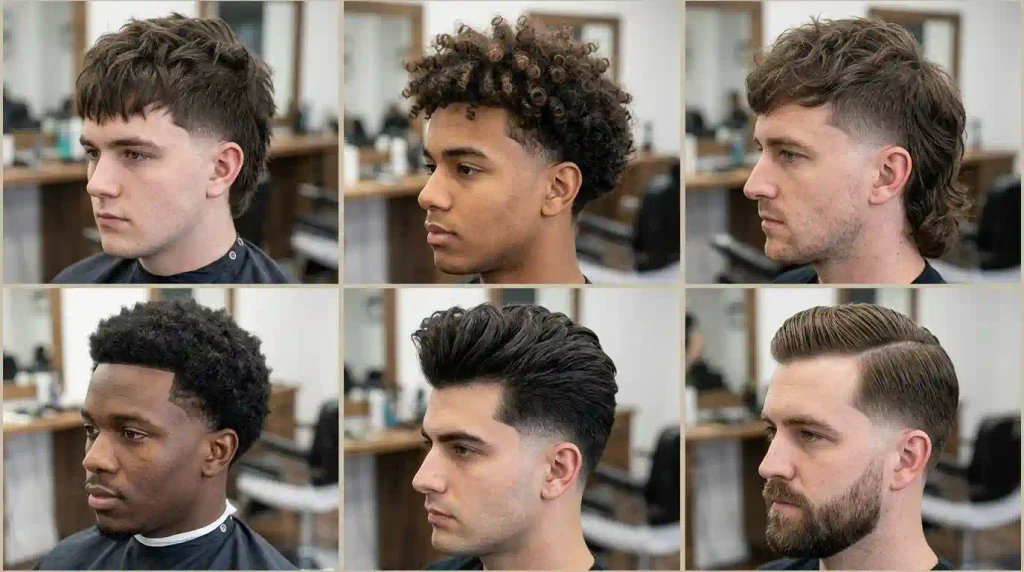
The drop taper haircut can suit many face shapes and hair types, but the most flattering version depends on proportion.
The curved fade should complement the natural head shape, the amount of top volume, and the wearer’s preferred styling routine.
Choosing a drop taper for your face shape
Face shape provides a useful starting point when choosing fade height and top styling.
| Face Shape | Suggested Drop Taper | Styling Approach |
| Oval | Low, mid, or high | Choose according to preferred contrast |
| Round | Low or mid drop | Add controlled height on top |
| Square | Low or mid drop | Use balanced texture to complement the jawline |
| Diamond | Low drop with some side fullness | Avoid removing excessive weight near the temples |
| Heart-shaped | Low drop | Preserve enough lower-side fullness for balance |
| Oblong | Low drop | Avoid excessive vertical height on top |
An oval face generally supports a broad range of hairstyles because its proportions are relatively balanced.
For a round face, a quiff or textured brush-up may add vertical emphasis.
People with oblong faces may prefer a fringe or moderate top height instead of a tall pompadour.
For square faces, a low or mid drop can complement a defined jawline without making the upper head appear excessively narrow.
These suggestions are not strict rules. Individual facial features, beard shape, and personal preferences can matter more than the general face-shape category.
How head shape and the drop curve affect the silhouette
The drop curve follows the contour of the skull, making head shape particularly important.
A rounded occipital area can support a smooth descending transition.
A flatter occiput may benefit from retaining additional hair higher on the back, creating the appearance of more fullness.
If the barber removes too much weight from this area, the back can appear flatter.
The ears also affect fade placement.
Prominent ears may become more noticeable when a high drop removes substantial surrounding coverage.
A lower curve with more hair preserved above the ears can create a softer appearance.
The barber should inspect the head from the side and rear rather than planning the fade only from a front-facing view.
How top height and side length affect facial proportions
The relationship between the top and sides determines how the entire haircut frames the face.
A high-volume top with closely faded sides creates a taller, narrower impression.
A shorter top with fuller sides produces a more balanced or compact silhouette.
For a round face, moderate height can create useful visual balance.
For a narrow or elongated face, excessive height may exaggerate length.
Hair density also affects these proportions.
Thick hair can create natural volume without extensive styling, while fine hair may require careful product selection and blow-drying.
The ideal drop taper should support the hairstyle above it rather than becoming the only noticeable feature.
Choosing a drop taper for straight, wavy, curly, or coily hair
Different hair textures produce different visual results.
Straight hair: Creates a clean fade gradient, but uneven guard transitions may be more visible. A textured crop, comb over, or quiff can complement the drop.
Wavy hair: Provides natural movement and works well with fringes, loose quiffs, and medium-length textured styles.
Curly hair: Produces strong volume above the faded area. The barber should account for curl shrinkage when shaping the top.
Coily hair: Creates pronounced contrast between dense natural texture and shorter faded sections. A low or mid drop can preserve attractive fullness.
Afro-textured hair can also support waves, twists, locs, and other styles with a drop taper.
The best cutting approach depends on how the hair behaves naturally, not simply on its broad texture category.
Choosing a drop taper for thick, fine, or thinning hair
Thick hair usually provides enough density for a clearly defined drop curve.
However, excessive weight around the upper sides can create a bulky ridge above the fade.
The barber may use controlled layering or clipper-over-comb techniques to soften the transition.
Fine hair requires a more conservative approach.
A low drop taper can preserve additional coverage, while a high skin-level fade may expose too much scalp.
For thinning hair, the barber should evaluate where density is reduced before positioning the shortest area.
A compact textured crop or short side part may create a fuller visual impression.
Thinning shears should be used carefully because excessive removal can make low-density hair look even thinner.
Working with a receding hairline or cowlick
A drop taper does not automatically conceal a receding hairline, but its placement can help balance the overall hairstyle.
If the temples are thinning, preserving some length around the upper sides may avoid emphasizing sparse areas.
The barber should follow the natural hairline rather than creating an artificial front edge.
Cowlicks can also affect the finished cut.
A cowlick near the crown may cause short hair to stand upright.
A strong nape cowlick can make the neckline appear uneven as it grows.
Instead of cutting every section to the same length, the barber may leave extra coverage where the growth direction requires it.
Matching the cut to your workplace and styling routine
A haircut should suit the time you are willing to spend maintaining it.
A low guarded drop taper with a short top may require only a few minutes of daily grooming.
A pompadour or long quiff can need regular blow-drying and product application.
A skin-level finish may require frequent barber visits to preserve its sharpness.
For professional environments, a natural drop with a side part or short crop offers a relatively understated option.
A higher fade with elaborate designs or a dramatic mullet creates a more expressive appearance.
Choose a version that suits your lifestyle and remains acceptable as the hair grows between appointments.
Choosing Your Drop Taper
Before visiting the barbershop, decide what you want from the sides, top, and neckline.
The most important choices are fade height, shortest length, top styling, and desired contrast.
Choosing the fade height
Start by deciding how much hair you want preserved above the ears.
A low drop is the safest choice for people wanting subtle definition.
A mid drop removes more weight and makes the curve more noticeable.
A high drop creates greater contrast but changes the head silhouette more dramatically.
Do not choose fade height based only on a photograph showing a different hair texture or head shape.
A style that looks balanced on thick, curly hair may appear much more exposed on fine, straight hair.
When uncertain, begin with a lower fade. Your barber can take it higher during the appointment if needed.
Choosing a skin or guarded finish
Skin-level finishes create a sharp transition between bare scalp and longer hair.
Guarded finishes preserve short hair at the base and produce a softer appearance.
The shortest setting also affects maintenance.
A skin drop taper can lose its freshly cut contrast quickly as stubble appears.
A guarded drop taper usually has a less dramatic change during the first several weeks.
People with sensitive skin, razor bumps, or recurring irritation may prefer a longer clipper setting.
Ask your barber to show the approximate length before choosing a zero, half, or skin-level finish.
Choosing the top length and style
The top length determines how much styling flexibility you have.
A short top of roughly one to two inches may support a crop, short fringe, or crew cut.
A medium top of approximately two to four inches offers additional options for quiffs, comb overs, and textured hairstyles.
Longer hair can support slick backs, man buns, mullets, and flowing layered styles.
These measurements are general examples, not fixed haircut requirements.
Curly hair often needs more actual length to achieve the same visible height as straight hair.
Explain whether your priority is preserving length, adding texture, reducing bulk, or changing the overall silhouette.
Balancing contrast with maintenance needs
High-contrast fades look particularly sharp immediately after cutting, but their appearance changes quickly as the shortest hair grows.
If you want the fade to remain consistently crisp, frequent touch-ups may be necessary.
A soft drop taper can look natural for a longer period because the differences between neighboring lengths are smaller.
Maintenance also includes styling the top and keeping the neckline tidy.
A short crop with a guarded drop can be relatively convenient.
A skin drop with a pompadour, precise line-up, and beard fade requires more effort.
Consider how often you want to visit the barber before committing to a highly detailed style.
Quick drop taper decision guide
| Your Goal | Recommended Style |
| First drop taper haircut | Low guarded drop taper |
| Clean office hairstyle | Classic low drop with side part |
| Balanced modern look | Mid drop with textured top |
| Strong fade contrast | Skin drop taper |
| Fuller curly hairstyle | Low or mid curly drop taper |
| Very short haircut | Buzz cut or crew cut drop taper |
| Longer back section | Modern mullet drop taper |
| Natural afro volume | Low drop taper afro |
| Fine or thinning hair | Low drop with preserved side coverage |
| Minimal styling | Short crop with guarded drop |
| Bold styling | High drop with faux hawk or pompadour |
| Sensitive scalp | Soft clipper-only drop taper |
If you want to compare additional transition shapes before selecting a haircut, explore the Fade & Taper Variants collection.
Visual Guide to the Drop Taper
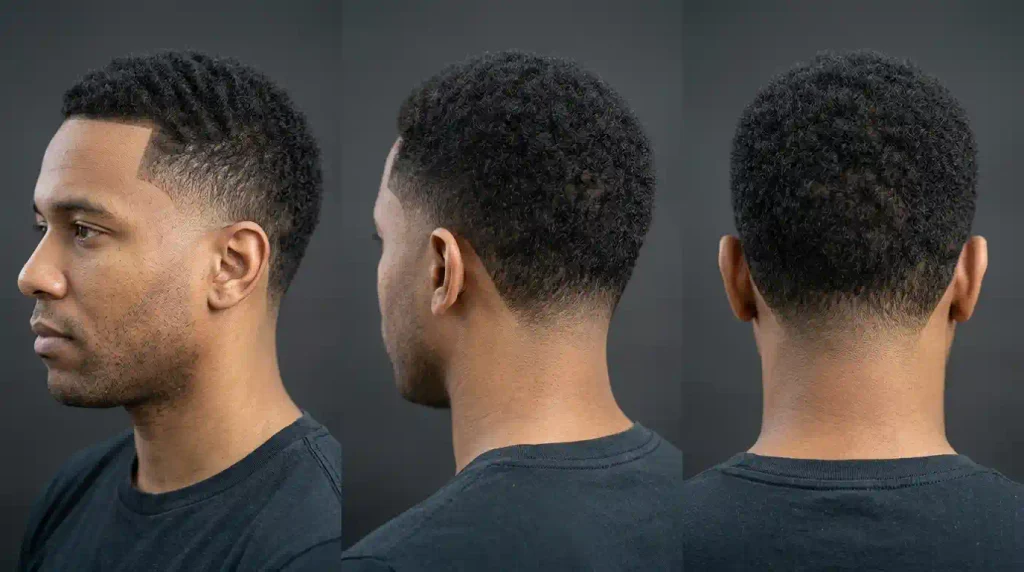
The best way to identify a true drop-shaped fade is to examine its outline from multiple angles.
A front-facing photograph alone rarely reveals the entire curved transition.
How to recognize the drop curve from the side
Look at the area immediately behind the ear.
In a drop taper, the transition should descend rather than continue at a relatively constant height.
The curve may be subtle or pronounced, depending on the fade placement.
A low drop remains near the lower side.
A mid or high drop begins higher but still dips behind the ear.
The transition should appear smooth, without an awkward corner where the curve changes direction.
How the fade sits behind the ear and across the nape
A drop-shaped fade normally follows a descending arc toward the back.
The shape should complement the natural rounded structure of the skull.
At the nape, the barber may blend the curve into a tapered neckline or continue a more extensive fade across the rear.
This detail distinguishes a conservative drop taper from a fuller drop fade.
The fade does not have to reach bare skin.
A guarded drop can show the same curved pattern while maintaining a darker, softer appearance.
What to check in a rear-view reference photo
A rear photograph reveals important details that a side view may hide.
First, examine whether both sides have reasonably symmetrical curves.
Next, look at the lowest point of the drop.
Check whether the neckline is natural, tapered, rounded, or blocked.
Finally, consider how much weight remains above the fade.
A well-executed drop should support the natural head shape without creating an awkward heavy ridge.
When gathering references, use a side photo and rear photo of the same haircut whenever possible.
How to Ask Your Barber for a Drop Taper
Clear communication helps prevent the most common problem with drop taper requests: receiving a conventional taper or full drop fade instead of the intended combination.
Describe the fade placement, curvature, shortest length, and neckline.
Specify the height, curve, and finish
Begin by stating whether you want a low, mid, or high drop taper.
Then explain how pronounced the descending curve should be.
If you prefer subtle styling, request a shallow drop that follows the head naturally.
If you want the curve to be clearly visible, ask for a more noticeable dip behind the ear.
Next, specify the shortest length.
A useful instruction is:
“I want a low drop taper with a gentle curve behind the ears. Keep the upper sides full, start with a short guarded finish instead of skin, and blend the fade smoothly into a natural tapered neckline.”
For a stronger version, you could request a mid drop taper with a skin finish and more visible contrast.
Explain how much length to keep at the top, sides, and nape
The barber needs to know which sections should remain long.
If you are growing the top, explain how much length you want preserved.
For a textured hairstyle, mention whether you want light layering or noticeable weight removal.
If you want a mullet, specify that the longer rear section should remain intact.
For a traditional style, ask for a clean nape taper.
Do not assume that asking for a drop automatically communicates your preferred back length.
A full drop fade and a conservative drop taper can leave very different amounts of hair around the nape.
Bring side and back reference photos
A side photograph demonstrates the height and curve of the fade.
A rear photograph shows how the transition continues behind the ears and across the neckline.
Choose photographs featuring similar hair texture and density whenever possible.
If your reference haircut has thick curls but your hair is fine and straight, the same cutting measurements may not create an identical silhouette.
Show your barber which details you want to copy and which should be adjusted.
It can also help to point out what you do not want, such as an excessively high fade or a blocked neckline.
Clarify the neckline, edge-up, and beard blend
Before the haircut begins, discuss the finishing details.
For the neckline, choose between a natural shape, a tapered finish, or a more defined outline.
For the forehead, specify whether you want a natural hairline or a sharper edge-up.
If you wear a beard, explain whether you want the sideburns blended into it.
The barber should also check any areas with uneven growth, scalp sensitivity, or previous razor bumps.
These details can change how the fade is executed and how comfortably it grows out.
How a Barber Cuts a Drop Taper
A drop taper requires more than simply changing clipper guards.
The barber must establish a curved guideline, maintain smooth blending, and preserve balance between both sides.
The exact technique depends on the desired height and finish.
Tools and clipper guards
Professional barbers typically use adjustable clippers, clipper guards, detail trimmers, scissors, combs, brushes, and sectioning clips.
A balding clipper, foil shaver, or razor may be used when creating a skin-level finish, depending on skin suitability.
The adjustable clipper lever helps refine the transition between guard lengths.
For example, the barber may use a short setting near the perimeter and progressively longer guards toward the upper sides.
Different clipper brands and blade configurations may produce different lengths, so numbers should not be treated as universally identical.
Scissors and clipper-over-comb techniques are useful for connecting the fade to the longer sections.
Establishing and matching the drop curve
The barber begins by examining the head shape and determining where the curve should descend.
The guideline is planned along the sides and behind the ears.
A low drop requires a relatively small curved transition.
A mid or high drop covers a larger area but should still maintain a smooth downward path toward the rear.
The barber must consider the natural skull contour and the amount of weight to preserve.
Matching both sides requires careful visual checking because head and ear shapes are rarely perfectly symmetrical.
The objective is visual balance, not forcing identical cutting movements onto two slightly different sides.
Setting guidelines and blending the fade
After establishing the shape, the barber creates the shortest guideline.
Additional lengths are introduced progressively above it.
The clipper is moved with controlled outward motions to soften the transition rather than cutting deeply into the longer hair.
Intermediate guards and lever adjustments help eliminate visible fade lines.
Near the rear curve, the barber follows the changing contour of the head.
This is important because a straight cutting motion can flatten the intended drop shape.
The blend should transition naturally from shorter hair at the perimeter to longer hair above.
No obvious steps or unintended dark bands should remain.
Shaping the top and checking the cut from multiple angles
Once the fade is blended, the barber shapes the top according to the requested style.
A French crop requires a defined fringe.
A quiff needs sufficient front length for lift.
A modern mullet requires preservation and shaping of the rear section.
The barber then checks the haircut from the side, front, and back.
A hand mirror can help the client inspect the neckline and drop curve before the appointment ends.
The haircut should look balanced both before and after styling products are applied.
Avoiding uneven curves, harsh lines, and excess weight removal
One common problem is creating a curve that drops too sharply behind the ear.
Instead of a smooth arc, the fade may appear to bend at an awkward angle.
Another mistake is removing excessive weight from the rear, leaving a narrow or flat-looking silhouette.
Poor guard transitions can also create dark bands that interrupt the fade.
To prevent these problems, the barber should establish a conservative guideline and gradually refine the shape.
The longer sections should be checked before additional hair is removed.
A controlled approach is particularly important when the client is transitioning from a regular taper to a drop-shaped haircut.
How Much Does a Drop Taper Cost, and How Long Does It Take?
The price of a drop taper haircut varies according to location, barbershop pricing, and the amount of detailed work involved.
In the United States, a broad illustrative budget is approximately $30 to $85 for a professional men’s haircut, with some shops charging less and premium or specialized services costing more.
The price should be confirmed directly with the barber because drop taper services are not priced uniformly.
How location and barber experience affect the price
Barbershops in larger metropolitan areas may charge more than smaller neighborhood shops.
Experienced barbers or highly specialized fade professionals may also have higher rates.
A simple low guarded drop taper may be included in a standard haircut service.
More elaborate work involving long textured hair, complex blending, or detailed finishing may require additional time.
A typical appointment might take approximately 30 to 45 minutes, although more involved services may take an hour or longer.
These figures are estimates rather than guaranteed prices or appointment times.
How skin finishes, designs, and beard work affect cost and appointment time
A skin-level drop taper may require additional blending and close-finishing work compared with a simple guarded taper.
Hair designs and hard parts can increase the appointment time because they require precise detailing.
Beard fades, line-ups, and extensive top styling may also be charged separately.
Some barbershops include basic edge work with every haircut, while others offer it as an additional service.
Before booking, ask whether the listed price includes the exact fade, beard trim, hair wash, and styling you want.
How to Style a Drop Taper
The faded sections of a drop taper generally require little daily styling.
Most styling effort goes into the top, fringe, or longer rear hair.
The best products and techniques depend on hair texture, desired volume, and preferred finish.
Preparing clean, damp hair
Begin by washing your hair according to your scalp and hair needs.
A suitable shampoo removes excess oil and styling buildup.
Conditioner can help maintain softness and manageability, especially for dry, curly, or coarse hair.
After washing, gently remove excess water with a towel.
For many styles, slightly damp hair is easier to shape than completely dry hair.
Avoid rubbing aggressively, particularly if the hair is curly or prone to frizz.
Before applying strong styling products, decide whether you want a smooth, textured, or voluminous appearance.
Using a pre-styler and blow-drying for shape
A pre-styler can help establish volume and direction before the final styling product is applied.
Lightweight volumizing sprays or creams may be useful for fine hair.
A blow dryer can create additional height at the roots.
For a quiff, direct the hair upward and backward.
For a fringe, dry the hair forward while controlling its natural movement.
For a slick back, direct the airflow toward the rear.
A round brush can help create lift, while a comb or vent brush may support a smoother result.
Use moderate heat and an appropriate heat protectant when needed, avoiding repeated high-temperature exposure that can contribute to heat damage.
Choosing products for texture, volume, shine, or flexible hold
| Styling Product | Suitable Hair or Style | Typical Result |
| Matte clay | Thick hair, textured crops | Defined texture with firm control |
| Matte paste | Messy fringe, casual quiff | Natural-looking separation |
| Styling cream | Waves, medium-length styles | Flexible control |
| Curl cream | Curly and coily tops | Curl definition |
| Pomade | Slick backs, side parts | Smooth, often shiny finish |
| Wax | Spiky or structured short hair | Flexible to firm hold |
| Gel | Defined structured hairstyles | Strong hold, variable shine |
| Styling powder | Fine hair needing lift | Lightweight root volume |
| Sea salt spray | Suitable straight or wavy textures | Tousled texture |
| Hairspray | Quiffs and pompadours | Helps maintain the finished shape |
Heavy products can make fine hair appear flatter, while stronger hold may help thick hair maintain a styled shape.
Choose the smallest effective amount of product and add more only when necessary.
Hair oils such as argan or jojoba oil may help some dry hair types feel more manageable, but they are not substitutes for conditioning and should be used sparingly.
Tea tree oil can irritate sensitive skin, particularly when undiluted, so it should not be treated as a necessary scalp-care step.
Styling curls while protecting their natural pattern
Curly and coily hair often looks best when its natural pattern is preserved.
After washing, apply leave-in conditioner or curl cream to damp hair.
Distribute the product gently without excessively separating the curls.
Scrunch or shape the longer sections according to the desired result.
Allow the hair to air-dry or use a diffuser on low heat.
Avoid repeated brushing after the curls have formed because it can create frizz and disrupt definition.
For tightly coiled hair, use an appropriate moisturizing routine and minimize unnecessary manipulation.
The curved taper should frame the natural texture rather than require constant restructuring of the top.
Drop Taper Maintenance and Grow-Out
A drop taper changes as the hair grows, particularly around the shortest section and neckline.
The maintenance schedule depends on the original contrast and how sharp you want the haircut to remain.
How often to get a trim
A skin-level drop taper may benefit from a touch-up approximately every one to two weeks when a consistently sharp appearance is the goal.
A mid drop taper with moderate contrast may remain tidy for around two to three weeks.
A soft low drop taper can often go approximately three to four weeks before the transition becomes noticeably fuller.
Individual hair growth rates and personal preferences vary.
Someone who prefers a freshly cut look may schedule appointments more often than someone comfortable with a softer grow-out.
The top hairstyle also matters.
A short crop may lose its shape sooner than a longer layered hairstyle that can accommodate additional growth.
How the cut changes as it grows out
The shortest area begins to regain visible coverage as hair grows.
A skin fade gradually changes into short stubble, reducing the difference between the lower and upper sections.
The descending curve becomes less sharply defined.
As the surrounding hair gains length, the sides may begin to look fuller.
For a drop taper with a pompadour or quiff, the extra top length may require more styling.
For a modern mullet, the rear section may become heavier and need reshaping.
A soft guarded drop taper generally becomes less defined gradually rather than changing abruptly.
Touching up the neckline and edges at home
Minor home grooming may help maintain the haircut between appointments, but recreating the drop curve is difficult without experience.
A small detail trimmer can be useful for removing isolated stray hairs outside the established neckline.
However, cutting into the actual fade risks creating new guidelines or making the curved shape uneven.
If you cannot clearly see the area, avoid attempting major corrections.
Use a hand mirror and adequate lighting when checking the neckline.
Clean grooming tools before and after use, and avoid pressing aggressively into the skin.
For significant fading or blending work, a professional barber is usually the safer choice.
Caring for the scalp and preventing irritation
A clean scalp supports comfortable grooming, particularly when the haircut includes closely cut sections.
Use a gentle shampoo appropriate for your hair and scalp.
Conditioner can help prevent dryness in longer sections.
If the scalp becomes dry, a lightweight, suitable moisturizer may be helpful.
Heavy scalp oils are not automatically beneficial and may contribute to buildup for some people.
Very close cutting can also contribute to irritation or ingrown hairs.
The American Academy of Dermatology’s guide to preventing razor bumps provides dermatologist-reviewed guidance on safer shaving practices.
If you frequently experience painful bumps, ask the barber for a longer clipper finish instead of repeated skin-close shaving.
Persistent inflammation or suspected infection should be evaluated by a healthcare professional.
Corrections and Grow-Out Options
Not every drop taper looks exactly as expected after the first cut.
Some issues can be corrected immediately through additional blending, while others require time for the hair to grow.
Understanding the difference can prevent unnecessary additional cutting.
What to do if the drop is cut too high
A fade that has been cut too high cannot be lowered immediately because the removed hair cannot be restored.
The barber may be able to improve the surrounding blend and make the overall shape look more balanced.
However, cutting more hair from the upper sides can make the problem worse.
If the drop is substantially higher than requested, preserving the remaining length is often the most practical approach.
As the hair grows, the barber can gradually reestablish a lower fade placement.
The time required depends on the original height and desired replacement style.
What to do if the curve is uneven
A slightly uneven drop curve may be corrected during the same appointment.
The barber can compare both sides and refine the higher or lower transition if enough hair remains.
However, simply raising the lower side to match the higher side may create a fade that is more aggressive than originally requested.
Before agreeing to more cutting, examine the haircut from the back and both sides.
Some asymmetry is normal because the head and ears are not perfectly identical.
The goal should be visual balance rather than mathematical uniformity.
When a barber can correct the shape during the appointment
Minor issues such as visible guard lines, excess weight above the fade, or stray hairs can often be corrected immediately.
A skilled barber may use additional clipper-over-comb work or intermediate guard settings to improve the blend.
A slightly harsh neckline can sometimes be softened.
However, major problems caused by excessive hair removal cannot be fully corrected through additional cutting.
Explain exactly which area concerns you before the barber makes changes.
A clear, specific request is more useful than simply saying the haircut looks wrong.
How to manage the grow-out if the cut needs time to reset
If the fade is too high or too short, allow the affected sections to regain length.
During this period, ask your barber to preserve the growing areas while maintaining the top and neckline.
Avoid repeatedly cutting the same sections back to their original short length.
A low taper or longer scissor-cut style may become possible once enough hair has grown.
For people exploring a significantly different transition pattern, a reverse taper haircut represents a separate styling concept rather than a direct correction for a misplaced drop.
The most practical grow-out plan depends on the starting haircut and the desired final shape.
Photographs taken every few weeks can help the barber assess the progress.
Common Drop Taper Mistakes
A successful drop taper depends on proportion, precise blending, and realistic expectations.
Many disappointing results come from unclear instructions or choosing a style that does not suit the wearer’s hair characteristics.
Choosing the wrong height or drop depth
A high drop can create a dramatic appearance, but it may remove more side coverage than intended.
A very deep drop may create excessive weight near the back if the upper sections are not blended appropriately.
A low, shallow curve generally provides the most conservative result.
Before cutting begins, ask the barber where the shortest line will sit.
If possible, compare a low and mid reference photograph.
Choosing conservatively is useful because the fade can be taken higher during the appointment, but it cannot be lowered immediately.
Taking too much weight from the sides
Removing excessive weight can make the upper head appear narrow or disconnected.
This is particularly noticeable with thick curls, pompadours, and longer hairstyles.
The barber should preserve enough hair above the fade to support the intended silhouette.
Fine hair requires additional caution because heavy thinning can reduce the appearance of density.
A controlled blend usually looks better than unnecessary removal of surrounding hair.
Over-sharpening the hairline
A line-up can complement a drop taper, but excessive edge work may create an artificial hairline.
Repeatedly cutting behind the natural edge can make the forehead appear larger or emphasize uneven density.
For receding hairlines, a softer natural finish may be more flattering.
A sharp outline should follow the wearer’s existing growth pattern whenever possible.
The barber should also avoid aggressive razor work on irritated skin.
Using the wrong styling products
Even a technically excellent haircut can look unbalanced when the top is styled incorrectly.
Heavy pomade may flatten fine hair.
Too much matte clay can make thick hair appear stiff.
Excessive salt spray can increase dryness in some hair types.
Strong gels may create unwanted clumping when a soft textured look is desired.
Choose styling products based on hair texture, density, and the desired amount of hold.
Start with a small amount and adjust gradually.
Cutting the curve unevenly
An uneven drop curve is one of the most noticeable technical errors.
If one side descends much lower than the other, the haircut may look unbalanced from behind.
The barber must also avoid creating sudden corners where the curve changes direction.
Consistent lighting, careful sectioning, and regular mirror checks help maintain visual balance.
The final shape should follow the head naturally rather than appearing like two unrelated fade patterns.
Frequently Asked Questions
What is a drop taper haircut?
A drop taper haircut combines gradual tapered blending with a fade curve that descends behind the ears and follows the head shape.
Is a drop taper the same as a drop fade?
No, a drop taper usually preserves more hair and uses a softer transition, while a full drop fade generally covers more of the sides and back.
Is a low drop taper better than a mid drop taper?
A low drop is more subtle, while a mid drop creates stronger definition; the better choice depends on your hair and preferred appearance.
Does a drop taper work with curly hair?
Yes, a drop taper works well with curls because it reduces lower-side bulk while preserving natural volume above.
Can you get a drop taper with straight hair?
Yes, straight hair can support a clean drop taper, especially when paired with a textured crop, quiff, or side part.
How long does a drop taper last?
A drop taper often remains visibly neat for about one to three weeks, with softer guarded versions sometimes looking tidy longer.
How often should you get a drop taper?
Many people schedule maintenance every two to four weeks, while sharp skin-level finishes may need more frequent touch-ups.
Is a drop taper good for round faces?
Yes, a drop taper combined with controlled height on top can create a more elongated visual balance for a round face.
Is a drop taper suitable for professional settings?
Yes, a low guarded drop taper with a neat top and natural neckline can suit many professional workplaces.
Can you combine a drop taper with a mullet?
Yes, a drop taper can complement a modern mullet when the barber preserves enough rear length to maintain the hairstyle’s shape.
Does a drop taper work with a beard?
Yes, the sideburns can be blended gradually into a short or full beard for a connected appearance.
Is a skin drop taper better than a guarded drop taper?
Neither is universally better; skin finishes provide sharper contrast, while guarded finishes offer more coverage and often softer grow-out.
Can a barber fix an uneven drop taper?
Minor uneven blending can often be corrected, but a fade cut too high may require hair growth before it can be fully reshaped.
What should I tell my barber for a low drop taper?
Ask for a low, curved fade descending behind the ears, specify the shortest guard length, and explain your preferred top and neckline.
What photos should I show my barber?
Show side and rear photographs of the same haircut so the barber can see the fade height, drop curve, and nape finish.
Final Thoughts
The drop taper haircut offers a versatile combination of gradual fading, a distinctive curved transition, and customizable styling. Unlike a regular taper, its fade shape descends behind the ears, creating a sculpted silhouette that follows the natural contours of the head.
A low drop taper provides a subtle, professional appearance, while mid, high, and skin-level versions offer greater contrast. The haircut can complement textured crops, curly hair, waves, afros, quiffs, mullets, beards, and many other hairstyles.
For the best result, choose your fade height, shortest cutting length, top style, and neckline before visiting the barber. Bring clear reference photographs and communicate your preferences.
Explore more haircut inspiration, fade comparisons, and grooming guides at Taper Haircut Hub to find the right style for your next appointment.
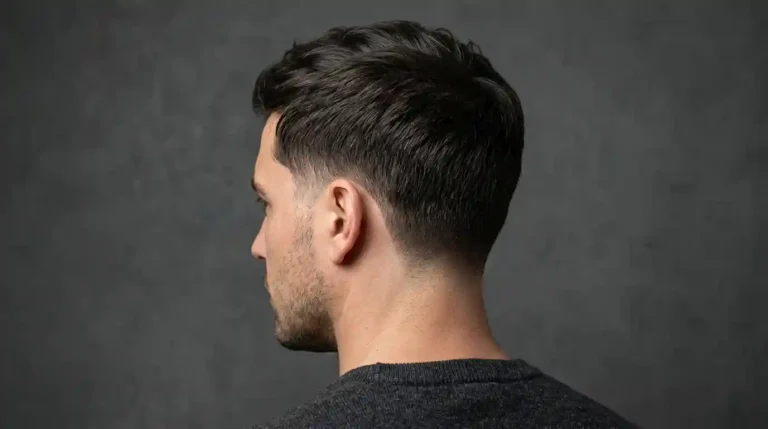
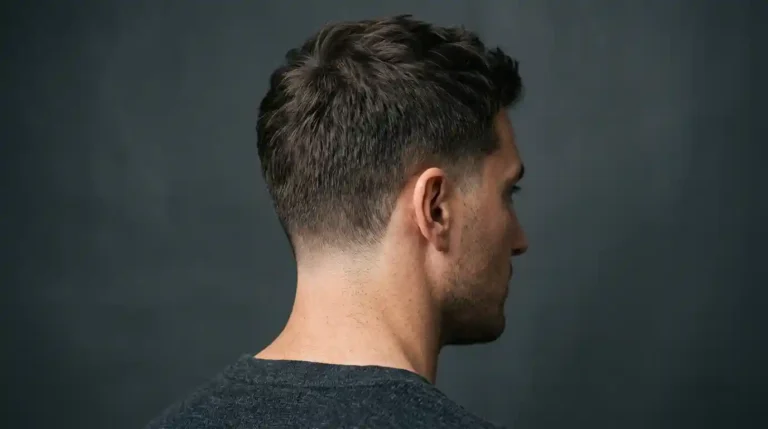

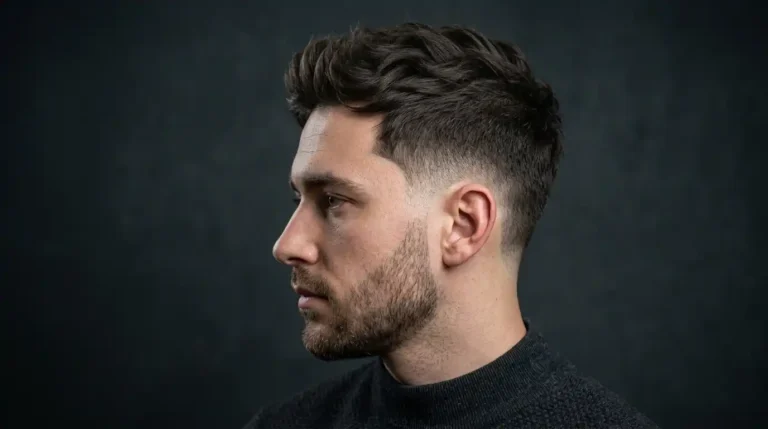
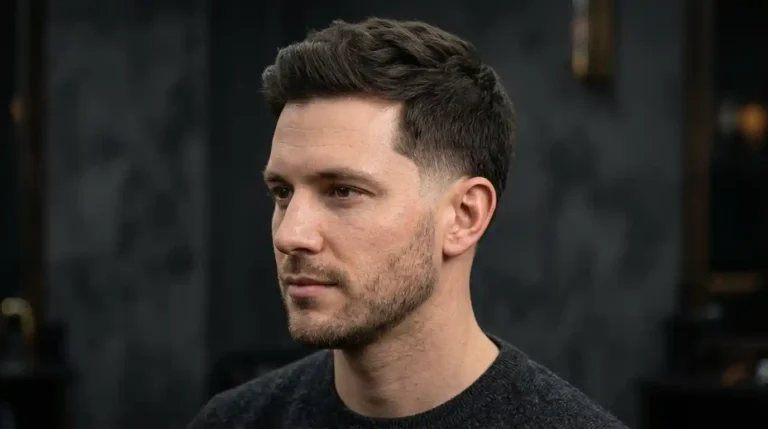
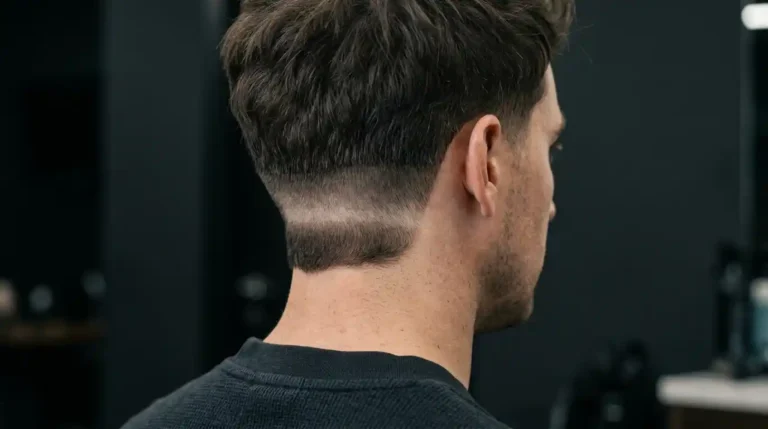
4 Comments